As the construction industry evolves, many seek sustainable solutions. One pressing question is, "what is the eco-friendly alternative to traditional stone cladding?" Renowned sustainability expert, Dr. Emily Green, states, "Using biodegradable materials not only reduces waste but also enhances building aesthetics."
Alternative materials to traditional stone cladding include bamboo, reclaimed wood, and many composite options. These alternatives often provide similar visual appeal while reducing the carbon footprint. For instance, bamboo grows quickly and can be harvested sustainably, making it a viable choice for eco-conscious builders.
Yet, some alternatives may not yet match the durability of traditional stone. This raises concerns about longevity and maintenance. The industry is still figuring out how to balance aesthetics, durability, and sustainability. Adopting eco-friendly materials requires a commitment to research and innovation. The quest for the best options continues as environmental awareness grows.
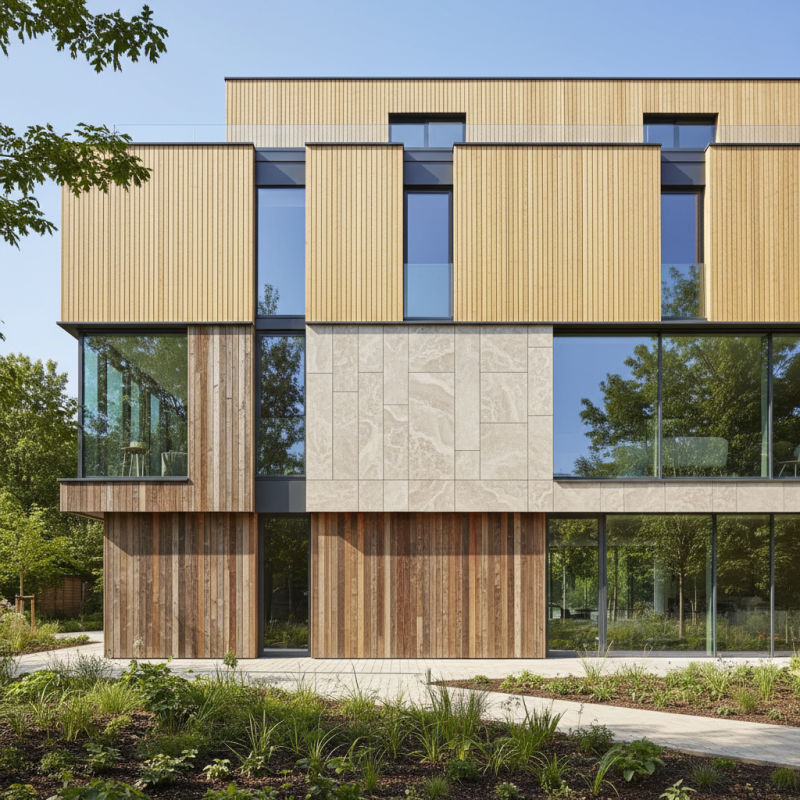
Eco-Friendly Materials for Sustainable Stone Cladding Alternatives
As the demand for sustainable construction grows, eco-friendly materials for stone cladding are becoming increasingly popular. Resources like reclaimed wood, recycled metals, and synthetic stones offer innovative alternatives. According to a 2021 report by the World Green Building Council, green building materials can reduce carbon footprints by up to 40%.
One of the best substitutes is manufactured stone veneer. It utilizes natural materials and can be produced using 80% recycled content. Additionally, bamboo is emerging as a viable option. Its rapid growth rate makes bamboo a renewable resource. Research indicates that bamboo cladding can lower energy consumption in buildings by up to 30%.
Tip: When selecting materials, consider sourcing locally to reduce transportation emissions.
Specialized concrete mixes also present a sustainable option. They can mimic the appearance of natural stone while using less energy in production. Be cautious, though. Not all eco-friendly materials perform equally in terms of durability.
Tip: Research the lifespan and maintenance needs before making a commitment.
Being aware of production processes is crucial. Some alternatives may still have a significant environmental impact. Awareness of this balance can inform your choices. Choose wisely to achieve both aesthetic and sustainability goals.
Recycled Materials: A New Age in Cladding Solutions
The use of recycled materials in cladding solutions reflects a significant shift in modern construction. Over 80% of companies in the building industry are actively pursuing sustainable practices, according to recent industry reports. Recycled options reduce waste and minimize the environmental impact associated with traditional materials. By utilizing products made from reclaimed resources, builders can contribute to a circular economy while meeting aesthetic demands.
In the realm of stone cladding, recycled materials serve not just as a sustainable alternative, but as a viable option for durability and design. Many options mimic the appearance of natural stone. This allows for the maintenance of traditional aesthetics with improved environmental performance. Reports show that up to 40% of stone production results in waste. Choosing recycled alternatives can mitigate this waste significantly.
However, challenges remain. The quality of recycled materials can vary. Not all recycled stones guarantee the same structural integrity as their natural counterparts. Some products might require additional treatment to ensure longevity. Builders and architects must carefully assess options to ensure reliability and performance. This new age in cladding solutions demands a balanced consideration of both environmental benefits and material quality.
Natural Fiber Composites: Durable and Eco-Conscious Choices
Natural fiber composites are gaining traction as eco-friendly alternatives to traditional stone cladding. These materials combine natural fibers like bamboo or hemp with resins to create durable panels for building exteriors. Research indicates that these composites can reduce carbon footprints by up to 50% compared to conventional stone options. Their lightweight nature also lowers transportation emissions, leading to a more sustainable choice in construction.
The durability of natural fiber composites is noteworthy. They resist weathering and UV degradation, making them suitable for diverse climates. However, the long-term performance of these materials remains an area for study. Their longevity and resistance to pests are still being evaluated, albeit initial findings are promising. According to a report by the Global Alliance for Sustainable Energy, fiber composites can last at least 20 years with proper maintenance, but understanding their full environmental impact requires ongoing research.
Design flexibility is another significant advantage. Natural fiber composites can be molded into various shapes and textures. This opens up creative possibilities for architects and designers. Yet, balancing aesthetic appeal with sustainability can present challenges. These choices must meet both visual and environmental standards, pushing the industry to innovate. The path ahead for natural fiber composites is full of potential, but it is essential to continue refining their production processes and applications.
2026 Best Eco Friendly Alternatives to Traditional Stone Cladding
| Material Type |
Durability |
Sustainability |
Maintenance |
Cost (per sq. ft.) |
Aesthetic Appeal |
| Bamboo Composite |
High |
Very Sustainable |
Low |
$8 - $12 |
Natural Look |
| Recycled Plastic |
Medium |
High |
Moderate |
$6 - $10 |
Contemporary |
| Hempcrete |
Medium |
Very Sustainable |
High |
$10 - $14 |
Unique Texture |
| Cork Panels |
High |
Sustainable |
Low |
$7 - $11 |
Warm and Inviting |
| Wood Fiber Cement |
High |
Sustainable |
Moderate |
$9 - $13 |
Modern Appeal |
Innovative Plant-Based Options for Exterior Cladding
In recent years, the demand for eco-friendly building materials has surged. Among these, plant-based options for exterior cladding stand out as innovative solutions. They offer a sustainable alternative to traditional stone cladding, which often has a high carbon footprint. Utilizing materials derived from natural resources can significantly reduce environmental impact while enhancing aesthetic appeal.
One option to explore is hemp-based cladding. Hemp fibers are both strong and lightweight. They can be processed into a durable material that withstands harsh weather. Additionally, this plant grows quickly and requires minimal resources, making it an excellent choice. Another promising material is bamboo. Known for its rapid growth, bamboo is a renewable resource that can be transformed into various design options. Its natural resistance to pests can reduce the need for chemical treatments.
However, the market for these materials is not without challenges. Availability and cost can vary widely. Eco-friendly alternatives sometimes require more research and education for builders and homeowners alike. Understanding the benefits and limitations of these materials is vital. It ensures that the chosen cladding not only looks great but also meets longevity and sustainability goals.
The Role of Energy Efficiency in Eco-Friendly Cladding Solutions
The demand for eco-friendly cladding solutions is growing. With building sector emissions accounting for 40% of global energy use, energy efficiency in materials is crucial. Traditional stone cladding can be heavy and resource-intensive. Innovative alternatives, like fiber cement or reclaimed wood, are gaining traction due to their lower environmental impact. According to a report by the International Energy Agency, using energy-efficient materials can reduce overall energy consumption in buildings by up to 50%.
Energy-efficient cladding solutions not only improve insulation but also decrease energy costs. A well-insulated building can save up to 30% on heating and cooling bills. Additionally, these options often provide better moisture control, preventing mold and structural damage. Local sourcing of materials can enhance energy efficiency, as transportation impacts sustainability. Building owners are encouraged to consider lifecycle assessments when choosing cladding materials.
Here’s a tip: always analyze thermal performance ratings when selecting cladding materials. They provide insight into energy efficiency. Look for reflective or dark color options based on your local climate. These can optimize heat absorption and contribute to energy savings. Embracing eco-friendly alternatives can lead to long-term value and sustainability in construction.
Energy Efficiency Ratings of Eco-Friendly Cladding Materials
Conclusion
In recent years, there has been a growing interest in sustainable building materials, leading many to seek out what is the eco-friendly alternative to traditional stone cladding. The evolution of cladding solutions now features eco-friendly materials such as recycled resources, which minimize waste and reduce environmental impact. Additionally, natural fiber composites offer durable and environmentally conscious choices that not only provide aesthetic appeal but also support sustainability goals.
Moreover, innovative plant-based options are emerging, showcasing the potential of using organic materials for exterior cladding. These solutions prioritize energy efficiency, significantly enhancing overall building performance. By embracing these alternatives, builders and homeowners can contribute to a more sustainable future while still achieving the desired look and feel of traditional stone cladding.

 Haven Decoration