When considering "what is the best material for coastal outdoor wall cladding," experts often emphasize durability and aesthetics. According to Dr. Emily Larson, a leading materials scientist, “The right cladding can transform coastal homes against harsh weather.” This statement highlights the critical role of material choice, especially in coastal regions.
Coastal environments pose unique challenges. High humidity, salt exposure, and strong winds affect the longevity of building materials. For instance, many homeowners opt for cladding that not only looks good but can withstand the elements. Materials like fiber cement and natural stone are often evaluated for their resistance to corrosion and wear.
However, the perfect solution may not exist. Each material comes with trade-offs. While wood offers warmth, it might succumb to rot. Vinyl is low-maintenance but may fade over time. Ultimately, determining "what is the best material for coastal outdoor wall cladding" requires careful consideration of environmental factors and personal preferences. Planning for the long term is crucial in achieving both durability and visual appeal.
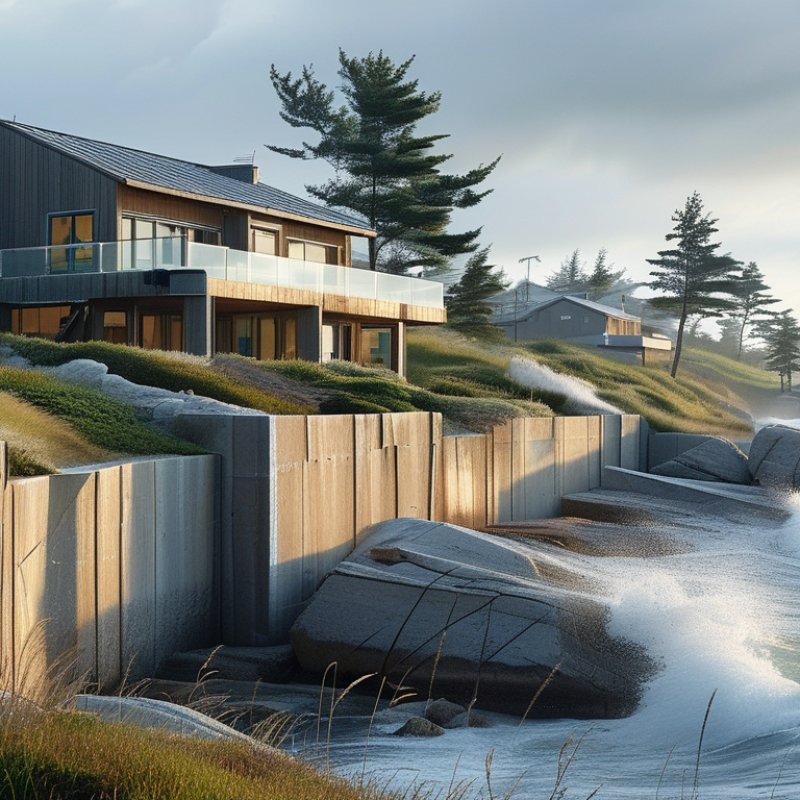
Overview of Coastal Outdoor Wall Cladding Materials
When considering materials for coastal outdoor wall cladding, durability is crucial. Coastal environments are harsh, with salt, moisture, and wind. These elements can damage traditional materials quickly. Choosing the right cladding can significantly impact the wall's lifespan.
Wood is a popular choice, but it requires regular maintenance. Without proper care, it can warp or rot. Fiberglass-reinforced composites offer an alternative. They resist moisture and do not require painting. However, some people find them less aesthetically pleasing. Stone is sturdy but can be heavy and expensive, which may not suit every project.
Metal options, like aluminum or steel, provide strength and modern appeal. However, they can corrode without a protective coating. Each material has strengths and weaknesses. Assess your specific environment carefully. A thorough understanding of local conditions can lead to better decisions. Consider both aesthetics and practicality when designing your coastal space.
What is the Best Material for Coastal Outdoor Wall Cladding?
Key Properties Required for Coastal Environments
When selecting materials for coastal outdoor wall cladding, several key properties are crucial. Resistance to corrosion is paramount.
Coastal environments expose materials to high levels of saltwater and humidity. According to the "Coastal Building Material Report,"
products with high salt resistance can last significantly longer, reducing maintenance costs by up to 30%.
Additionally, durability against harsh weather conditions is essential. Materials should withstand strong winds and heavy rains
frequently found in coastal regions. A study from the National Oceanic and Atmospheric Administration (NOAA) indicates that
structures in coastal areas face winds exceeding 100 mph. Therefore, materials should be tested for wind load ratings to ensure
safety and longevity.
Thermal performance is another consideration. The fluctuating temperatures near coastlines can affect material integrity over time.
Investing in materials with excellent thermal properties can enhance energy efficiency. Opting for materials that help maintain
indoor temperatures can reduce energy consumption by 20% in coastal homes. Challenging environments demand thoughtful material choices,
testing their performance in real-world conditions, and sometimes reconsideration of common choices.
Comparison of Common Materials: Wood, Metal, and Composite
Choosing the right material for coastal outdoor wall cladding is vital for durability and aesthetics.
Wood is often chosen for its natural beauty. However, it requires regular maintenance due to moisture and salt exposure. Over time, wood can warp or rot, especially in humid environments.
Metal, like aluminum or steel, offers great resistance to corrosion. Its sleek appearance adds a modern touch.
However, metal can get hot in the sun and might dent if impacted. It's important to weigh the pros and cons of each material before making a decision.
When selecting the right cladding, think about environmental factors. Consider how much direct sunlight and moisture your walls will face. Choose materials that align with your maintenance preferences.
Many homeowners appreciate composites, which blend materials for durability and low upkeep. These can mimic wood but offer higher resistance to the elements.
Be mindful of your local climate. Coastal areas can vary in humidity and temperature. This factor plays a big role in material longevity. Think about what makes sense for your specific location. Investing time in research can lead to better choices. Always aim for a balance between aesthetics and practicality.
Durability and Maintenance Considerations for Coastal Cladding
When selecting materials for coastal outdoor wall cladding, durability is key. High humidity and salt exposure can wear down structures quickly. Therefore, choosing resilient materials is crucial. Wood may look beautiful initially but can warp and decay over time. Metal options may rust unless treated properly. Stone and fiber cement are often more reliable, as they withstand harsh conditions better.
Consider maintenance practices to prolong the lifespan of your cladding. Regular inspections can identify issues early. Clean the surfaces to remove salt deposits and prevent corrosion. Some materials may require periodic sealing to maintain their protective qualities.
One important aspect is the local climate, which can influence longevity. In coastal areas with significant wind and moisture, ensure that the chosen material has proven performance. Sometimes, even a small mistake in installation or selection can lead to larger problems. Reflect on past projects to learn from any missteps in your material choice or maintenance routines.
Aesthetic Choices and Design Trends for Coastal Wall Cladding
Coastal outdoor wall cladding is both functional and aesthetic. Choosing the right materials impacts durability and style. Natural materials like wood and stone offer rustic charm. They blend well with coastal landscapes, creating a seamless transition from nature to architecture. In contrast, modern synthetic options provide resistance to harsh weather. These alternatives often come in various designs and colors, appealing to diverse tastes.
Recent industry reports indicate that homeowners increasingly favor eco-friendly materials. About 45% of new builds use sustainable cladding options. This is due to rising awareness of environmental impact. People now seek materials that withstand saline air and high humidity. Fiber cement boards and vinyl siding are becoming popular for their low maintenance. However, it's crucial to ensure these materials do not compromise the authentic coastal aesthetic.
Design trends illustrate a shift toward softer colors and organic textures. Pastels evoke the serene coastal environment, while textured finishes mimic natural surfaces. Many architects recommend mixing materials to enhance visual interest. However, choosing contrasting textures can be challenging. It requires a balanced approach to avoid overwhelming the structure. This reflective practice ensures that the cladding meets both functional and aesthetic needs.
What is the Best Material for Coastal Outdoor Wall Cladding? - Aesthetic Choices and Design Trends for Coastal Wall Cladding
| Material |
Durability |
Water Resistance |
Aesthetic Appeal |
Cost (per sq ft) |
| Fiber Cement |
High |
Excellent |
Versatile |
$7 - $10 |
| Vinyl |
Moderate |
Good |
Variety of Colors |
$3 - $5 |
| Natural Wood |
Low to Moderate |
Variable |
Warm & Aesthetic |
$5 - $15 |
| Stone |
Very High |
Excellent |
Natural Beauty |
$15 - $30 |
| Composite |
High |
Good |
Modern Look |
$6 - $12 |
FAQS
: Durability is essential due to high humidity and salt exposure.
Wood is valued for its natural beauty but requires regular maintenance.
Metal can get hot and may dent if impacted, despite its resistance to corrosion.
Consider direct sunlight and moisture levels in your climate when choosing materials.
Composites offer durability, low upkeep, and can imitate wood's appearance.
Regular inspections and cleaning can identify issues early and prevent deterioration.
Climate influences material longevity, especially in coastal areas with wind and moisture.
A small error in material choice or installation can lead to significant future problems.
Regular cleaning helps remove salt deposits and prevent issues like corrosion.
Aim for a mix of aesthetics and practicality to suit your location’s needs.
Conclusion
When considering what is the best material for coastal outdoor wall cladding, it is essential to understand the unique challenges posed by coastal environments. Materials must withstand harsh conditions such as high humidity, salt exposure, and intense UV radiation. In the overview of coastal outdoor wall cladding materials, options like wood, metal, and composite are explored, each with distinct benefits and drawbacks.
Key properties required for coastal environments include resistance to corrosion, rot, and UV degradation, heavily influencing the choice of materials. A comparison of wood, metal, and composite highlights how each material performs in terms of durability and maintenance. Furthermore, aesthetic choices and design trends reflect the need for a balance between functionality and visual appeal, ensuring that coastal wall cladding is both enduring and attractive. Ultimately, the best material for coastal outdoor wall cladding will depend on individual preferences, environmental considerations, and maintenance commitments.

 Haven Decoration