Choosing the right material for coastal outdoor wall cladding is crucial for durability and aesthetics. According to the Coastal Building materials report by the National Association of Home Builders, over 75% of homes near the coast face severe weather conditions. Thus, selecting resistant materials is imperative.
John Smith, a materials engineer at Coastal Solutions, stated, "The best material for coastal outdoor wall cladding must withstand salt, wind, and moisture." This insight emphasizes the need for specialized materials to combat coastal challenges effectively. Common options include fiber cement, PVC, and treated wood. Each has unique benefits and drawbacks.
However, not all materials are created equal. Some may require more maintenance than others. For instance, while treated wood offers a natural look, it can fall short in longevity when exposed to harsh sea air. Exploring various materials helps homeowners determine what is best for their specific needs. Understanding what is the best material for coastal outdoor wall cladding can lead to better investment decisions.
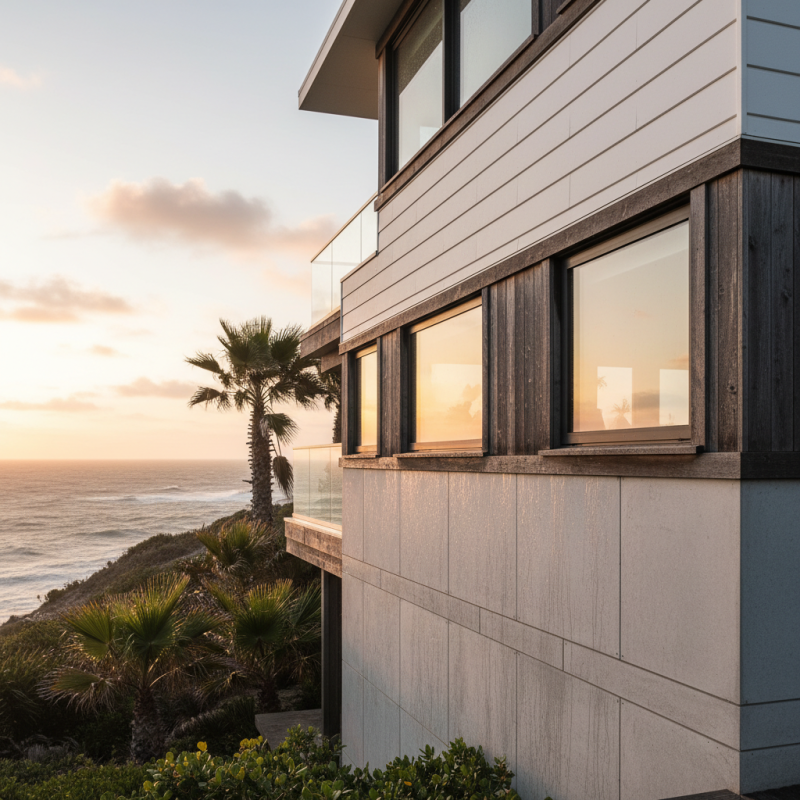
Understanding Coastal Outdoor Wall Cladding: Importance and Benefits
When considering coastal outdoor wall cladding, it's essential to understand its importance. Coastal environments are tough on materials due to high moisture, salt, and wind. This exposure can damage inadequately chosen cladding. Thus, selecting the right materials can protect your home from harsh conditions. It also enhances the aesthetic appeal of your property, reflecting the natural beauty of the coastal surroundings.
Choosing cladding that can withstand these elements is crucial. Look for materials that resist corrosion and mold. Wood may look beautiful, but it requires regular maintenance in coastal areas. Opt for alternatives like fiber cement or metal, which offer durability. These materials withstand the elements better and often require less upkeep.
Tips: Always consider the installation process. Proper installation can greatly enhance longevity. Ensure that drainage systems are in place to prevent water accumulation. Paying attention to detail here can save future headaches. Choose colors and textures that harmonize with your landscape while remaining practical. This creates a beautiful yet functional exterior for your coastal home.
Key Factors to Consider When Choosing Materials for Coastal Environments
When selecting materials for coastal outdoor wall cladding, several critical factors should be considered. Durability is paramount in these environments. Materials must resist harsh weather, including salt spray and strong winds. Options like fiber cement and stone are known for their resilience. However, even these can degrade over time if not properly maintained.
Another important factor is aesthetics. Coastal areas have unique beauty, so cladding should complement the landscape. Natural colors and textures often work best. But it's easy to overlook how different materials age. A rustic wood finish may initially seem appealing but could require more upkeep than anticipated.
Cost is also a crucial consideration. While some materials are initially cheaper, their long-term maintenance needs can add up. This reality often leads to regret when homeowners must replace cladding sooner than expected. Thoughtful planning can help mitigate these issues. Nevertheless, it’s essential to continue researching and reflect on choices, keeping in mind that imperfections in any material can lead to challenges down the line.
2026 Best Materials for Coastal Outdoor Wall Cladding Options
| Material Type |
Durability |
Maintenance |
Resistance to Saltwater |
Aesthetic Appeal |
Cost (per sqft) |
| Fiber Cement |
High |
Low |
Excellent |
Versatile |
$3-5 |
| Vinyl |
Moderate |
Very Low |
Good |
Limited |
$2-4 |
| Wood (Treated) |
Moderate |
Medium |
Fair |
Natural |
$5-10 |
| Metal (Aluminum) |
Very High |
Low |
Excellent |
Modern |
$7-12 |
| Brick |
High |
Low |
Good |
Classic |
$8-15 |
Top 2026 Materials for Coastal Wall Cladding: Durability and Aesthetics
When selecting materials for coastal outdoor wall cladding, durability and aesthetics are critical. The harsh coastal environment demands resilience against moisture and salt.
Materials like fiber cement have gained popularity. This composite offers a rugged surface that resists rot and pests. Its versatility allows for various design styles, suiting modern or traditional aesthetics.
Another favorable option is natural stone. This timeless material can withstand extreme weather conditions. Granite and limestone are prime choices. They provide breathtaking visuals while ensuring long-lasting performance. However, their installation can be more labor-intensive and costlier than other alternatives.
Wood is also frequently considered for coastal designs. Treated or naturally durable woods like cedar or redwood offer warmth and beauty. Yet, wood requires regular maintenance and can absorb moisture, leading to potential issues. A careful balance between aesthetics and practicality must be maintained. Each choice involves trade-offs, and reflecting on these can help you choose wisely.
Environmental Impact and Sustainability of Coastal Wall Cladding Options
When considering coastal outdoor wall cladding, the environmental impact and sustainability of materials are of utmost importance. A 2020 report by the Global Sustainability Forum highlighted that coastal areas face unique challenges, such as saltwater corrosion and extreme weather. These factors necessitate selecting cladding materials that not only withstand these conditions but also minimize environmental footprints.
Recycled materials, like recycled metal and plastic composites, serve as excellent choices. According to the Sustainable Building Institute, using recycled composites can reduce energy consumption by up to 70%. Additionally, these materials often require less maintenance, thereby decreasing the frequency of replacements and the environmental load. Notably, natural options like timber have benefits but can encourage deforestation if not sourced responsibly.
However, traditional materials like concrete and brick can have a significant carbon footprint, contributing to greenhouse gas emissions. A study by the Eco-Building Network found that such materials account for about 8% of global emissions. The challenge lies in balancing durability and ecological responsibility, urging builders to rethink their choices. Choices matter.
Maintenance and Care for Coastal Outdoor Wall Cladding Materials
When choosing materials for coastal outdoor wall cladding, maintenance is crucial. Coastal environments present unique challenges. High humidity, salt spray, and temperature changes can degrade materials. According to industry reports, about 60% of homeowners encounter some form of maintenance issue within the first few years. Regular upkeep can mitigate these problems.
Certain materials require more attention than others. For instance, wood cladding needs yearly treatments to prevent rot and insect damage. Even with high-quality sealants, wood's natural vulnerabilities persist. Alternatively, fiber cement offers better weather resistance but still demands cleaning every six months. It isn't impervious to mold in humid climates, so vigilance is needed.
Durability plays a role in maintenance needs. Vinyl cladding, while low-maintenance, can fade and crack over time. A report by the National Association of Home Builders indicates that 20% of homeowners report fading issues within ten years. Evaluating these details helps in selecting the right material for long-term durability and minimal upkeep in coastal settings. Consider the balance between aesthetics and the necessary commitment to care.
Conclusion
When considering what is the best material for coastal outdoor wall cladding, it's essential to understand the unique challenges posed by coastal environments. Factors such as exposure to saltwater, wind, and humidity significantly influence material selection. The 2026 options highlight the importance of durability and aesthetics, with a focus on materials that can withstand harsh conditions while enhancing the visual appeal of coastal properties.
Additionally, the environmental impact and sustainability of chosen materials cannot be overlooked. Sustainable practices in sourcing and maintenance contribute to the longevity and performance of wall cladding options. Regular care is necessary to ensure that coastal outdoor wall cladding remains functional and attractive over time, making it imperative to choose wisely for both immediate and future needs.

 Haven Decoration