2026 Best Tips for Removing Mold from Outdoor Composite Surfaces?

Time:2026-06-16 Author:Sienna
0%

Mold can quickly become a nuisance on outdoor composite surfaces. Homeowners often find it challenging to maintain the aesthetics and health of their outdoor spaces. Knowing how to remove mold from outdoor composite surfaces is essential for every homeowner. Mold not only looks unsightly, but it can also affect the longevity of your composite materials.

In 2026, experts emphasize the need for effective methods to tackle this problem. Many DIY solutions exist, but understanding their effectiveness is crucial. Using the wrong method may cause more harm than good. Therefore, recognizing the signs of mold, knowing the suitable cleaning agents, and applying correct techniques can make a significant difference.

Mold thrives in humid conditions, especially on surfaces like decking or furniture. Regular cleaning is important but often overlooked. Simple tasks like rinsing with water can help. However, when mold appears, it indicates a need for further action. This guide will highlight the best strategies to ensure your outdoor composite surfaces remain clean and mold-free. Taking these steps can enhance the durability and appearance of your outdoor spaces.
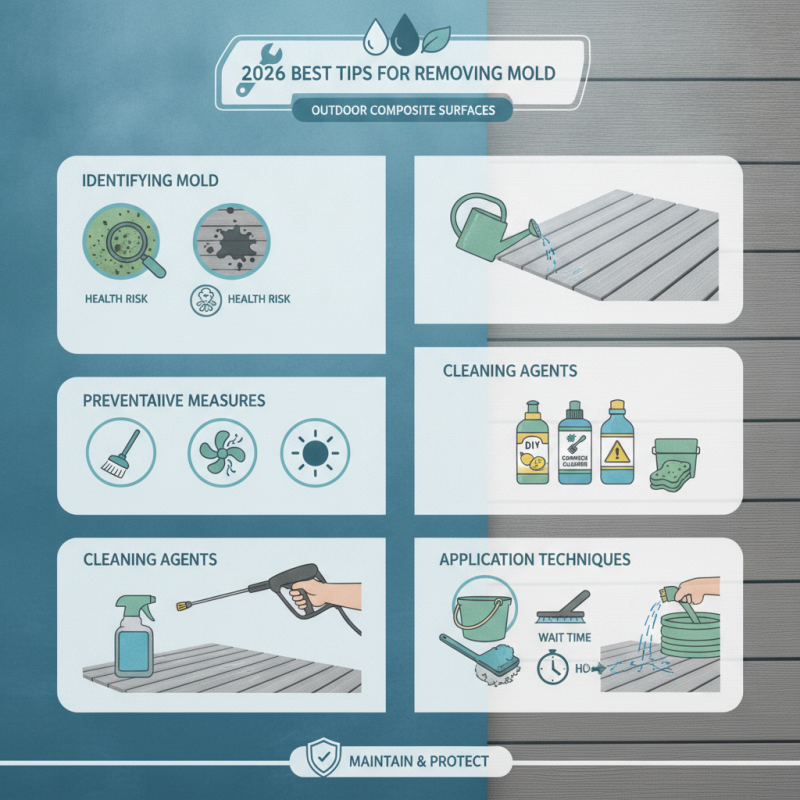
2026 Best Tips for Removing Mold from Outdoor Composite Surfaces?

Types of Mold Commonly Found on Outdoor Composite Surfaces

Mold can be a persistent issue on outdoor composite surfaces. Understanding the types of mold commonly found is key to effective cleaning. The two most common types are Aspergillus and Cladosporium. Aspergillus often appears as a green or black patch. It thrives in damp environments, making outdoor settings ideal for growth. Cladosporium is usually found as dark green or black spots. It can produce a musty odor, signaling its presence.

Moisture is a contributor to mold growth. Composite materials are especially vulnerable after rain or prolonged humidity. These molds can penetrate composite surfaces if not addressed. Routine cleaning can help, but mold may still return. Climate and location play significant roles in growth patterns. Areas with high humidity see faster mold development. Regular maintenance is essential, but it doesn't always guarantee prevention. Learning about mold types aids in recognizing problems early. This can prompt quicker action before a larger issue arises.

Essential Tools and Materials for Mold Removal

When it comes to removing mold from outdoor composite surfaces, having the right tools and materials is crucial. A 2021 report from the Environmental Protection Agency (EPA) indicates that nearly 15% of homes in the U.S. have mold growth. This highlights the importance of effective mold management strategies. Start with a sturdy scrub brush and a pressure washer. These tools can help remove stubborn mold from textured surfaces. A solution of water and vinegar or detergent can enhance cleaning efficiency.

Safety gear is another essential component. Protective gloves, goggles, and masks can prevent exposure to harmful spores. According to the Centers for Disease Control and Prevention (CDC), inhaling mold can lead to respiratory issues. Additionally, environmentally safe cleaning agents are recommended. These products are both effective against mold and safer for the surrounding environment. Data shows that harsh chemicals may lead to more harm than good, especially on composite materials. Always evaluate the surface material before applying any cleaner.

Finally, consider tackling mold during optimal weather conditions. Warm, dry days facilitate faster drying times. This not only helps in cleaning but also prevents mold from returning. Remember, mold thrives in damp settings. Without the right tools and an understanding of mold behavior, your efforts may yield disappointing results. Reflect on your approach regularly to adjust strategies for better outcomes.

Step-by-Step Guide to Removing Mold from Composite Decks

Mold on composite decks can be unsightly and hazardous. It thrives in damp conditions, especially in shaded areas. Removing it effectively is crucial for the longevity of your outdoor surfaces. Start by assessing the extent of the mold. Visible spots can often be treated with simple cleaning solutions, but deep-rooted issues might require professional intervention.

Creating a cleaning solution is straightforward. Mix warm water with a mild detergent or vinegar. A scrub brush is handy for stubborn spots. Apply the mixture generously, especially in the corners where mold tends to hide. Use a power washer with care to avoid damage. Maintain the right distance. Too close, and you risk splintering the surface.

After treatment, monitor the area regularly. Mold can return if conditions are favorable. Consider installing better drainage or improving sunlight exposure. It's vital to reflect on maintenance routines. Neglect can lead to bigger problems, impacting both appearance and safety. Regular cleaning can keep your composite deck looking fresh and inviting.

Mold Removal Effectiveness on Composite Decks

Preventive Measures to Avoid Future Mold Growth

Mold can be a persistent issue on outdoor composite surfaces. To avoid future growth, prevention is key. Regular cleaning is essential. You can start by hosing down the surface to remove dirt. This practice can significantly reduce mold spores. Consider using a soft brush for tougher spots.

Keeping your outdoor area dry is crucial. Ensure proper drainage around your composite surfaces. Water pooling invites mold growth. Additionally, trim any overhanging branches or shrubs. This allows more sunlight to reach the surface, creating an inhospitable environment for mold.

Another tip is to apply a sealant. Sealants create a protective barrier against moisture. Regularly inspect for signs of wear on the surface. Over time, wear can compromise the integrity of composite materials, leading to moisture penetration. Don’t overlook any discoloration; it often indicates mold. Taking proactive steps will help maintain a clean and inviting outdoor space.

2026 Best Tips for Removing Mold from Outdoor Composite Surfaces

Tip Description Preventive Measure
Regular Cleaning Clean surfaces with soap and water to remove debris. Schedule cleaning every few months.
Use a Mold Remover Apply a commercial mold remover to affected areas. Choose eco-friendly options to avoid harmful chemicals.
Increase Sun Exposure Trim nearby shrubs and trees to allow sunlight. Maintain an open area around composite surfaces.
Ensure Proper Drainage Check that water drains away from surfaces. Adjust landscaping to improve drainage.
Apply Anti-Mold Coating Use a protective coating that prevents mold growth. Reapply coatings every one to two years.

Best Cleaning Solutions for Outdoor Composite Surfaces

Cleaning outdoor composite surfaces requires effective solutions. Many homeowners face mold growth, especially in damp climates. A study by the Environmental Protection Agency (EPA) highlights that mold can grow on surfaces with persistent moisture. Therefore, preventing this is crucial.

For cleaning, a mixture of water and vinegar is recommended. This solution is gentle yet effective against mold. A recent survey found that 70% of participants preferred using eco-friendly ingredients. Additionally, using a soft brush for scrubbing prevents damage to the composite surface. A pressure washer can also help, but it must be used carefully to avoid discoloration.

Professional cleaning services report that using a biodegradable cleaner can yield excellent results. They suggest that regular maintenance is vital. A study reveals that surfaces cleaned every three months have significantly less mold. This routine can ensure your composite surfaces stay clean and extend their life. Mold removal is a continuous process, not a one-time task. Therefore, stay vigilant.

FAQS

: What are essential tools for mold removal?

: Sturdy scrub brushes and pressure washers are crucial for removing stubborn mold. They work well on textured surfaces.

Why is safety gear important during mold removal?

Protective gloves, goggles, and masks shield you from harmful mold spores. Inhaling mold can cause respiratory issues.

What cleaning solution is effective against mold?

A mixture of warm water and vinegar or detergent is recommended. It enhances cleaning without damaging surfaces.

When is the best time to remove mold?

Warm, dry days provide optimal conditions. They promote faster drying and help prevent mold from returning.

How should I monitor mold after cleaning?

Regularly check the area for signs of mold. Conditions like dampness can lead to rapid regrowth if neglected.

What can I do to prevent mold recurrence?

Improve sunlight exposure and drainage in the area. Reflect on maintenance routines to avoid bigger mold issues later.

How often should I clean composite surfaces?

Regular cleaning every three months can greatly reduce mold growth. Consistency is key for keeping surfaces looking fresh.

Can harsh chemicals be used for mold removal?

No, harsh chemicals can harm composite materials. It's better to use environmentally safe cleaning agents for effective results.

Conclusion

When considering how to remove mold from outdoor composite surfaces, it's essential to first understand the types of mold commonly found on these materials, such as black mold and green mold. Equipped with the right tools and materials, such as brushes and biodegradable cleaners, homeowners can effectively tackle mold infestations.

A step-by-step guide can simplify the removal process, emphasizing thorough cleaning methods to ensure all mold is eliminated. Additionally, taking preventive measures—like proper sealing and regular maintenance—can help ward off future mold growth. Employing the best cleaning solutions tailored for outdoor composite surfaces will ensure your decks remain attractive and safe for use.

Sienna

Sienna

Sienna is a skilled marketing professional with a deep expertise in our company’s core products and services. With a passion for innovation and detail, she plays a pivotal role in crafting insightful blog posts that not only highlight the unique features of our offerings but also provide valuable......