When it comes to renovating a room, one of the key elements is choosing wall panels. Knowing how to calculate how many wall panels I need for a room is crucial. This not only helps you stay within budget but also ensures you have an aesthetically pleasing outcome. Accurate measurements allow for a smoother installation process, reducing stress and unexpected challenges.
To begin, you'll need to measure the height and width of your walls. Each room is unique, and dimensions can vary widely. Factors like windows, doors, and irregular wall shapes can complicate calculations. It might take some time to get it right. Yet, this effort pays off in the end.
Some might find it tedious and even frustrating. But precise calculations lay the foundation for a successful project. It's essential to understand the impact of errors in measurement. This process can seem daunting, but it offers valuable lessons in attention to detail and planning. Each step offers an opportunity for reflection and improvement.
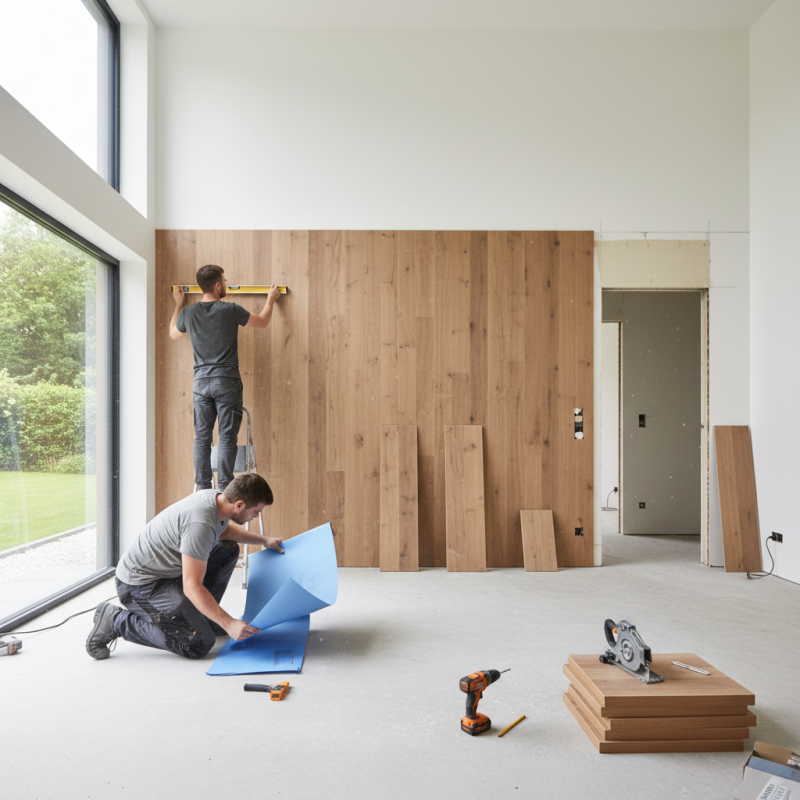
When calculating wall panels for a room, understanding dimensions is crucial. Standard wall panels typically measure 4 feet by 8 feet, covering 32 square feet. However, variations exist. For example, some panels might be 4 feet by 9 feet. This slight change affects your total needs significantly. According to industry data, a room of 10 feet by 12 feet requires about 6 panels. But factoring in windows and doors may reduce this number.
Coverage area is essential too. After measuring your room, account for openings. A standard door takes up about 21 square feet. By deducting this from your total square footage, you refine your calculation. Many average users overlook this aspect. It can lead to purchasing excess panels, wasting resources. According to a recent Home Improvement report, 15% of buyers overestimate their needs, which can strain budgets unexpectedly.
Lastly, consider panel type and material. Different materials have varied coverage abilities. For instance, plywood provides good insulation but is heavier. Vinyl panels, though lighter, may not cover as much area. It's crucial to assess your specific requirements. Balancing aesthetics, function, and cost will guide you to an informed choice. Investing time in calculations ensures a more efficient project outcome.
Measuring the room’s dimensions accurately is crucial for calculating the number of wall panels needed. Start by measuring the length and width of the room. Use a tape measure for precision. For awkward spaces, consider having a helper to hold one end while you stretch the tape across the floor. Take measurements at multiple points to account for any inconsistencies in the walls.
Height is another important factor. Measure from the floor to the ceiling in several spots. Variations in height may affect the total area to cover. It's helpful to note any areas where the wall may not be vertical, such as slanted ceilings or obstructions like windows.
**Tips:** Keep a notebook handy. Jotting down all your measurements helps avoid confusion later. Double-check your calculations to minimize errors. Remember, it’s okay to feel unsure during this process. Many people find measuring daunting. Don’t rush; take your time to ensure accuracy. Each correctly measured dimension contributes to a more efficient project.
| Room Type | Length (ft) | Width (ft) | Height (ft) | Total Wall Area (sq ft) | Panels Needed |
|---|---|---|---|---|---|
| Living Room | 20 | 15 | 10 | 600 | 6 |
| Bedroom | 15 | 12 | 10 | 540 | 5 |
| Kitchen | 12 | 10 | 8 | 440 | 4 |
| Bathroom | 8 | 5 | 8 | 260 | 3 |
Calculating the total wall area for panel installation is essential before purchasing wall panels. Start by measuring the dimensions of each wall in the room. Use a tape measure for accuracy, recording each wall's height and width. Multiply these two values to find the area of each wall.
Next, sum the areas of all walls to get the total wall area. If there are doors or windows, don’t forget to subtract their areas. Measure the height and width of each opening. Then, calculate their area by multiplying height by width. Deduct these areas from the total wall area.
This process can reveal unexpected challenges. Rooms often have odd shapes that complicate the calculations. Remember to double-check your measurements. Mistakes in calculations can lead to purchasing too many or too few panels. Keep a notepad handy for leaving notes on any irregularities. An accurate total will save time and costs during installation.
This bar chart represents the total wall area (in square feet) calculated for different room sizes, showcasing how many wall panels may be needed for installation.
When calculating the number of wall panels needed for a room, account for openings such as doors and windows. These features significantly affect your total wall area. Measure the dimensions of each opening carefully. Subtract these measurements from your total wall square footage. Failing to do so can lead to overestimating your materials.
Tips: Use a digital or laser measuring tool for accuracy. Ensure you note the exact size of all openings, considering their placement. A simple tape measure can sometimes lead to errors. Mistakes at this stage may cause delays or extra expenses.
Always double-check your calculations. Reassess your initial figures after factoring in the openings. Consider potential changes in the room’s layout that might impact measurements. It’s easy to overlook a window or door, so maintain awareness during the entire process. This attention to detail will save time and resources.
Calculating the number of wall panels you need begins with understanding the area of your room. Measure the height and width of each wall that requires panels. Multiply the height by the width to find the area of each wall. This number gives you the total square footage of wall space. For example, a wall that is 10 feet high and 12 feet wide has an area of 120 square feet.
Next, determine the size of the panels you intend to use. Common panel sizes vary, but a standard panel might cover about 32 square feet. To find out how many panels are needed, divide the total wall area by the area that one panel covers. In our example, dividing 120 by 32 gives you approximately 3.75, meaning you need four panels to cover the wall completely.
Keep in mind that this calculation does not consider windows or doors. Consider these factors for a more accurate estimate. It's also wise to factor in some extra panels for mistakes or future repairs. Mistakes happen during installation. Each project requires adjustments based on how the panels fit. Rethinking measurements can lead to better outcomes. Experience is your best teacher, reminding you to double-check measurements before purchasing.
: Use a tape measure for precision. Have a helper hold one end if necessary.
Walls might not be straight. Measuring at different points helps account for inconsistencies.
Measure from the floor to the ceiling in several locations to capture any variations.
Note these areas. They can affect the total area you need to cover.
Measure each wall’s height and width. Multiply these values for each wall.
Yes, measure their height and width. Calculate their area and subtract from the total.
Odd room shapes can complicate calculations. Stay calm and double-check to avoid mistakes.
Keep a notebook handy for notes. Double-check all calculations before proceeding.
Absolutely. Many find it daunting. Take your time and don’t rush the process.
You may end up buying too many or too few panels, leading to extra costs and delays.
In the process of understanding how to calculate how many wall panels I need for a room, it's essential to start with the dimensions and coverage areas of the panels. Begin by measuring the room's length, width, and height accurately to determine the total wall area. Once you have this information, calculate the overall wall area by factoring in the size of the panels you intend to use.
It's also important to account for any openings such as doors and windows, which can reduce the total surface area that requires paneling. By subtracting these openings from the total wall area, you can arrive at a more precise figure. Finally, by dividing the adjusted wall area by the coverage area of a single panel, you can determine the total number of panels needed for your installation project. This systematic approach ensures accurate calculations for any room.

Haven Decoration