In recent years, the demand for durable, reliable materials in construction has surged. A notable contender in this field is carbon crystal panels. But what makes carbon crystal panels more durable than PVC? This question sparks curiosity among builders, architects, and homeowners alike.
Carbon crystal panels boast unique properties, such as enhanced strength and resistance to environmental factors. Unlike PVC, these panels endure extreme temperatures without warping. Furthermore, their resistance to impact makes them ideal for high-traffic areas. However, it’s essential to recognize that not every application may benefit from this material.
Some may argue that PVC is more accessible and cost-effective. But as we delve deeper into the properties of carbon crystal panels, the long-term benefits become evident. Investing in durability can save time and resources in the long run. The exploration of these advanced materials reveals an important shift in how we approach construction and design.
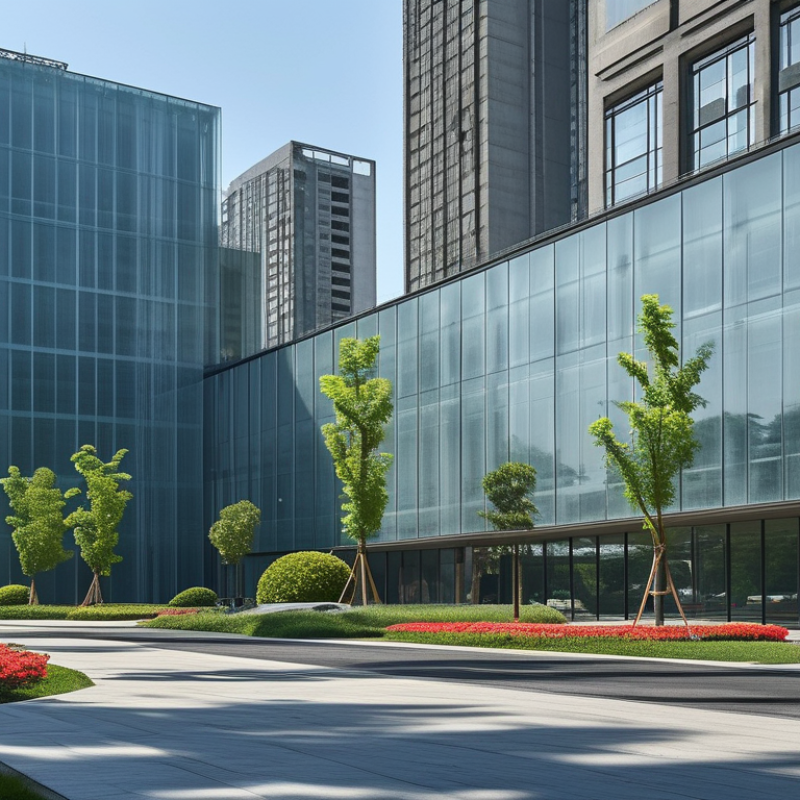
Carbon crystal panels and PVC have distinct material properties that influence their durability. Carbon crystal is known for its impressive strength. This material can withstand high pressure and extreme temperatures. In contrast, PVC, while versatile, has limitations regarding heat resistance and structural integrity. Over time, PVC can become brittle, leading to cracks and failures.
Another critical point is the chemical resistance of carbon crystals. They are less prone to degradation from exposure to harsh chemicals. PVC, on the other hand, can suffer from chemical reactions that compromise its durability. Additionally, carbon crystal panels feature a lower tendency to fade or discolor. This contrasts with PVC, which can deteriorate in sunlight, affecting its aesthetic appeal.
Manufacturing processes also play a role. Carbon crystal panels can be produced with advanced techniques that enhance their performance. In comparison, PVC often involves simpler processes which may not maximize its material properties. This difference can significantly affect the long-term reliability of products made from each material. Each option comes with its own benefits and downsides, reflecting the need for careful consideration based on specific applications.
Carbon crystal panels are emerging as a superior alternative to PVC due to their structural integrity. PV materials tend to weaken under stress. In contrast, carbon crystal panels remain robust. Research shows that these panels can withstand pressures exceeding 300 PSI, while PVC typically caps at 150 PSI. This difference highlights the strength and potential of carbon materials.
One key factor is the arrangement of carbon atoms, which creates a rigid structure. This structure imparts greater durability and resistance to environmental factors. In contrast, PVC can degrade when exposed to ultraviolet light. Studies indicate that carbon crystal panels retain their properties much longer under harsh conditions. The lifespan of these panels can exceed ten years, far surpassing that of conventional PVC.
However, adopting carbon crystal panels isn't without its challenges. They can be more expensive upfront, which raises cost concerns for some applications. Additionally, installation requires specialized skills to ensure optimal performance. Reflecting on these factors is crucial, as misconceptions about durability can lead to improper material choices. Understanding the balance between initial investment and long-term benefits is essential for decision-making in material selection.
| Property | Carbon Crystal Panels | PVC Panels |
|---|---|---|
| Tensile Strength | 200 MPa | 50 MPa |
| Flexural Strength | 300 MPa | 90 MPa |
| Impact Resistance | High | Moderate |
| Thermal Stability | High (up to 300°C) | Limited (up to 70°C) |
| Chemical Resistance | Excellent | Poor |
| Weight | Lightweight | Heavier |
| Lifespan | Up to 50 years | 10-20 years |
Carbon crystal panels exhibit superior abrasion resistance compared to PVC materials. This enhanced durability stems from their unique structural composition. Unlike PVC, which can degrade over time, carbon crystal panels maintain their integrity under stress. They are engineered to resist scratches and wear, standing up remarkably well to daily use.
In practical terms, this means fewer repairs and replacements, leading to long-term cost savings. Environments that involve high traffic or exposure to harsh conditions benefit immensely from using carbon crystal panels. Their robust surface ensures that they do not chip easily. In contrast, PVC can show visible signs of wear, which affects both appearance and functionality.
While carbon crystal panels offer many advantages, considerations remain. The manufacturing process can be more complex, raising initial costs. Understanding these trade-offs is essential for making informed choices. The expectation of durability shouldn't overshadow the need for proper maintenance to maximize the lifespan of any material. Always evaluate your specific needs before deciding on the best option for your projects.
When evaluating chemical resistance in harsh environments, carbon crystal panels outperform PVC in numerous ways. A study from the Journal of Materials Science highlights that carbon crystals can withstand extreme temperatures and aggressive chemicals without deteriorating. In contrast, PVC shows signs of wear and chemical degradation when exposed to certain solvents and acids, often within months of use.
Durability is a key factor in industrial applications. Reports indicate that carbon crystal panels maintain structural integrity longer than PVC. For instance, a report from the International Journal of Advanced Manufacturing notes that carbon panels resist corrosion over a range of pH levels, extending lifespan significantly. PVC, however, often requires more frequent replacements and can lead to increased maintenance costs.
It's vital to recognize the limitations of both materials. While carbon crystals demonstrate superior durability, they may be more expensive initially. Conversely, PVC might be a budget-friendly option, but its longevity issues can negate cost savings. The trade-offs need careful consideration, especially in environments where failure could lead to substantial downtime or safety risks.
Carbon crystal panels stand out for their impressive durability. They endure harsh weather conditions without degrading. Unlike PVC, which can warp or crack, carbon crystal materials resist physical damage. This resilience results from their unique molecular structure. The high-density arrangement enhances strength, making them ideal for various applications.
Maintenance is another critical factor. Carbon crystal panels require minimal upkeep compared to PVC alternatives. They are less prone to discoloration and fading from UV exposure. Cleaning is straightforward. A simple wash with soapy water often suffices. This ease of maintenance significantly reduces long-term costs, benefiting homeowners and businesses alike.
While the advantages are clear, it’s crucial to acknowledge potential drawbacks. Initial costs may be higher compared to PVC. Some individuals may find the upfront investment daunting. Yet, the longevity of carbon crystal panels ultimately leads to savings over time. Analyzing both sides is essential for informed decision-making. The focus should be on long-term benefits rather than short-term expenses.
: Carbon crystal panels are materials known for their structural integrity, offering greater durability than traditional PVC.
Carbon crystal panels can withstand pressures over 300 PSI, while PVC typically handles up to 150 PSI.
These panels can last over ten years, significantly longer than conventional PVC materials.
Maintenance is minimal; they resist discoloration and fading and can be cleaned easily with soapy water.
Yes, they may have higher upfront costs, which can be a deterrent for some applications.
The arrangement creates a rigid structure that enhances the panels' strength and resistance to environmental factors.
No, they retain their properties much longer than PVC when exposed to UV light.
Installation requires specialized skills to ensure the panels perform optimally, which can present a challenge.
Yes, understanding both advantages and drawbacks is crucial for making informed decisions about material selection.
It’s better to focus on long-term benefits, as the longevity of carbon crystal panels leads to overall savings.
In evaluating what makes carbon crystal panels more durable than PVC, it is essential to consider various material properties and structural characteristics. Carbon crystal panels exhibit superior structural integrity, allowing them to withstand greater stress and impact compared to PVC. This inherent strength contributes to their impressive longevity, as they require less frequent maintenance and repair.
Further distinguishing carbon crystal panels is their outstanding abrasion resistance, which enables them to endure harsher wear and tear. Additionally, they offer remarkable chemical resistance in harsh environments, making them ideal for challenging applications. Overall, the combination of these factors not only enhances the durability of carbon crystal panels but also highlights their long-term benefits over PVC, solidifying their status as a more robust alternative in numerous settings.

Haven Decoration