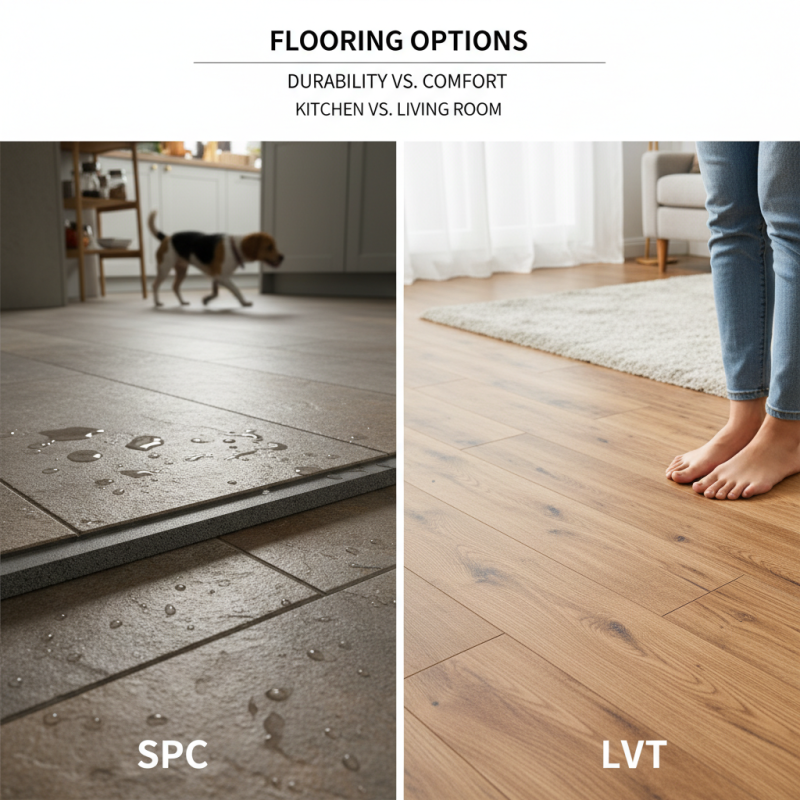
Choosing the right flooring can be overwhelming. Many homeowners often wonder what is the difference between SPC and LVT flooring. SPC, or Stone Plastic Composite, offers durability and water resistance. On the other hand, LVT, or Luxury Vinyl Tile, provides a diverse aesthetic appeal and is known for its comfort underfoot.
When evaluating these options, consider the room's design and function. SPC might suit high-traffic or moisture-prone areas. LVT could be ideal for living spaces where style is paramount. Weight and installation can also differ between the two, impacting your choice.
Understanding these flooring types’ unique attributes is crucial. Think about your lifestyle, budget, and the look you desire. The decision isn’t always clear-cut. Reflect on how each option aligns with your needs and preferences, while also considering potential maintenance issues that may arise.
Understanding SPC and LVT Flooring: Definitions and Characteristics
SPC and LVT flooring options are popular in modern homes.
SPC, or
Stone Plastic Composite, is known for its durability.
It consists of a rigid core that makes it waterproof and resistant to impacts.
This type of flooring is a great choice for high-traffic areas, such as kitchens and hallways.
LVT, or Luxury Vinyl Tile,
is another excellent option. It offers a softer feel underfoot,
thanks to its flexible core. LVT is highly versatile, mimicking the look of natural materials, such as
wood or stone. It is available in various designs, appealing
to different tastes and styles.
Both flooring types need careful consideration.
SPC is tougher, suitable for harsh conditions, but might feel cold.
LVT is warmer but may not hold up as well in busy spaces.
Understanding these characteristics helps in making an informed choice. Each type has its
pros and cons, and deciding comes down to personal needs
and the specific environment.
Key Differences Between SPC and LVT Flooring Materials
SPC and LVT flooring are popular choices for homeowners and commercial spaces. They both offer durability and aesthetic appeal, but their differences are crucial.
SPC, or Stone Polymer Composite, is engineered for resilience. It contains a rigid core made from limestone and PVC, making it water-resistant and ideal for high-traffic areas. A report by the International Surface Fabricators Association (ISFA) highlights that SPC can withstand extreme temperature changes better than LVT.
LVT, or Luxury Vinyl Tile, is more flexible and versatile. It replicates the look of natural wood or stone quite effectively. According to research from market analysis firm Freedonia Group, LVT flooring sales have consistently grown at approximately 10% annually. However, its softer core makes it less effective in areas where heavy impacts are expected.
Another critical consideration is installation. SPC flooring often features a click-lock system, which simplifies the process. In contrast, LVT may require glue-down methods, complicating its installation. A study by the Flooring Contractors Association indicates that easy installation can significantly lower overall project costs.
Understanding these nuances can help you make an informed decision that fits your needs.
Advantages of SPC Flooring: Durability and Water Resistance
SPC flooring, or Stone Plastic Composite flooring, is a popular choice for many homeowners. Its remarkable durability is one of its standout features. SPC is engineered with a rigid core that resists dents and impacts. This makes it ideal for high-traffic areas, such as hallways and living rooms. Unlike traditional flooring, it can withstand heavy furniture without showing signs of wear.
Water resistance is another notable advantage of SPC flooring. The surface and core are designed to repel moisture effectively. Spills and humidity won’t easily damage it, making it suitable for bathrooms and kitchens. Homeowners can have peace of mind knowing that their flooring can handle everyday messes.
However, it's essential to remember that no flooring option is perfect. SPC can feel cold underfoot compared to other materials. Some might find its rigidness uncomfortable over long periods. Additionally, installation may require a professional touch to ensure a seamless look. Weighing these factors is crucial in making an informed choice.
Benefits of LVT Flooring: Design Versatility and Comfort
When considering flooring options, LVT (Luxury Vinyl Tile) flooring stands out for its design versatility and comfort. With a wide variety of styles, LVT can emulate natural wood or stone. It allows homeowners to achieve their aesthetic dreams while maintaining durability. Plus, LVT is soft underfoot, adding an element of comfort that harder surfaces lack.
Choosing the right flooring requires careful thought. LVT is ideal for homes with children or pets. It’s resistant to scratches and stains. Additionally, the cushioned feel makes it a good choice for areas where you stand for long periods.
Tips:
- Experiment with samples to see how colors and patterns look in your space.
- Consider how much foot traffic your flooring will endure.
- Assess your budget but remember that sometimes, investing more upfront leads to better long-term satisfaction.
With LVT, you can achieve a customized look that fits your lifestyle.
Factors to Consider When Choosing Between SPC and LVT Flooring
When considering SPC (Stone Plastic Composite) and LVT (Luxury Vinyl Tile) flooring, several crucial factors come into play. Both options have unique benefits, but understanding their differences can guide your decision. A report by the National Wood Flooring Association indicates that SPC can offer superior water resistance, making it ideal for areas prone to moisture. However, LVT often comes in a wider range of styles and textures, allowing for greater customization in design.
Durability is another vital aspect. According to research from the Resilient Floor Covering Institute, SPC is more robust than LVT due to its dense core, which can withstand heavy foot traffic. Nonetheless, LVT tends to have a softer feel underfoot and provides a wider array of color and pattern choices, from wood grains to stone looks. This variety might appeal to homeowners seeking a specific aesthetic.
Cost considerations are equally important. Data from industry sources shows that LVT typically falls within a lower price range than SPC, making it a budget-friendly choice for many consumers. However, the longevity of SPC could offset upfront costs over time. Understanding your specific needs—whether they pertain to design, budget, or durability—can help clarify the better option for your space. Reflecting on these elements is essential as decisions could have lasting impacts on both value and satisfaction.
SPC vs LVT Flooring Comparison
FAQS
: SPC is more rigid and water-resistant, while LVT is flexible and offers better design versatility.
Yes, SPC provides superior water resistance, making it ideal for areas prone to moisture.
SPC often uses a click-lock system, whereas LVT typically requires glue-down methods, complicating installation.
SPC is generally more durable due to its dense core, suitable for high foot traffic.
Yes, LVT can effectively replicate the look of wood or stone, offering extensive design options.
LVT is soft underfoot, providing comfort in areas where you stand for long periods.
Factors like water resistance, design options, durability, and budget need to be evaluated carefully.
Yes, LVT is resistant to scratches and stains, making it a good choice for such households.
Experimenting with samples can help visualize how colors and patterns fit into your space.
Its longevity and durability may justify higher upfront costs, leading to better long-term satisfaction.
Conclusion
When choosing between SPC (Stone Plastic Composite) and LVT (Luxury Vinyl Tile) flooring, it's important to understand their definitions and characteristics. SPC flooring is known for its durability and water resistance, making it ideal for high-moisture areas. In contrast, LVT offers greater design versatility and comfort, allowing for a wide range of aesthetic options.
To grasp what is the difference between SPC and LVT flooring, one must consider their core materials and intended uses. SPC is typically more rigid and better suited for commercial spaces or areas prone to heavy traffic, while LVT is softer and warmer underfoot, perfect for residential environments. Ultimately, your choice will depend on factors such as the specific environment, desired aesthetics, and functional requirements.

 Haven Decoration