Choosing flooring can be a considerable decision for homeowners and businesses alike. The options are plentiful, but two popular choices have emerged: SPC and LVT flooring. Both types offer unique benefits, but understanding what is the difference between SPC and LVT flooring is essential. A recent industry report noted that the luxury vinyl tile (LVT) market is projected to reach USD 22.23 billion by 2026, highlighting its growing popularity.
SPC, or Stone Plastic Composite, flooring is known for its durability and waterproof qualities. In contrast, LVT, or Luxury Vinyl Tile, is favored for its aesthetic appeal and versatility. A study from Market Research Future indicated that the SPC flooring segment is expected to grow by 8% annually due to increased consumer demand. However, selecting the right option may depend on specific needs, such as foot traffic, design preferences, and installation environments.
While SPC might be robust, it can be heavier and less forgiving during installation. LVT, although lighter and easier to install, may not offer the same level of durability in high-traffic areas. This decision requires careful evaluation and a clear understanding of your priorities. Reflecting on these factors will lead to a more informed choice that meets your unique requirements.
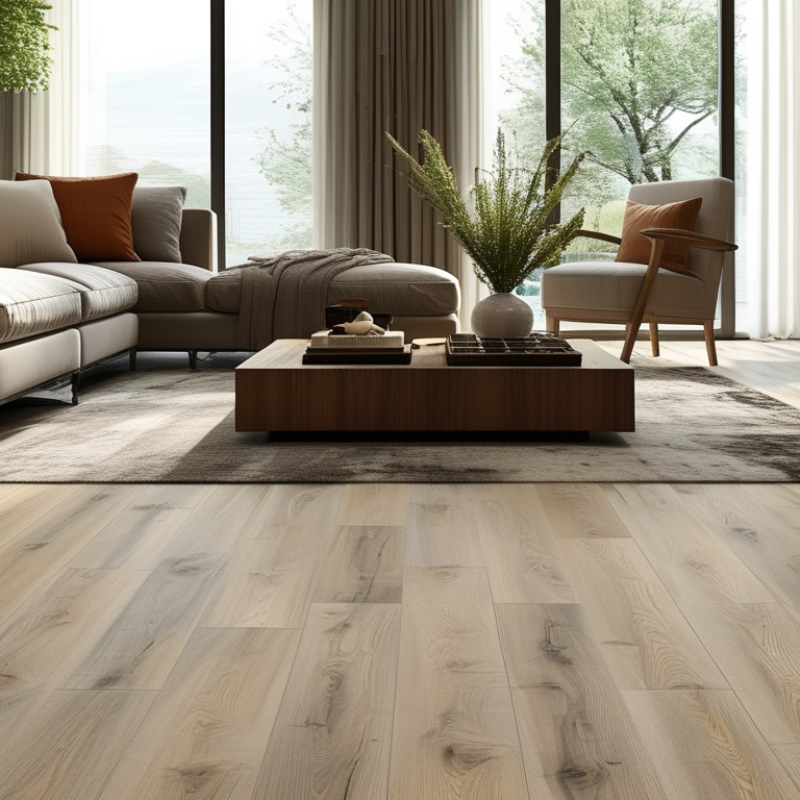
Understanding SPC and LVT Flooring: Key Characteristics
SPC (Stone Plastic Composite) and LVT (Luxury Vinyl Tile) flooring are popular choices. Both have unique features that cater to various needs. SPC is known for its durability. It combines stone and plastic materials, making it sturdy and waterproof. This is ideal for high-traffic areas. LVT, on the other hand, offers a wide range of designs. It mimics natural materials like wood and stone, providing aesthetic appeal.
When selecting flooring, consider your environment. If moisture is a concern, SPC is more reliable. It won’t warp or buckle in humid areas. If you prioritize appearance, LVT may be the better fit. It provides more design flexibility and can enhance home decor.
Tips: Always request samples before making a decision. This helps you visualize the look in your space. Another suggestion is to check the wear layer thickness. A thicker wear layer ensures better durability over time. Lastly, think about installation methods. Some options may require professional help, while others allow DIY installation. Choose what fits your skills and budget.
SPC vs LVT Flooring: Key Characteristics Comparison
Evaluating Durability: SPC vs LVT
When evaluating durability, both SPC and LVT flooring present unique features.
SPC flooring consists of a rigid core, making it resistant to impacts and water.
This rigidity makes it ideal for high-traffic areas, such as kitchens and hallways.
Its structure helps prevent dents and scratches, providing peace of mind for families with active lifestyles.
On the other hand, LVT flooring offers flexibility and comfort underfoot.
It is often quieter, absorbing sound better than SPC.
However, LVT may not withstand heavy furniture or constant foot traffic as well as SPC.
Over time, it could show signs of wear in those high-stress zones.
Understanding these differences is crucial for making the right choice.
It's essential to consider your specific needs when choosing between SPC and LVT.
Examine the areas where you plan to install the flooring.
If durability and resistance to moisture are top priorities, SPC may be the better fit.
However, if comfort and aesthetic appeal are more important, LVT might be worth exploring.
Each option has its strengths, and assessing them in the context of your lifestyle will yield the best results.
Cost Considerations: Initial Investment and Long-term Value
When considering SPC (Stone Plastic Composite) and LVT (Luxury Vinyl Tile) flooring, cost is a significant factor. According to industry reports, SPC flooring typically costs between $3 to $5 per square foot, while LVT ranges from $2 to $7 per square foot. The variance largely depends on the quality of the products. Higher-end LVT may offer more aesthetic appeal, but SPC can provide better durability.
Initial investment is just one aspect. Long-term value is also important. SPC flooring is known for its waterproof qualities and can last up to 20 years with proper care. LVT can also withstand moisture but tends to have a shorter lifespan, averaging around 10 to 15 years. Homeowners may find that while SPC has a higher upfront cost, its durability often leads to lower maintenance costs over time.
Consider installation costs as well. Some SPC options feature a click-lock installation. This can reduce labor expenses. LVT may require more complicated adhesives. The decision between these two options should also factor in future needs. Investing in flooring is not just about today; it impacts the space for years to come. Balancing initial costs and long-term benefits is key to making an informed choice.
Installation Processes: Comparing SPC and LVT Flooring
When considering SPC and LVT flooring, installation is a key factor. SPC flooring features a rigid core, which simplifies the process. This type of flooring often uses a click-lock system, making it easy for DIY enthusiasts. The added thickness can provide some sound insulation, which is beneficial in busy homes.
In contrast, LVT can require more extensive preparation. It may need a smooth subfloor for best performance. LVT installations typically involve adhesive, requiring careful application to avoid air bubbles. This can be a challenge for those unfamiliar with flooring projects. Both options come with distinct installation requirements that may impact your choice.
Overall, the choice between SPC and LVT will depend on your comfort level with installation. If you prefer a straightforward, user-friendly process, SPC may be the way to go. However, if you value design versatility and don’t mind a more involved setup, LVT could suit your needs. Each type brings its unique challenges that deserve thorough consideration.
How to Choose Between SPC and LVT Flooring for Your Needs? - Installation Processes: Comparing SPC and LVT Flooring
| Feature |
SPC Flooring |
LVT Flooring |
| Material Composition |
Stone Plastic Composite |
Luxury Vinyl Tile |
| Water Resistance |
Highly resistant |
Good, but less than SPC |
| Installation Method |
Click-lock or glue-down |
Click-lock, glue, or loose lay |
| Durability |
Very durable, impact resistant |
Durable, but softer than SPC |
| Cost |
Moderate to high |
Moderate |
| Acoustic Properties |
Good sound insulation |
Excellent sound absorption |
| Appearance Options |
Limited, but more texture |
Wide variety of designs |
| Maintenance |
Easy to clean, low maintenance |
Easy to clean, regular maintenance |
Aesthetic Options: Style and Design Choices in SPC and LVT
When considering SPC (Stone Plastic Composite) and LVT (Luxury Vinyl Tile) flooring, aesthetic options play a crucial role. Both flooring types offer a wide range of styles and designs that cater to various tastes. According to a report by the Resilient Floor Covering Industry, over 50% of consumers prioritize design flexibility when choosing flooring.
SPC provides a realistic wood or stone look, often with embossed textures that enhance its appearance. In contrast, LVT also mimics natural materials and boasts vibrant colors and patterns, providing endless design possibilities.
The choice between SPC and LVT largely depends on personal preferences and design goals. SPC flooring typically has a thicker wear layer, offering durability in high-traffic areas. However, some users feel that LVT’s softer feel and variety of textures make it more appealing for residential spaces. A survey by Floor Covering News indicates that 65% of homeowners prefer warmer tones and intricate patterns, experiences that both SPC and LVT can successfully deliver.
While both options are visually striking, users often reflect on installation and maintenance. SPC is generally easier to install, while LVT might require more care to maintain its appearance. The long-term impact on space aesthetics must also be considered. Choosing between these two flooring types involves not just aesthetics but an overall experience, including how they feel underfoot and their adaptability to different interior designs.
Conclusion
When selecting flooring, many homeowners find themselves asking, "what is the difference between SPC and LVT flooring?" Both SPC (Stone Plastic Composite) and LVT (Luxury Vinyl Tile) offer unique characteristics that cater to different needs. SPC is known for its superior durability and resistance to moisture, making it ideal for high-traffic areas and spaces prone to spills. Conversely, LVT often provides greater flexibility in design and aesthetics, offering a wide range of styles that can mimic natural materials like wood or stone.
Cost considerations play a crucial role, as SPC flooring typically has a higher initial investment but may offer better long-term value due to its durability. Installation processes for both flooring types vary, with some finding SPC easier to install due to its more rigid structure. Ultimately, the choice between SPC and LVT flooring boils down to individual preferences in durability, cost, design, and ease of installation.

 Haven Decoration