Composite decking has gained popularity for its durability and low maintenance. However, homeowners often face a frustrating issue: warping during the summer months. According to John Smith, a leading expert in outdoor materials, "The heat can cause composite materials to expand and contract, leading to warping." This raises an important question: why is my composite decking warping in summer?
As temperatures rise, the synthetic components of composite decking react to heat. This can lead to noticeable deformities, including bowing and twisting. Many think their decking is immune to such problems, but environmental factors can take a toll on its integrity. Visible changes may appear alarming and can prompt a reflection on material quality and installation practices.
Understanding the phenomenon of warping is crucial for homeowners. It invites an exploration into preventative measures and solutions. Addressing the issue early can save time and money. Learning how to protect your decking from summer's heat is vital for maintaining your outdoor space's beauty and function.
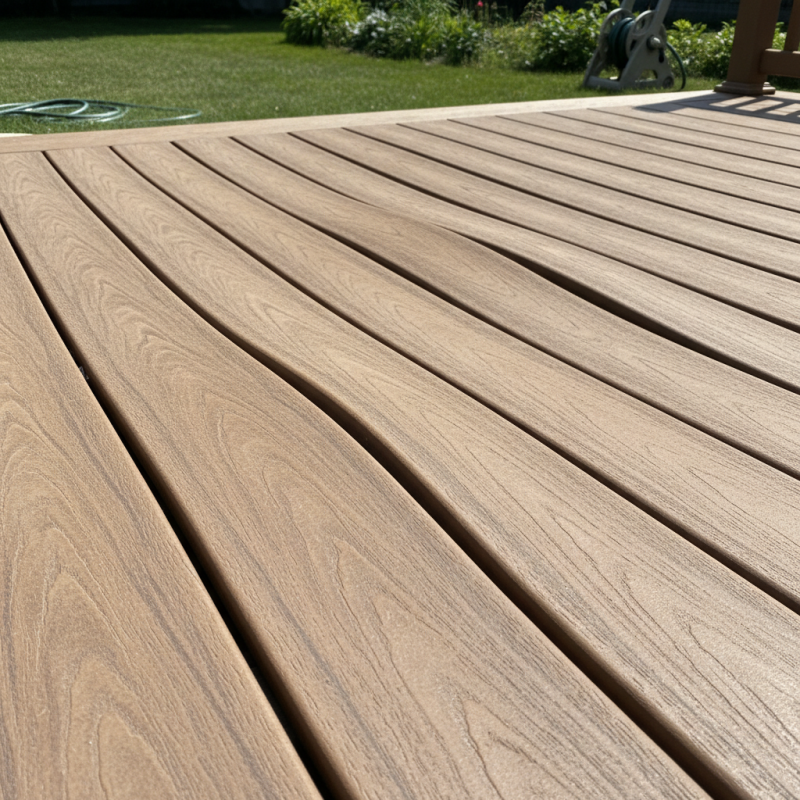
Composite decking is made from a blend of wood fibers and plastic. This combination aims to create a durable surface that withstands weather conditions. However, this mixture can also lead to complications in extreme temperatures. During summer, the heat can cause expansion, leading to warping.
Understanding the composition of composite decking helps explain these issues. The wood fibers can absorb moisture, while plastic does not. This difference can lead to uneven expansion. It’s crucial to choose quality materials that have better resistance to heat and moisture. Regular maintenance can also play a role in prolonging the life of your decking. Inadequate support structures may worsen warping.
Homeowners need to recognize that even the best composite decking can face challenges due to temperature changes. Monitoring the environment around your deck is essential. Sometimes, a simple reflection on installation and care tips can address potential issues early on.
Composite decking is a popular choice, but it can warp in summer heat. This issue often arises due to temperature fluctuations. Composite materials expand as they heat up, and if they are not installed properly, this can lead to warping. The spacing between boards is crucial. Too little space can result in pressure that forces the boards to bend.
Another common cause is moisture retention. Composite decking can absorb water, especially in high humidity. This absorption can cause the boards to swell and then warp when they dry. Regularly cleaning the decking helps reduce moisture build-up. Using a sealant can provide an extra layer of protection. Be aware of your local climate when installing composite decking.
Many homeowners overlook ventilation. Poor airflow can trap heat and moisture. It's important to ensure proper ventilation during installation. This oversight can lead to unexpected warping issues. It’s essential to assess your decking regularly. Identifying potential issues early can prevent costly repairs.
| Common Causes | Description | Solutions |
|---|---|---|
| Insufficient Ventilation | Lack of air circulation can cause heat buildup, leading to warping. | Ensure proper spacing between boards and clear airflow paths. |
| Excessive Sun Exposure | Direct sunlight can cause materials to expand and warp. | Use shade covers or install the deck in a shaded area. |
| Improper Installation | Incorrect spacing or securing methods can lead to deformation. | Follow manufacturer guidelines for spacing and installation techniques. |
| Moisture Encapsulation | Moisture trapped beneath the deck can cause expansion. | Use moisture barriers and ensure drainage systems are efficient. |
| Material Quality | Low-quality composite materials may warp easily under heat. | Invest in higher-quality materials designed for durability. |
During the summer months, temperature and humidity can play significant roles in composite decking warping. High temperatures can cause the materials to expand. This expansion may lead to bending and distortions, especially if the decking is not properly installed. Humidity adds another layer of complexity. When the air is humid, decking can absorb moisture, resulting in swelling. This combination creates an environment where warping is more likely to occur.
Monitoring local weather conditions can help homeowners mitigate these issues. Consider installing ventilation systems to promote airflow beneath the deck. Additionally, applying sealants can protect the surface from moisture. It’s essential to pay attention to the installation process as well. Any gaps or improper fastening can lead to more pronounced warping, making it necessary to choose an experienced contractor. Not all products are equal, and the right choice can make a difference.
Unfortunately, many homeowners overlook the need for routine maintenance. Regular inspections can catch early signs of warping. However, it's easy to dismiss minor cracks as unimportant. Ignoring these details can lead to larger problems down the line, required costly repairs. Ultimately, understanding the environmental factors at play is crucial in preserving the integrity of composite decking.
Composite decking is a popular choice for homeowners due to its durability and low maintenance. However, summer heat can cause warping. High temperatures and intense sunlight may warp decking materials, compromising aesthetics and functionality.
To prevent warping, proper installation is crucial. Follow guidelines to ensure adequate spacing and ventilation. Research indicates that proper airflow helps maintain temperature stability, reducing warping risks. In fact, experts suggest allowing a 1/4-inch gap between boards for optimal airflow.
Tips: Regular cleaning is essential. Dirt and debris can trap heat against the surface. Use a mild detergent and soft brush to maintain your decking.
Another effective method is using heat-resistant coatings. These products reflect sunlight and minimize temperature fluctuations. Studies show that applying such coatings can reduce heat absorption by up to 30%.
By implementing these measures, the likelihood of warping can be significantly reduced. Ensuring proper maintenance is not just about aesthetics. It’s about protecting your investment for years to come.
Composite decking offers durability and versatility but requires regular maintenance to prevent warping, especially in summer heat. One key factor in prolonging its lifespan is cleaning. Dirt and debris can trap moisture, leading to mold growth. A simple mix of mild soap and water can effectively clean your decking. Rinse thoroughly to avoid residue build-up.
Another crucial aspect is proper ventilation. Ensure that your deck is not overcrowded with furniture or planters. Allowing air to circulate can help maintain an even temperature. Regularly inspect the boards for signs of warping or unevenness. Don’t ignore minor issues; address them early to prevent larger problems. Protect your investment by applying a quality sealant, which acts as a barrier against the elements.
Your outdoor space reflects your lifestyle, so caring for it is essential. Remember, perfection isn't always the goal. Each season may present its challenges, and adapting is part of ownership. Keep learning and improving your maintenance routine for a beautiful, lasting deck.
The bar chart above illustrates the severity of warping in composite decking due to various causes during summer. The highest severity is linked to material quality and heat exposure, indicating the need for proper installation and regular maintenance to enhance the longevity of your composite decking.
: High temperatures can cause composite materials to expand, leading to bending and distortions.
Humidity allows moisture absorption, which can cause swelling and increase warping likelihood.
Regular inspections can catch early signs of warping or cracking, which should not be ignored.
Ensure proper spacing and air ventilation during installation. A 1/4-inch gap between boards is ideal.
Use a mild detergent and soft brush, rinsing thoroughly to remove dirt and debris effectively.
Yes, applying quality sealants can protect against moisture and enhance longevity.
Overcrowding with furniture can hinder air circulation, leading to uneven temperatures and potential warping.
Address minor cracks promptly to prevent bigger problems and costly repairs later.
Yes, these coatings reflect sunlight, reducing heat absorption and minimizing warping risks.
Perfection in maintenance isn’t always possible. Adaptation to seasonal challenges is crucial for longevity.
Composite decking is a popular choice for outdoor spaces due to its durability and aesthetic appeal. However, many homeowners wonder, "why is my composite decking warping in summer?" Several factors contribute to this issue, including the material composition of the decking, extreme temperature fluctuations, and varying humidity levels. These environmental conditions can cause the deck to expand or contract, leading to warping.
To prevent composite decking from warping, it's essential to choose high-quality materials and follow proper installation guidelines. Regular maintenance, such as cleaning and sealing, can also extend the life of your decking. By understanding the causes and implementing preventive measures, homeowners can enjoy their composite decks without the worry of summer warping.

Haven Decoration