Cutting bamboo wood fiber wall panels at home may seem daunting, but it can be simple with the right guidance. Industry expert Dr. Angela Woods, a prominent figure in sustainable building materials, emphasizes, "The key is precision and the right tools.” With several DIY enthusiasts looking to enhance their spaces, knowing how to cut bamboo wood fiber wall panels at home ensures you can achieve a polished look.
When working with bamboo panels, preparation is crucial. Gather your tools: a sharp saw, measuring tape, and safety gear. The panels can be quirky; they may splinter if not handled properly. Measure twice and cut once, as the old proverb goes. Mistakes can lead to wasted materials, so take your time.
Realizing that not every cut will be perfect is essential. Each bamboo panel presents unique challenges that may require quick thinking. Embrace a mindset of learning as you progress in your project. With patience and practice, anyone can successfully manage how to cut bamboo wood fiber wall panels at home.
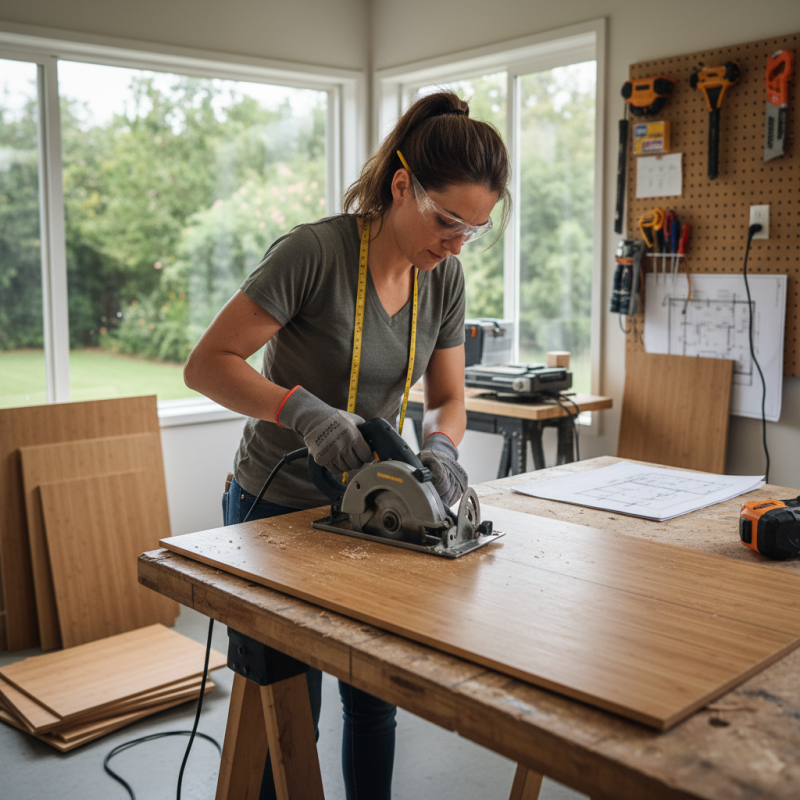
Choosing the right tools for cutting bamboo wood fiber wall panels is crucial for any home project. These panels are durable and eco-friendly, making them popular in modern design. Research reveals that bamboo wood fibers offer about 20% more tensile strength than standard hardwoods. This strength means you need appropriate cutting tools to ensure clean cuts.
A sturdy circular saw is often the best choice. It's efficient for long, straight cuts. Using a fine-tooth blade reduces splintering. For more intricate designs, consider a jigsaw. It provides versatility for curves and angles. However, maintain a steady hand, as the flexibility of the panel can lead to unintended slips.
Tip: Always wear safety goggles and a mask while cutting. Bamboo dust can be irritating. You might also consider clamping the panel down securely. This will prevent movement during cutting, enhancing accuracy. Remember, even with the best tools, practice is key. You may need to refine your technique through trial and error. Perfecting your cutting technique will save you time and materials in the long run.
: A clean and organized workspace enhances safety and efficiency, reducing the risk of accidents.
Essential tools include a fine-toothed saw, clamps for securing panels, and safety goggles.
Ensure bright lighting in your workspace to see cutting lines clearly and avoid mistakes.
Use a carpenter's square and mark measurements lightly with a pencil for corrections.
It's advisable to measure thrice to ensure accuracy and minimize waste.
Unique grain patterns in bamboo may affect cutting; be mindful during your measurements.
A cutting guide, made from scrap materials, helps maintain consistency across multiple cuts.
Reevaluate your technique. Mistakes can reveal areas for improvement in future projects.
Rushing can lead to uneven edges or damage. Reflection on the process helps enhance skills.
Ensure there are no obstructions and maintain a level cutting surface to avoid accidents.
If you're looking to learn how to cut bamboo wood fiber wall panels at home, this guide provides a comprehensive approach to ensure successful and safe cutting. Start by choosing the right tools, which are essential for achieving clean cuts and maintaining safety during the process. Next, prepare a dedicated workspace that allows for efficient maneuvering and minimizes risks.
Accurate measurements and precise markings are crucial for cutting bamboo panels correctly, so take your time to measure before making any cuts. Employ various cutting techniques to enhance precision and reduce splintering. Finally, pay attention to finishing the edges and cleaning up after your work, ensuring the final product is visually appealing and ready for installation. With these steps, you can confidently tackle your bamboo wall panel project at home.

 Haven Decoration