Why Can't I Put Heavy Furniture on SPC Flooring?

Time:2026-05-13 Author:Henry
0%

When considering flooring options, SPC (Stone Plastic Composite) flooring has gained popularity for its durability and aesthetic appeal. However, many homeowners wonder, "can I put heavy furniture on spc flooring?" This question arises from concerns about the flooring's ability to support weight without damage. Heavy furniture can exert significant pressure, leading to potential indentations or stress on the flooring surface.

SPC flooring is designed to withstand typical household use. However, the impact of heavy items can vary based on the flooring thickness and weight distribution. If furniture legs are small or concentrated in one area, the risk increases. It's important to consider how heavy objects can alter your flooring over time. Choosing furniture wisely is crucial to maintaining the integrity of your SPC floor.

Investing in protective measures can help preserve your flooring. Using furniture pads or coasters can distribute weight more evenly. Ultimately, while you might be able to place heavy furniture on SPC flooring, careful consideration is essential. Understanding your flooring's limits will help you make informed choices for your home.
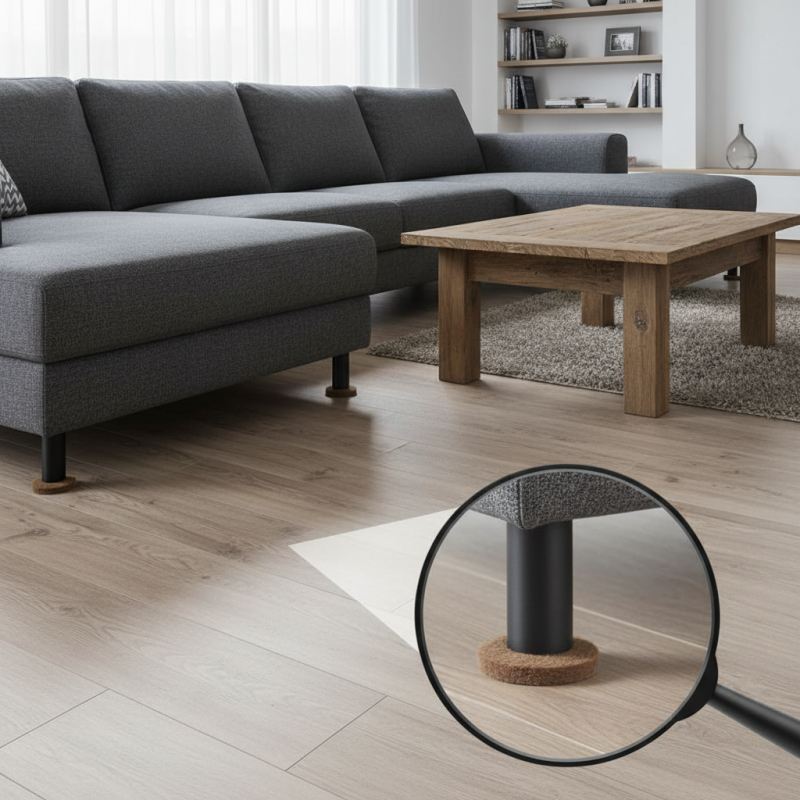
Why Can't I Put Heavy Furniture on SPC Flooring?

Understanding SPC Flooring: Composition and Characteristics

SPC flooring, or Stone Plastic Composite flooring, is gaining popularity for its durability and aesthetic appeal. Its composition involves a core made of limestone powder, polyvinyl chloride, and stabilizers. This unique blend offers a balance between strength and flexibility. A report by the Resilient Floor Covering Institute states that SPC flooring has a high impact resistance and can withstand heavy foot traffic.

However, placing heavy furniture on SPC flooring can lead to issues. While the material is robust, it may not handle the concentrated weight of heavy items well. Over time, this can cause indentations or warping. Data from the Flooring Association suggests that flat-bottomed furniture distributes weight evenly. Still, those sharp-edged or small feet can create pressure points that damage the floor.

It's essential to be mindful of these characteristics when considering furniture placement. Understanding the limitations of SPC flooring can save homeowners from costly repairs. Adjusting furniture with pads can help mitigate some risks, but there remains the potential for wear and tear. Choosing lighter options for furnishings may lead to a longer-lasting floor.

The Impact of Heavy Furniture on SPC Flooring Durability

SPC flooring, known for its durability, has limitations when it comes to heavy furniture. The core structure of SPC is a blend of vinyl and limestone, resulting in a sturdy surface. However, excessive weight over prolonged periods can lead to indentation. Such damages can compromise the floor's overall appearance and lifespan.

Heavy furniture can create pressure points. These points can lead to permanent marks on the floor. It is crucial to distribute the weight of your furniture evenly. Using furniture pads or coasters can help mitigate damage. Even so, many people overlook the importance of proper furniture management. They might place items without considering the weight distribution.

A thoughtful approach to placement can extend the life of your SPC flooring. Consider lighter alternatives where possible. Over time, heavy items can diminish the elegance of your floor. Choosing to rearrange furniture regularly can help keep your SPC in top condition.

Potential Damage from Excessive Weight on SPC Flooring

SPC flooring, or Stone Plastic Composite flooring, is a popular choice in modern homes due to its durability and aesthetic appeal. However, placing heavy furniture on SPC flooring can lead to significant issues. According to industry research, excessive weight can cause structural damage, impacting not only the flooring but also the subfloor beneath.

Weight limits for SPC flooring are typically around 500 pounds per square foot. Placing items heavier than this can result in indentations or even cracks. It’s also crucial to consider the distribution of weight. For instance, using furniture with wide bases can help distribute weight evenly, protecting the flooring underneath. However, smaller, concentrated weight loads can amplify pressure, increasing the risk of damage.

Reports indicate that improper use of heavy furniture on SPC floors can shorten the lifespan of the flooring. Maintenance and repair can become costly if damage occurs. Homeowners might overlook these risks, thinking that SPC's resilience includes heavy loads. Awareness of these limitations is vital for preserving the integrity of the flooring and ensuring a long-lasting installation.

Best Practices for Placing Heavy Items on SPC Flooring

When placing heavy furniture on SPC flooring, several best practices can help preserve its integrity. SPC, or Stone Plastic Composite, is a sturdy flooring option, but excess weight can lead to permanent damage. It is essential to distribute the weight evenly across the surface to reduce pressure points. Add protective pads or furniture sliders beneath heavy items. This can help absorb shock and prevent scratches. Consider using a soft area rug underneath, as it can also cushion the load.

Keep in mind, some furniture types are more problematic than others. For instance, a solid wooden cabinet may exert more pressure than a lighter piece. It’s crucial to assess not just the weight but also the footprint of each item. Heavy items with small bases can create significant stress on the flooring. Make sure to evaluate the entire room layout before making a decision. Reflecting on furniture placement may prevent future issues. Sometimes, a different arrangement may feel more spacious and less daunting for your flooring.

Alternatives to Heavy Furniture on SPC Flooring Solutions

SPC flooring is known for its durability and resistance to moisture. However, placing heavy furniture on it can lead to potential damage. The weight of heavy items can cause dents, scratches, or even warping. This flooring material is designed to withstand everyday use but not excessive pressure.

For those who want to avoid issues, consider alternatives such as lightweight furniture. Many manufacturers now provide stylish, durable options that don't compromise aesthetics. Options like aluminum chairs or composite tables maintain beauty without overwhelming the flooring. Studies suggest that using lighter furniture can increase the lifespan of flooring by up to 30%.

Another solution is to use furniture coasters or pads. These simple tools distribute weight evenly and reduce the risk of damage. Reports show that using protective pads can significantly lower the chances of floor scratches. Reflections on your choices are essential. Rethinking heavy furniture placement can save costly repairs down the line.

Why Can't I Put Heavy Furniture on SPC Flooring? - Alternatives to Heavy Furniture on SPC Flooring Solutions

Furniture Type Weight (lbs) Impact on SPC Flooring Alternative Suggestions
Sofa 200 Can cause dents and scratches Use lighter furniture or place on area rugs
Dining Table 150 May lead to indentation Consider folding tables or lightweight options
Bookshelf 120 Can tip over if not secured Wall-mounted options
Bed Frame 250 Excessive weight can lead to damage Platform beds with lower weight
Recliner 175 May leave marks on the floor Choose a lightweight reclining option

FAQS

: What happens if I place heavy furniture on SPC flooring?

: Heavy furniture can lead to indentation and pressure points on SPC flooring, damaging its appearance and lifespan.

How can I protect my SPC flooring from heavy furniture?

Use furniture pads or coasters to distribute weight evenly and reduce damage.

Is it better to use lightweight furniture on SPC flooring?

Yes, lightweight furniture options help maintain flooring integrity and can extend its lifespan by up to 30%.

What are signs of damage on SPC flooring?

Indentation, scratches, and permanent marks indicate damage from heavy furniture.

How often should I arrange my furniture on SPC flooring?

Regularly rearranging furniture can help keep the SPC in top condition and avoid prolonged pressure.

Can I use heavy furniture if I take precautions?

Yes, but it's essential to be mindful of weight distribution and use protective measures.

What are some alternative materials for furniture?

Consider aluminum chairs or composite tables that offer style without excessive weight.

Are there specific products to protect SPC flooring?

Yes, furniture coasters and pads are effective tools to minimize scratches and pressure damage.

Why is furniture placement important?

Thoughtful placement can prevent damage and maintain the elegance and longevity of your SPC flooring.

What should I reflect on regarding my furniture choices?

It's important to rethink heavy furniture usage, as it can lead to costly repairs over time.

Conclusion

SPC (Stone Plastic Composite) flooring is known for its durability and water resistance, making it a popular choice in modern interiors. However, many homeowners wonder, "can I put heavy furniture on SPC flooring?" While SPC flooring can handle moderate weight, excessive pressure from heavy furniture can compromise its integrity and lead to potential damage, such as dents or warping. It’s essential to consider the composition and characteristics of SPC flooring, as prolonged exposure to heavy items can affect its longevity.

To protect your investment, best practices include using furniture coasters or pads to distribute weight and avoid placing extremely heavy items directly on the floor. If heavy furniture is unavoidable, exploring alternatives, such as lightweight furniture options, can help maintain your SPC flooring in optimal condition without risking damage. Being mindful of these considerations can ensure that your SPC flooring remains both functional and aesthetically pleasing for years to come.

Henry

Henry

Henry is a dedicated marketing professional with a profound expertise in the company's offerings. With years of experience in the industry, he possesses an impressive understanding of the market dynamics and consumer behaviors that drive success. Henry is committed to sharing his insights through......