Installing a WPC fluted wall panel can transform any space, but what if your walls are uneven? Many homeowners face this challenge. Understanding how to install WPC fluted wall panel on uneven walls is crucial for achieving a polished finish. Uneven surfaces can lead to gaps and misalignment, resulting in unsatisfactory results.
Before diving into the installation process, it’s important to assess the wall condition. Measure the unevenness accurately. Consider using a leveling tool for better precision. This awareness will help identify where adjustments are needed. Sometimes, minor imperfections can be addressed easily, while others may require professional assistance.
Being experienced in DIY projects is great, but tackling uneven walls can be daunting. Mistakes happen, and that’s okay. Re-evaluating your approach is key. Utilize shims or adhesive methods to compensate for imperfections. It may take time to perfect the installation technique, but the end result will be worth the effort. With patience and the right strategies, you can successfully enhance your space.
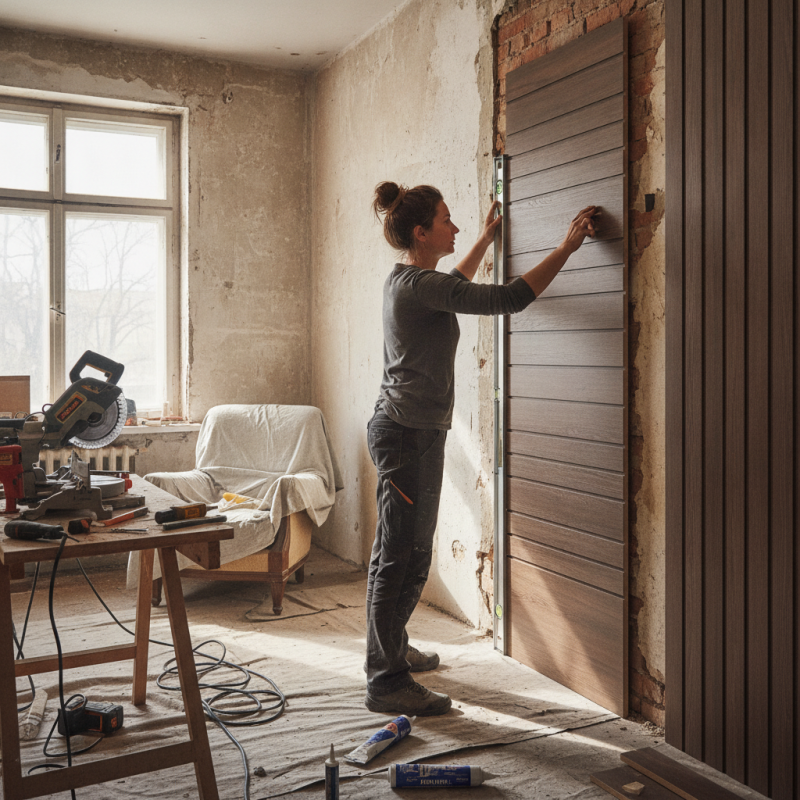
Preparing the Wall Surface for WPC Fluted Panel Installation
Preparing your wall surface for WPC fluted panel installation is crucial for a successful project. Start by assessing the current condition of your walls. Look for any visible damage, such as cracks or holes. Use a patching compound to fill in these imperfections. This ensures a smooth, level surface for the panels.
Next, clean the wall thoroughly. Dust, grease, and grime can interfere with adhesion. A simple solution of soap and water can work wonders. After cleaning, allow the wall to dry completely. If you encounter any stubborn stains, consider using a stronger cleaning solution.
When dealing with uneven walls, you may need to apply leveler or shims. This might require extra time and patience. Rushing through this step can lead to improper panel alignment later. Remember, a well-prepared surface is the key to a polished finish. Ensuring that each panel sits correctly can save you many headaches down the road. Testing the fit of each panel before securing it in place can also be beneficial.
Choosing the Right Tools and Materials for Installation
When installing WPC fluted wall panels, choosing the right tools and materials is crucial. A recent industry report indicated that up to 45% of installation failures are attributed to improper tool selection. Essential tools include a level, a jigsaw, and a power drill. These tools ensure accurate cuts and secure fittings, which are particularly important for uneven walls.
Using quality materials can significantly impact the overall finish. WPC panels should have a durability rating that meets or exceeds industry standards. Look for panels with at least a five-year warranty. In installations on uneven surfaces, it’s beneficial to use shims to achieve level alignment. This method is often overlooked, leading to gaps and uneven surfaces that detract from aesthetic appeal.
It's vital to plan and measure carefully. Even slight errors can become pronounced on uneven walls. For instance, an incorrect measurement of just one inch may result in misalignment along a ten-foot panel. This highlights the need for precision and patience during installation. Adopting a meticulous approach can help avoid the common pitfalls in the process.
Measuring and Cutting WPC Panels to Fit Uneven Walls
When dealing with uneven walls, measuring and cutting WPC fluted panels requires precision. Start by assessing the wall condition. Many homes exhibit wall imperfections. According to industry reports, nearly 70% of houses have some level of wall unevenness. This can impact how wall panels fit, leading to gaps or misalignment.
Begin by measuring the wall height and width accurately. Use a leveling tool for best results. Mark the spots where the panels will need trimming. It’s essential to take your time with this step. Inconsistent measurements can lead to wasted materials and additional costs. Opt for a fine-toothed saw for cutting, which provides cleaner edges. Remember, slight deviations may require further adjustments, so anticipate the need for touch-ups.
Tip: Always wear protective gear when cutting panels. Safety should not be overlooked. Another useful tip is to start with the largest panel first. This helps in managing smaller cuts afterward, simplifying the installation process. Be cautious of how panels overlap. Sometimes, an imperfect fit at one end can cause issues at the other. Embrace these challenges as part of the learning experience in your DIY project.
Securing WPC Panels on Uneven Surfaces Effectively
When securing WPC fluted wall panels on uneven surfaces, preparation is crucial. Assess the wall's condition before you begin. A level is needed to identify high and low points. Mark these areas clearly. You may need to sand down high spots for a smoother finish. Let’s not forget that some imperfections might remain, requiring patience.
Adhesive selection plays a significant role in this process. Use a high-quality construction adhesive that can accommodate slight shifts. Apply it generously to ensure a strong bond. For stability, consider using screws or wall anchors, especially in lower sections. It’s essential to drill pilot holes to prevent the wood from splitting. However, misalignment can occur, so check each panel frequently against a level during installation.
Finally, finishing touches can’t be overlooked. Fill in gaps with caulk for a polished look. Sometimes, these gaps may not entirely vanish. It's okay; they can add character to your installation. Regular inspections after installation are important. Uneven surfaces might cause future shifts, and being proactive can help maintain the overall integrity of your wall panels.
Finishing Touches and Maintenance for Installed WPC Panels
Maintaining WPC fluted wall panels involves specific care practices to ensure longevity and aesthetic appeal. Regular cleaning is essential. Keeping the surface free from dust and grime can prevent deterioration. Use a mild detergent mixed with water. Avoid abrasive cleaners, as they may damage the panels. Research indicates that proper cleaning can extend the life of WPC materials by 20% (Wood Plastic Composites Market Report, 2022).
In addition to routine cleaning, inspect the panels for any signs of wear or damage every few months. This helps to catch issues early. Minor scratches or dents may be repairable with a tough touch-up paint. However, more severe damage may require panel replacement. According to studies, WPC panels have a lifespan of about 25 years with the right maintenance approach (Durability of Wood-Plastic Composites, 2023).
Environmental factors play a significant role. UV exposure can fade colors over time. It's advisable to apply a UV-resistant coating if the panels are in direct sunlight. Humidity and temperature variations can also impact the panels. A consistent indoor climate can help maintain their integrity. While WPC panels are durable, they are not immune to imperfections, and awareness of their limitations is vital for optimal maintenance.
FAQS
: Start by assessing for damage, then fill in cracks and holes with a patching compound. Clean the wall thoroughly to remove dust and grease.
A simple soap and water solution works well. For stubborn stains, consider a stronger cleaning solution.
Use leveler or shims to improve the surface. This takes time but is essential for proper alignment.
Improper tools can lead to installation failures. Essential tools include a level, jigsaw, and power drill for accurate cuts.
Test the fit of each panel before securing it in place. This avoids misalignment and minimizes future headaches.
A high-quality construction adhesive allows for some movement, ensuring a strong bond. Apply it generously for better adhesion.
Use screws or wall anchors for stability and drill pilot holes to prevent splitting. Check alignment with a level frequently.
Fill gaps with caulk for a polished look. Don’t worry if some gaps remain; they can add character to the installation.
Conduct regular inspections to monitor the panels. Uneven surfaces may cause future shifts, so be proactive in maintenance.
Conclusion
Installing WPC fluted wall panels on uneven walls can be a straightforward process if approached methodically. The first step is preparing the wall surface by ensuring it is clean and free of debris, which helps in achieving a better adhesion of the panels. Next, selecting the right tools and materials is crucial for a successful installation. Accurate measuring and cutting of the WPC panels will allow them to fit seamlessly against the uneven surfaces.
Once the panels are cut, securing them effectively is essential to ensure durability and alignment. This may involve using adhesives, screws, or a combination of both, depending on the wall's condition. Finally, adding finishing touches, such as trim or touch-up paint, enhances the aesthetic appeal of the installation. By following these steps, anyone can learn how to install WPC fluted wall panel on uneven walls easily, transforming their space with style and efficiency.

 Haven Decoration