Maintaining bamboo fiber panels in humid climates is crucial for their longevity. These panels offer a sustainable choice for various applications. However, their performance can be significantly affected by moisture.
Understanding how to maintain bamboo fiber panels in humid climates is essential for homeowners and builders. Humidity can lead to mold growth and warping. Regular cleaning and monitoring for damage can prevent these issues. Also, using protective coatings helps in keeping moisture at bay.
Incorporating proper ventilation can further enhance the durability of bamboo panels. Ensuring they are not in direct contact with water is vital. While these measures seem straightforward, they require consistent effort and attention. Overlooking these aspects might lead to costly repairs or replacements in the future. Reflect on your practices to ensure the best outcomes for your bamboo fiber panels.
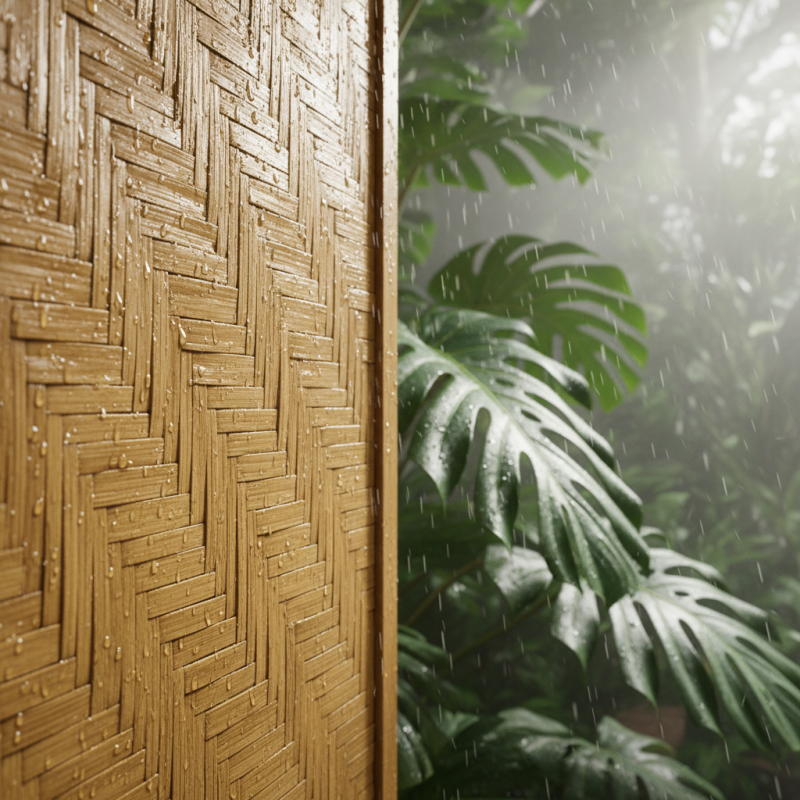
Maintaining bamboo fiber panels in humid climates is crucial for longevity and performance. Humidity can lead to mold and mildew growth. According to a report by the International Bamboo and Rattan Organization, bamboo’s natural properties make it susceptible to water retention. Without proper maintenance, this can compromise the structural integrity of the panels.
Regular inspection and cleaning are essential. Dust and moisture can accumulate, providing a breeding ground for unwanted microorganisms. A study from the Journal of Sustainable Building Materials noted that untreated bamboo can lose up to 30% of its tensile strength in high-humidity environments. Applying a protective sealant periodically can help mitigate this risk. Ensuring panels are not directly exposed to water can also enhance their durability.
Even with the best practices, wear and tear can occur over time. It’s common to notice small fractures or changes in color. Environmental conditions play a significant role in how these panels age. Documenting any changes and addressing them promptly can prevent bigger issues. Awareness and proactive maintenance are key in preserving the beauty and functionality of bamboo fiber panels.
Humidity can significantly impact bamboo fiber panels. In humid climates, these panels can absorb moisture. This can lead to issues such as warping, swelling, or mold growth. Bamboo, while durable, is not completely immune to moisture. Consistent dampness can compromise its structural integrity over time.
Proper maintenance is essential. Regular cleaning can prevent buildup that traps moisture. Using sealants can also help protect panels from excessive humidity. However, these solutions are not foolproof. Even with care, unforeseen problems may arise. It’s vital to regularly inspect the panels for signs of damage.
Understanding the unique properties of bamboo fiber is crucial. Its natural properties can offer resilience, but these come with limitations. Keeping the environment as dry as possible can prolong the life of bamboo panels. However, a balance is needed; over-treatment could lead to other issues. Regular evaluation and adaptation in maintenance practices are key to ensuring their durability in challenging climates.
Maintaining bamboo fiber panels in humid climates is crucial. High humidity can lead to swelling, warping, and mold if not managed properly. Recommended practices focus on prevention and regular upkeep.
Regular inspections are vital. Check for any signs of moisture damage. Look for discoloration or soft spots. This can indicate deeper issues. Cleaning the panels with a damp cloth can remove dust. Use a mild detergent for stubborn stains. Avoid excessive water, as it can seep into the fibers.
Applying a protective sealant every few years enhances durability. A study by the American Bamboo Society highlights that treated panels can resist moisture better. Proper ventilation is key. Ensure areas with bamboo panels are well-ventilated. This reduces humidity levels around the panels. Engaging with local experts can provide tailored advice. Balancing maintenance is essential; neglect can lead to costly repairs.
In humid climates, bamboo fiber panels can be prone to specific damage. High humidity can lead to mold growth, which is a common problem. A study by the Journal of Building Biology found that 60% of bamboo products showed signs of mold in moist conditions. Mold not only affects appearance but can weaken the material's structure.
Another issue to monitor is warping. Excess moisture can cause bamboo panels to expand and shift. This can lead to cracks and structural instability. The National Institute of Standards and Technology (NIST) notes that wood-based products tend to absorb moisture differently, making them vulnerable in humid environments. Look for uneven edges or misalignment in your panels, as these can indicate warping.
Additionally, discoloration is a sign of potential damage. Prolonged exposure to humidity can lead to fading or dark spots. This can change the overall aesthetic of your space. Paying attention to these signs in bamboo panels is essential. Regular checks can help prevent further damage, allowing you to maintain the integrity of your installations.
Maintaining bamboo fiber panels in humid climates is essential for their longevity and performance. Research indicates that humidity can lead to moisture absorption in bamboo materials, potentially causing warping or mold growth. A report from the International Journal of Bamboo and Rattan revealed that properly maintained bamboo products can last up to 25 years, compared to just 10 years for poorly maintained options. This significant difference underscores the importance of regular upkeep.
Regular maintenance involves treating panels with moisture-resistant sealants. Moreover, maintaining optimal indoor humidity levels between 40-60% helps mitigate excess moisture. An analysis shows that environments exceeding 65% humidity can reduce the structural integrity of bamboo panels by 30%. These numbers emphasize a proactive approach to care. Ignoring this can lead to costly replacements and repairs.
Furthermore, cleaning procedures matter. Using gentle, non-abrasive cleaners is crucial to avoid damaging the natural fibers. Industry experts suggest a deep clean every six months. However, many overlook this aspect, leading to a degradation of the bamboo aesthetic and strength. It’s vital to recognize that while bamboo is resilient, it requires our attention. Addressing maintenance needs can significantly enhance performance and appearance.
: Maintenance prevents issues like swelling, warping, and mold. High humidity can worsen these problems without proper care.
Check for moisture damage signs such as discoloration, soft spots, or uneven edges. These can indicate deeper issues.
Use a damp cloth and mild detergent for stubborn stains. Avoid excessive water to prevent it from seeping into fibers.
Applying sealants every few years enhances durability. This helps panels resist moisture better in humid conditions.
Keeping indoor humidity between 40-60% mitigates excess moisture, while levels above 65% can damage the panels’ integrity.
Look for dark spots or a musty smell. Mold not only affects appearance but can also weaken the panels structurally.
Proper upkeep can help bamboo products last up to 25 years, unlike poorly maintained options which may only last 10 years.
Use gentle, non-abrasive cleaners. Avoid harsh chemicals that can damage the natural fibers of the bamboo.
Ignoring maintenance can lead to costly repairs and replacements. Regular checks are essential for maintaining performance and appearance.
Good ventilation reduces humidity levels around the panels, preventing moisture-related issues and ensuring longer durability.
Maintaining bamboo fiber panels in humid climates is crucial to ensure their longevity and performance. High humidity can lead to issues such as mold growth, warping, and structural weakening. Understanding the effects of humidity on these panels allows for the implementation of effective maintenance practices. It is essential to regularly inspect for signs of damage, such as discoloration or a musty smell, which can indicate moisture-related problems.
To learn how to maintain bamboo fiber panels in humid climates, homeowners should focus on adequate ventilation, regular cleaning, and applying protective coatings. These practices not only help in preserving the aesthetic appeal of the bamboo but also enhance its durability. Overall, proper maintenance translates into long-term benefits, ensuring that bamboo products remain functional and visually appealing, even in challenging humid conditions.

Haven Decoration