Why Is My Outdoor Decking Fading So Fast in 2026?

Time:2026-04-07 Author:Amelia
0%

Are you puzzled by the question, "why is my outdoor decking fading so fast"? Many homeowners face this issue, especially in 2026. The sun's rays can wreak havoc on wood and composite materials. Increased UV exposure accelerates fading, often leaving decks looking worn and dull.

Environmental factors also play a significant role. Pollution, weather patterns, and moisture can negatively impact your decking's lifespan. If your deck is exposed to heavy rain or humidity, fading may occur more rapidly. Neglecting maintenance can heighten these issues, resulting in unsightly surfaces that require frequent refinishing.

Understanding the root causes is essential for effective solutions. A proactive approach can help preserve your deck's beauty. Consider regular cleaning and applying protective sealants. These steps may improve appearance and longevity. Remember, awareness is key in addressing fading issues before they become overwhelming.
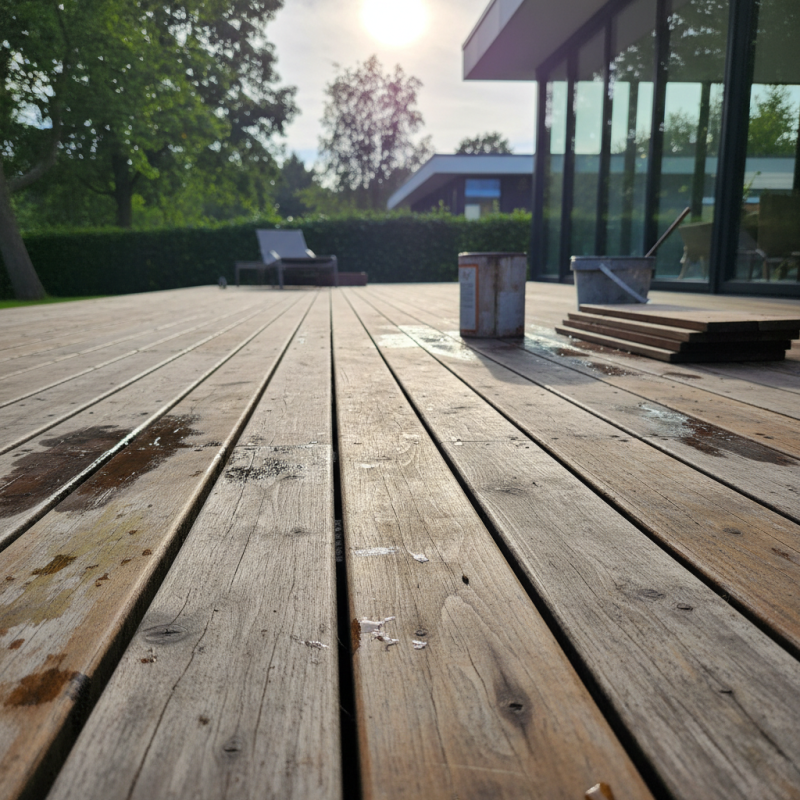
Why Is My Outdoor Decking Fading So Fast in 2026?

What Causes Outdoor Decking to Fade: An Overview of Factors

Outdoor decking can fade rapidly due to a variety of environmental factors. UV radiation from sunlight is a primary culprit. It breaks down the pigments in deck materials, leading to discoloration. According to industry reports, up to 70% of color loss occurs in the first two years of exposure. This is significant for homeowners who invest in decking, as fading can diminish aesthetic appeal.

Moisture also plays a major role in fading. Rain and dew can cause wood to swell and contract, which can accelerate color loss. Furthermore, the presence of mold and mildew can lead to further degradation. A study by the National Wood Flooring Association notes that moisture levels above 20% can double the rate of fading. This emphasizes the need for regular maintenance and protective sealants.

Another factor is the quality of materials. Cheaper decking options may fade faster than higher-quality alternatives. Research shows that premium composite materials resist fading better than standard wood. This variance underscores the importance of informed decision-making when selecting decking products. There’s a need for reflection on how proper care and material choice can influence longevity and appearance.

Material Differences: Wood vs. Composite Decking Longevity Data

When considering outdoor decking materials, the longevity of wood versus composite decking is crucial. Data shows that traditional wood decking can begin to fade significantly within just a few months of exposure to UV rays. A study by the American Wood Council found that untreated wood fades 30% within the first year. This deterioration can lead to a need for more frequent maintenance.

In contrast, composite decking typically offers superior fade resistance. According to the North American Deck and Railing Association, high-quality composites show only a 10% fade in the first five years. This durability is linked to UV inhibitors in composite materials. These additives help retain color over time, while wood requires regular sealing or staining to prevent fading and damage.

However, even composites are not entirely immune. Some lower-quality composite products can show signs of fading. A recent industry report indicated a 15% fade in cheaper composite options after just three years. Homeowners must research materials thoroughly. Factors such as warranty coverage, manufacturer specifications, and real-life user experiences are essential. Thus, choosing the right decking material involves understanding both aesthetic longevity and practical upkeep.

UV Radiation Exposure and Its Impact on Decking Color Retention

Outdoor decking is a beautiful addition to any home, but many homeowners notice it fades quickly. One major culprit is UV radiation. In 2026, intense sunlight can degrade certain materials more rapidly. Decking without UV protection fades noticeably after just a few months. This leads to a less aesthetic appearance, making your outdoor area less inviting.

Many might overlook the long-term effects of sun exposure on their decking. Wood, composite, and other materials all react differently to UV light. Wood decking can develop a grayish tone, while composites may lose their vibrant colors. After time, the surface may also become rough, indicating wear and tear. Noticing these changes early can help in deciding maintenance measures.

Using protective coatings may slow down this fading process. However, not all coatings are equally effective against UV rays. Homeowners must research options thoroughly. Investing in quality products can extend the life of decking. Consistent maintenance routines are crucial. Neglecting your outdoor space can lead to more significant problems down the road. Reflection on these points can inform better choices for outdoor living spaces.

Environmental Factors: Moisture, Temperature, and Fading Rates

Outdoor decking fades quickly due to several environmental factors, with moisture playing a key role. When rainfall soaks the wood or composite material repeatedly, it causes swelling and shrinking. This constant change weakens the decking’s surface over time, leading to faster color loss. High humidity worsens this effect by allowing mold and mildew to develop, which dulls the deck’s appearance even more.

Temperature swings also contribute significantly to fading rates. Intense sunlight heats the decking during the day, then cold nights cool it rapidly. This thermal expansion and contraction stress the material, causing micro-cracks. These cracks let UV rays penetrate deeper, breaking down pigments and accelerating fading. Areas exposed to more direct sunlight show discoloration unevenly, revealing poorly protected spots.

One often overlooked detail is the combination of moisture and temperature together. Wet surfaces exposed to UV degrade faster than dry ones. Rapid drying after rain doesn’t always happen, especially in shaded or poorly ventilated places. This slow drying traps moisture inside, intensifying damage. Regular inspection of these conditions is crucial to understand why your decking might look worse than expected, even if it has proper treatment.

Why Is My Outdoor Decking Fading So Fast in 2026? - Environmental Factors: Moisture, Temperature, and Fading Rates

Environmental Factor Impact on Fading Rate Optimal Conditions Example Measurement (2026)
Moisture Level High moisture can lead to mold growth and faster degradation 30%-50% Relative Humidity 60% Relative Humidity
Temperature Extreme temperatures increase wear on decking materials 70°F - 85°F (21°C - 29°C) 95°F (35°C)
Sunlight Exposure UV rays can cause significant color fading Partial shade during peak sun hours 6 hours direct sun daily
Wind Speed High winds can exacerbate moisture loss and impact fading Calm winds below 10 mph 15 mph average wind
Pollution Levels High pollution can accelerate coating breakdown Low pollution areas Moderate pollution index

Maintenance Practices to Mitigate Fading in Outdoor Decking

Fading of outdoor decking is a common concern for homeowners. Sun exposure, heavy rainfall, and fluctuating temperatures contribute to premature fading. Utilizing proper maintenance practices can significantly extend the lifespan and appearance of your deck.

Regular cleaning is essential. Dirt and debris can trap moisture, leading to discoloration. Pressure washing can be effective, but be cautious, as too high pressure may damage the boards. Instead, opt for a gentle solution to maintain integrity. Consider a soft bristle brush for stubborn areas.

Applying a protective sealant every few years can help mitigate fading. This acts as a barrier against UV rays and moisture. While some may overlook this step, it truly makes a difference. You might think the natural look is appealing, yet unprotected decking can quickly look worn. Check for areas needing a touch-up. Small actions can yield long-lasting benefits.

FAQS

: What is the main difference in fading between wood and composite decking?

: Traditional wood fades about 30% in the first year, while high-quality composite fades only 10% in five years.

What factors contribute to outdoor decking fading?

Moisture, temperature swings, and UV exposure are key factors that accelerate fading in both wood and composite materials.

How does moisture affect the longevity of decking?

Moisture causes decking to swell and shrink, leading to quicker color loss and potential damage over time.

Can lower-quality composite decking fade?

Yes, cheaper composite products can fade up to 15% within three years, especially when not properly maintained.

What maintenance practices can help prevent fading?

Regular cleaning and applying a protective sealant every few years can significantly extend the lifespan of your decking.

How often should I clean my decking?

Regular cleaning is essential to remove dirt and debris, which can trap moisture and lead to discoloration over time.

Is pressure washing safe for decking?

Pressure washing can be effective but should be done gently to avoid damaging the decking boards.

How important is it to apply a protective sealant?

Applying a sealant can create a barrier against UV rays and moisture, making a noticeable difference in fading prevention.

What happens to decking in shaded or poorly ventilated areas?

Wet decking in these areas may not dry quickly, trapping moisture and intensifying damage and discoloration.

Should I check my decking regularly?

Yes, regular inspections can identify areas needing touch-ups and help maintain the deck’s appearance over time.

Conclusion

In the article titled "Why Is My Outdoor Decking Fading So Fast in 2026?", we explore the various factors contributing to the rapid fading of outdoor decking. Key causes include the material differences between wood and composite decking, with each exhibiting distinct longevity characteristics. UV radiation plays a significant role in color retention, as exposure leads to quicker degradation of pigments in the decking materials. Additionally, environmental factors such as moisture levels and temperature fluctuations further influence fading rates.

To address the question of why is my outdoor decking fading so fast, it is crucial to consider maintenance practices. Regular cleaning and applying protective finishes can mitigate fading, prolonging the aesthetics and lifespan of the deck. Understanding these factors allows homeowners to take proactive steps in preserving their outdoor spaces from rapid deterioration.

Amelia

Amelia

Amelia is a seasoned marketing professional with a wealth of expertise in our company’s core offerings. With an unwavering passion for driving growth and innovation, she plays a pivotal role in shaping our marketing strategies and enhancing brand visibility. A key aspect of her responsibilities......