As homeowners seek aesthetic and functional materials for fireplace surrounds, the question arises: is PU stone wall panel safe for fireplace surrounds? Fire safety is paramount when selecting materials near heat sources. According to the National Fire Protection Association (NFPA), non-combustible materials are crucial in preventing fire hazards.
Polyurethane (PU) stone wall panels are known for their lightweight and realistic appearance. However, industry reports indicate that not all PU materials offer the same level of fire resistance. It's vital to evaluate the specific product certifications, such as ASTM E84, which measures flame spread. Many manufacturers claim compliance, yet independent testing may reveal varying results.
Some consumers report peace of mind with PU panels after installation, citing their versatility in design. However, others question whether these panels truly meet safety standards for intense heat exposure. Understanding this balance of beauty and safety is essential. More research into specific brands and applications can help answer the question clearly: is PU stone wall panel safe for fireplace surrounds?
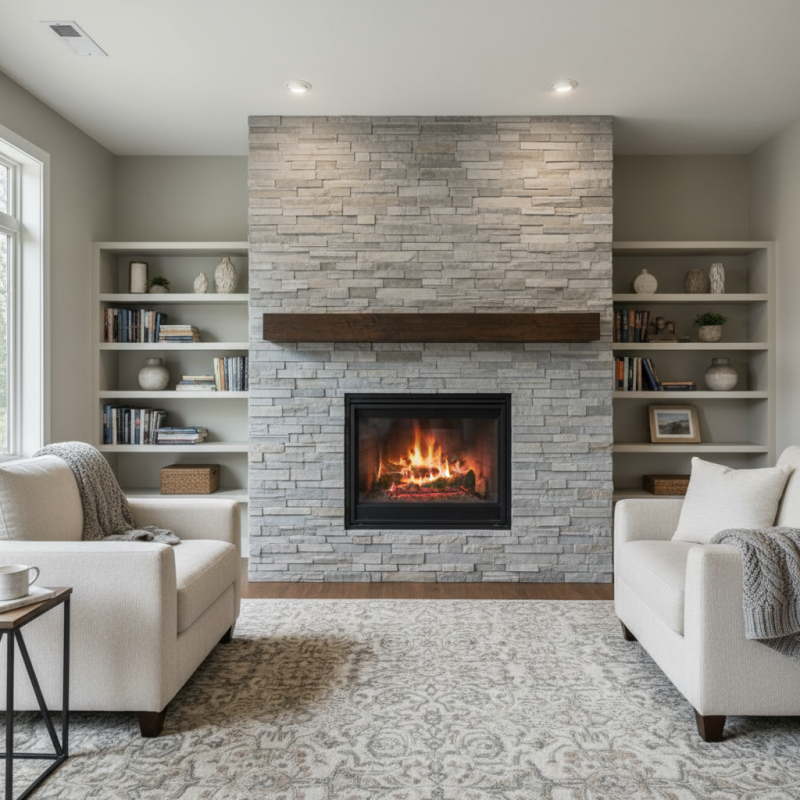
PU stone wall panels are a popular option for creating striking surfaces in homes. These panels mimic the look of real stone but are lightweight and easier to install. Many homeowners use them for accent walls, backsplashes, and even fireplace surrounds. Their versatility and aesthetic appeal make them a go-to choice for stylish interior design.
However, while PU stone panels are attractive, their safety around fireplaces raises concerns. It's crucial to ensure they meet fire safety standards. Materials that can resist heat and flames should be prioritized. Installing them too close to a heat source may lead to risks. Always check local regulations and consult professionals before installation.
Tips for using PU stone wall panels around fireplaces include:
PU stone wall panels have gained popularity for their aesthetic appeal and versatility. When it comes to fireplace surrounds, safety is a primary concern. These panels are often made from polyurethane foam, which can resist heat to a certain degree. However, their performance varies based on the specific product and installation.
Many PU stone panels are tested for fire resistance, but not all panels are equal. Fire ratings can differ significantly, even among similar products. It's crucial to check individual specifications and ensure they meet local building codes. Some panels may require additional heat protection. This aspect is sometimes overlooked during installation, leading to safety risks.
Installation is another critical factor. Proper installation plays a key role in how well these panels perform around heat sources. Gaps, inadequate adhesive, or poor sealing can compromise safety. Homeowners should consult with professionals to ensure the right methods are used. Taking shortcuts can be tempting, but doing so can lead to dangerous consequences. Always prioritize safety when choosing and installing PU stone wall panels around your fireplace.
When considering the safety of PU stone wall panels for fireplace surrounds, it's essential to evaluate their compliance with safety standards. These panels should meet specific criteria to be deemed safe. Materials used in fireplace surrounds must withstand high temperatures and resist ignition. Many manufacturers test their products rigorously, but not all pass these safety assessments.
Fire safety is paramount. The right materials can prevent accidents. PU stone panels can be visually appealing, but how do they perform under heat? While some panels claim heat resistance, this does not guarantee safety. It's crucial to check for certification and test results from reliable sources. This information adds credibility to the product and ensures that it can withstand the demands of a fireplace.
Homeowners must also consider the installation process. Improper installation can compromise safety. Ensure that panels are correctly sealed and secured. Engaging a professional for installation can provide peace of mind. Safety checks after installation are also advised to confirm that everything meets the required safety regulations. An assessment may reveal weaknesses in the setup. Always prioritize safety when choosing materials for fireplace surrounds.
| Material Type | Flame Resistance Rating | Smoke Production | Toxic Emissions | Installation Safety |
|---|---|---|---|---|
| PU Stone Wall Panel | Class B | Low | Non-toxic | Safe with proper installation |
| Natural Stone | Class A | Very Low | Non-toxic | Very safe |
| Fireplace Bricks | Class A | None | Non-toxic | Extremely safe |
| Cement Board | Class A | Low | Non-toxic | Safe |
| Glass Board | Class B | Moderate | Non-toxic | Generally safe |
When considering fireplace surrounds, the choice between PU stone and traditional stone is crucial. PU stone panels are lightweight and easier to install compared to their traditional counterparts. They offer a sleek design and come in various styles. However, they may not have the same durability and heat resistance as real stone.
Traditional stone, while heavier, is more robust. It withstands higher temperatures well. Homeowners might prefer it for its timeless look and substantial presence. The weight can pose installation challenges, but the investment often pays off in terms of longevity.
Safety is a primary concern. PU stone panels can emit harmful gases when exposed to high heat. This factor requires careful consideration for decor choices around fireplaces. Traditional stone has proven performance, making it a reliable option. Reflecting on your specific needs, you might find that these differences significantly impact your decision.
When considering PU stone wall panels for fireplace surrounds, proper maintenance is crucial. These panels can mimic the look of natural stone while providing a lighter and more affordable alternative. However, caring for them requires attention to detail.
Regular cleaning with a soft cloth is essential. Avoid harsh chemicals or abrasive materials, as these can damage the surface. Instead, use a mild soap solution if needed. Dust can accumulate over time, leading to dullness. A simple wipe-down can refresh their appearance. Tips: Keep your fireplace clean to prevent soot build-up.
Inspect the panels periodically for any signs of wear or damage. While PU stone is durable, it is not immune to chips or cracks. Address any issues immediately to maintain the panel's integrity. Tips: Use coasters or protective pads to minimize risks. Remember, neglecting minor issues can lead to costly repairs. Always prioritize care to ensure longevity.
: PU stone wall panels are lightweight panels that mimic the appearance of real stone. They are popular for home interiors.
They are commonly used for accent walls, backsplashes, and fireplace surrounds. Their versatility appeals to many homeowners.
Safety concerns exist. It's important for them to meet fire safety standards and be heat-resistant.
Maintain proper spacing from heat sources and consider using fire retardant adhesive. Regular inspections are also crucial.
Verify that the panels have certifications and test results for heat resistance. Not all manufacturers pass safety assessments.
While not mandatory, professional installation ensures better security and compliance with safety regulations.
Regular inspections for damage or wear are essential. This helps to ensure the panels last longer and remain safe.
Conduct safety checks after installation. Consider hiring an expert to assess whether your setup is solid and safe.
If not properly installed, heat exposure could lead to aesthetic damage. Ensure correct installation for best results.
Address any signs of wear immediately. Ignoring damage could compromise safety and aesthetics.
The article titled "Is PU Stone Wall Panel Safe for Fireplace Surrounds?" explores the safety and suitability of PU stone wall panels in fireplace applications. It begins with an overview of PU stone wall panels, highlighting their aesthetic appeal and lightweight properties, making them a popular choice for decorative uses. The article delves into specific characteristics of PU stone wall panels that are pertinent to their use around fireplaces, such as heat resistance and fire retardant qualities.
Furthermore, it examines the safety standards that materials used in fireplace surrounds must meet, comparing PU stone with traditional stone options. This comparative analysis emphasizes the advantages and potential drawbacks of each material in terms of safety and durability. Lastly, the article provides maintenance and care guidelines for PU stone wall surrounds, ensuring that users can maintain both safety and appearance. Overall, the article seeks to answer the critical question: "Is PU stone wall panel safe for fireplace surrounds?" by synthesizing these insights into a comprehensive evaluation.

Haven Decoration