The quest for modern building materials often leads to the question: is soft stone cladding suitable for high-rise building exteriors? This material has gained attention in architectural circles due to its aesthetic appeal. Soft stone can create a visually striking facade, enhancing the building’s overall allure. However, considerations extend beyond beauty. The durability and performance of soft stone in urban environments remain critical factors.
When exposed to harsh weather conditions, is soft stone cladding resilient enough? High-rise buildings face unique challenges, such as wind pressure and temperature fluctuations. Engineers and architects must weigh these factors carefully. While soft stone offers a warm, natural appearance, it may require additional treatment to ensure longevity. The risk of cracking or weathering is a valid concern.
Soft stone cladding could be a double-edged sword. Its benefits include thermal insulation and acoustic properties. Yet, maintenance issues need attention. The decision to use soft stone for high-rise structures demands extensive research and expertise. Understanding these complexities is essential for a successful implementation.
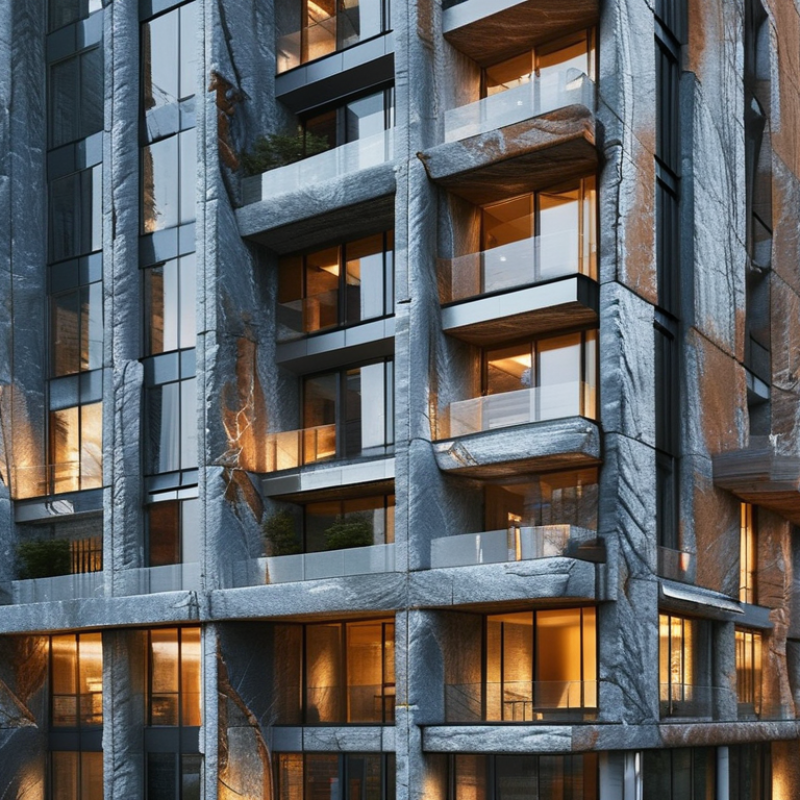
Soft stone cladding has gained popularity in modern architecture, especially for high-rise buildings. This type of cladding includes materials like limestone, marble, and sandstone. Each stone type offers unique aesthetics and durability. The National Association of Home Builders reported that nearly 20% of commercial buildings utilize stone cladding for its visual appeal and weather resistance.
Limestone, often used in high-rise designs, is prized for its versatility. It’s available in various finishes and textures, giving architects freedom in design. Marble, known for its luxurious look, can sometimes be prone to weathering. Sandstone, while beautiful, can absorb water, leading to potential issues in humid climates. These characteristics highlight the importance of selecting the right stone for specific environments.
Attention to maintenance is crucial. Soft stone cladding can require regular sealing to prevent water infiltration and degradation. Many building owners overlook this need, potentially leading to costly repairs. Education about proper care is essential for extending the lifespan of the cladding. Balancing aesthetics and functionality remains a challenge in high-rise construction.
Soft stone cladding is gaining popularity for high-rise building exteriors. This material offers a unique aesthetic, enhancing the visual appeal of urban landscapes. Many architects opt for soft stone due to its natural textures and colors. These features allow for creative design options that stand out against the city skyline.
One of the main advantages of soft stone cladding is its thermal performance. It helps regulate building temperatures, reducing energy costs. The material also provides good insulation against noise, which is essential in bustling areas. Additionally, soft stone has a natural durability. It withstands weather elements better than many alternatives. However, maintenance can be a concern. Regular care is necessary to prevent discoloration or damage over time.
While soft stone cladding has numerous benefits, there are challenges to consider. Installation requires skilled labor to ensure long-lasting results. Improper installation can lead to issues such as water infiltration or cracking. Therefore, careful planning and execution are vital. Balancing these factors is crucial for achieving a successful high-rise project.
Soft stone cladding has gained popularity for its aesthetic appeal in high-rise buildings. However, installing it on tall structures comes with significant challenges. One of the main concerns is weight. Soft stone is often heavier than other cladding materials. This can lead to structural implications. Engineers must carefully assess building designs to ensure stability.
Another limitation involves moisture. Soft stone can absorb water, making it susceptible to weather damage. In tall buildings, the exposure to wind and rain can exacerbate this issue. Waterproofing measures are essential but can complicate installation. Additionally, maintaining the appearance of soft stone can be difficult. Over time, it may require frequent cleaning and repairs. This adds ongoing costs that developers may not anticipate.
Lastly, soft stone may not provide sufficient insulation for tall buildings. In colder climates, energy efficiency becomes a challenge. Owners may need to invest in additional insulation layers, increasing overall project costs. Despite its beauty, soft stone cladding is not a one-size-fits-all solution for high-rise buildings. Each project must carefully weigh these factors to ensure lasting performance.
When evaluating soft stone cladding against other facade materials for high-rise buildings, several factors must be considered. Soft stone, such as limestone and sandstone, offers a natural aesthetic that many designers appreciate. Its texture and color variations create a unique appearance that can enhance a building's character. However, durability is a key concern. Soft stone may not withstand severe weather conditions as effectively as harder materials like granite or concrete.
Cost is another important consideration. Soft stone can be more expensive to source and install, making projects budget-sensitive. While it provides a timeless look, the ongoing maintenance costs can add up. Many architects prefer materials like glass or metal for modern designs. These options often require less upkeep and are more resilient to environmental impacts.
Sustainability is an area where soft stone shines. It often has a lower carbon footprint compared to synthetic materials. However, sourcing practices can vary widely. This demands a careful evaluation of suppliers to ensure ethical practices. It’s worth noting that while soft stone can impart elegance, its long-term viability will depend on local climate, maintenance plans, and architectural goals. These factors should provoke thoughtful discussions before settling on a cladding choice.
Soft stone cladding can create an elegant look for high-rise buildings. However, its installation requires careful consideration. Using the right type of soft stone is crucial. Some stones may not withstand harsh weather conditions. This could lead to costly repairs in the future.
Proper preparation is key to successful installation. Ensure the surface is clean and free of debris. This will help the adhesive bond effectively. Additionally, precise cutting of the stones is essential. Inaccurate cuts could lead to weak spots or gaps. Regular checks during the installation process can help identify issues early on.
Maintenance also plays a vital role in the longevity of soft stone cladding. Regular cleaning can prevent staining and damage. Some stone types may require sealing to protect against moisture. It’s important to strategize maintenance plans. Skipping these steps can result in a decline in both appearance and performance over time.
This chart represents the increasing trend in the number of high rise building projects utilizing soft stone cladding over the years 2020 to 2023. The data indicates a growing preference for soft stone materials in high-rise constructions, highlighting best practices in installation and design.
: Soft stone cladding is a material used for building exteriors, enhancing aesthetics and adding unique textures.
It helps regulate building temperatures, potentially reducing energy expenses throughout the year.
Regular cleaning and sealing may be necessary to prevent discoloration and damage over time.
Skilled labor is needed to prevent issues like water infiltration or cracking during installation.
While it offers beauty, soft stone may not withstand severe weather as well as harder materials do.
Yes, it typically has a lower carbon footprint compared to synthetic materials, but sourcing must be ethical.
Evaluate local climate, maintenance plans, and architectural goals to ensure long-term viability and appreciation.
No, some stones may not withstand extreme conditions; choosing the right type is crucial for durability.
Improper installation may lead to costly repairs, such as water damage or structural weaknesses.
It can be more costly to source and install, and ongoing maintenance may increase the overall budget.
The article "Is Soft Stone Cladding Ideal for High Rise Building Exteriors?" explores the definition and various types of soft stone cladding utilized in construction, particularly for high-rise buildings. It outlines the advantages of using soft stone, such as its aesthetic appeal and natural insulation properties, which contribute to energy efficiency in tall structures. However, the article also addresses the challenges and limitations associated with soft stone cladding, including its weight and potential maintenance issues in high-rise applications.
Furthermore, a comparative analysis between soft stone cladding and other facade materials is presented, highlighting the strengths and weaknesses of each option. Best practices for installing soft stone cladding on high-rise exteriors are recommended to ensure durability and visual harmony. Ultimately, the question of whether soft stone cladding is suitable for high-rise building exteriors is carefully evaluated, providing insights for architects and builders considering this material in their designs.

Haven Decoration