Are Soft Stone Wall Panels Fireproof for Indoor Use?

Time:2026-08-19 Author:Isabella
0%

When considering interior design, the materials used can significantly impact safety and aesthetics. One material gaining popularity is soft stone wall panels. Homeowners appreciate their unique, natural look. However, a crucial question arises: are soft stone wall panels fireproof for indoor use?

Understanding fire resistance in building materials is essential. Many believe soft stone panels enhance decor while ensuring safety. Yet, the truth is less straightforward. Various products claim to be fire-resistant, but real-world testing often varies.

Research shows that soft stone panels can provide some level of fire resistance. However, this does not guarantee total fireproof qualities. Installers and designers should investigate specific products before integrating them into homes. Reliable testing standards exist, but not all manufacturers adhere to them. Thus, users must approach soft stone panels with caution and seek guidance from experts in fire safety and building regulations.
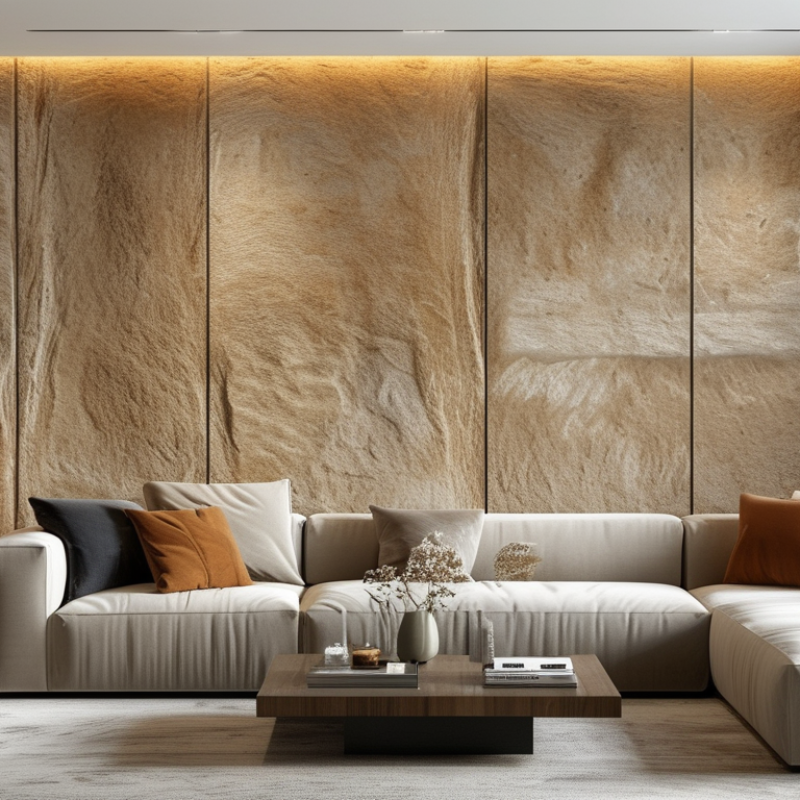
Are Soft Stone Wall Panels Fireproof for Indoor Use?

Understanding Soft Stone Wall Panels and Their Properties

Soft stone wall panels have gained popularity in interior design. They offer a unique aesthetic and a warm, natural look. These panels are often made from materials like limestone and marble, which can enhance any space. However, their properties vary greatly depending on the type of stone used.

Soft stone is not inherently fireproof. Some stones can withstand heat better than others. It's crucial to understand the specific type of material for safety in indoor settings. Installation methods also play a significant role. If panels are not installed correctly, they may present a fire hazard.

Tips for selecting soft stone wall panels include checking the fire rating. Ensure that the product offers relevant certifications. Maintenance is another key aspect; regular cleaning prevents buildup that could affect the material's integrity. Always seek advice from professionals before making decisions.

In any case, consider the environment where these panels will be used. Soft stone may not suit high-fire-risk areas, such as near stoves. Being informed is essential for making the right choice. Familiarize yourself with how to properly maintain these panels to ensure their longevity and safety.

Fire Resistance Comparison of Soft Stone Wall Panels

This chart compares the fire resistance ratings of various wall materials including soft stone wall panels. As illustrated, soft stone wall panels offer a favorable fire resistance rating suitable for indoor use, outpacing traditional materials like plywood and gypsum board.

The Fire Resistance of Soft Stone Materials: An Overview

Fire resistance is essential for building materials, especially in indoor settings. Soft stone wall panels are popular for their aesthetics and durability. However, their fireproof properties can vary significantly depending on the specific type of soft stone used. According to industry reports, many soft stone materials, like certain types of limestone and soapstone, can withstand high temperatures. Some can resist fire for up to 30 minutes, while others may not perform as well.

It is crucial to check fire ratings when choosing soft stone panels. A study by the National Fire Protection Association (NFPA) highlights the importance of understanding material classifications. Soft stones often fall under various fire resistance categories. Knowing whether the wall panels meet local building codes is vital for safety. For instance, granite performs better in fire tests compared to softer alternatives.

While soft stone can enhance a room's aesthetic appeal, their fire resistance might not be sufficient for every situation. Users need to consider individual fire safety needs and potential risks. Sometimes, aesthetic choices can compromise safety. Always evaluate options and seek expert advice on installations. Make sure soft stone wall panels are appropriate for your building’s fire safety standards before making a decision.

Indoor Fire Safety Standards for Wall Paneling

When considering wall paneling options, fire safety is crucial. Many indoor materials fall under specific fire safety standards. These standards often evaluate the materials’ reactions to flames and heat. Soft stone wall panels may provide aesthetic appeal and durability, but their fire resistance merits close examination.

Soft stone panels can vary in composition, and this affects their safety ratings. Some materials may meet fire safety standards, while others do not. It’s essential to check for certifications that confirm their compliance. Panels must withstand flames without rapidly igniting. Those that do not meet the required fire resistance could pose serious risks.

Installation and maintenance further impact safety. Even fire-resistant materials can become compromised if improperly installed. Regular assessments are key to maintaining safety over time. Users must remain vigilant about any signs of wear or damage. Ultimately, informed decisions on materials ensure greater fire safety in indoor environments.

Are Soft Stone Wall Panels Fireproof for Indoor Use? - Indoor Fire Safety Standards for Wall Paneling

Category Material Type Fire Rating Compliance Standards
Natural Stone Granite Class A ASTM E84
Manufactured Stone Cast Stone Class B NFPA 285
Composite Materials Fiber Cement Class A UL 723
Engineered Stone Quartz Class B ISO 1182

Testing Methods for Fireproof Qualities of Wall Panels

When assessing the fireproof qualities of soft stone wall panels, it's essential to use standardized testing methods. Various procedures evaluate the behavior of these materials under extreme heat. One common method involves ASTM E119, which measures the fire-resistance rating of building materials. This test determines how long a material can withstand flames before failing.

Another effective approach is the cone calorimeter test. This method assesses the ignition time and the rate of heat release. By evaluating these factors, professionals can gauge a panel's performance in real-world fire scenarios. Despite various tests, it’s crucial to note that not all soft stone panels achieve the same level of fireproofing. Some may perform well in laboratory conditions but fail in practical applications.

Understanding these tests helps industry professionals make informed choices. Yet, the growing market means that not every product adheres to strict guidelines. Consumers must conduct thorough research. Trustworthy certifications can provide peace of mind, but vigilance is necessary. Fire safety is a serious concern, and even minor oversights can lead to significant consequences.

Benefits and Limitations of Using Soft Stone Panels Indoors

Soft stone wall panels have gained popularity for indoor applications due to their aesthetic appeal and unique texture. Many homeowners and designers are intrigued by these panels, yet they come with certain limitations. According to the National Fire Protection Association (NFPA), not all soft stone panels offer the same level of fire resistance. Some may achieve a Class A rating, which provides better fire safety, while others might not meet these standards. Fire safety remains a critical concern in residential and commercial spaces.

When installing soft stone panels, considering their material properties is essential. A study conducted by the Building Research Establishment identified that certain stones can absorb moisture, leading to potential mold growth. This aspect poses a risk, especially in humid environments. Regular maintenance and proper installation can mitigate these issues. Additionally, the weight of these panels can strain wall structures, requiring careful planning.

Despite these concerns, the aesthetic benefits cannot be ignored. Soft stone panels bring warmth and character to interiors. They provide natural insulation, which can enhance energy efficiency. However, clarity regarding their fire performance is necessary. Failing to address these factors could lead to unintended consequences. Understanding both advantages and drawbacks allows for informed choices in interior design.

FAQS

: What are soft stone wall panels?

: Soft stone wall panels are interior design materials made from stones like limestone and marble. They offer a warm, natural look.

Are soft stone wall panels fireproof?

No, soft stone is not inherently fireproof. Some stones can withstand heat better, but not all provide adequate fire resistance.

How should soft stone wall panels be installed?

Installation must be done correctly. Improper installation can create fire hazards or compromise the panel's integrity.

What should I check when selecting soft stone wall panels?

It's important to check the fire rating and ensure that the product has relevant certifications for safety.

How do I maintain soft stone wall panels?

Regular cleaning is necessary to prevent buildup. This helps maintain the material's integrity and appearance over time.

Where should I avoid using soft stone wall panels?

Avoid high-fire-risk areas like near stoves. Choosing the right environment is crucial for safety and longevity.

What are the aesthetic benefits of soft stone panels?

These panels bring warmth and character indoors. They offer unique textures and natural insulation, enhancing energy efficiency.

Can moisture affect soft stone wall panels?

Yes, some stones can absorb moisture, potentially leading to mold growth. Proper installation helps mitigate these risks.

What should I consider regarding the weight of soft stone panels?

The weight can strain wall structures. Careful planning is necessary to ensure the wall can support the panels properly.

Why is understanding fire performance important?

Clear awareness of fire performance is necessary to prevent unintended safety issues in residential and commercial spaces.

Conclusion

The article titled "Are Soft Stone Wall Panels Fireproof for Indoor Use?" explores the properties and fire resistance of soft stone wall panels, assessing their suitability for indoor applications. The discussion begins with a thorough understanding of soft stone materials, highlighting their natural characteristics and aesthetic appeal. It then delves into the fire resistance of these materials, emphasizing various indoor fire safety standards that wall paneling must meet to ensure safety.

Moreover, the article reviews testing methods used to evaluate the fireproof qualities of wall panels, which provide insight into their performance under fire exposure. While soft stone wall panels offer numerous benefits, such as visual appeal and durability, the article also addresses the limitations associated with their use indoors. Through this examination, it ultimately seeks to answer the critical question: are soft stone wall panels fireproof for indoor use?

Isabella

Isabella

Isabella is a dedicated marketing professional with a sharp focus on driving brand growth and engagement through strategic content creation. With an extensive background in digital marketing, she combines her passion for storytelling with her keen understanding of industry trends to deliver......