As the demand for modern design grows, architects and designers are often faced with unique challenges. One such question that arises is: "Can soft stone wall panels be used on curved surfaces?" This inquiry is more than just a technical issue; it influences aesthetics and functionality in various spaces. Industry expert, Dr. Emily Hart, states, “Curved surfaces require specialized approaches when applying soft stone panels.” Her insight highlights the need for careful consideration in design.
Soft stone wall panels are versatile and popular in both residential and commercial projects. However, their application on curved surfaces may present difficulties. The flexibility of the material plays a significant role in their installation. It’s crucial to assess the specific type of soft stone and its adaptability. Some panels can conform to gentle curves, while others may crack under pressure. This variability underscores the importance of thorough testing and expert advice.
Understanding the potential limitations is essential for achieving beautiful results. In some cases, the end design may fall short of expectations if not planned correctly. It's clear that while soft stone wall panels add elegance, their application on curves requires a blend of creativity and practicality.
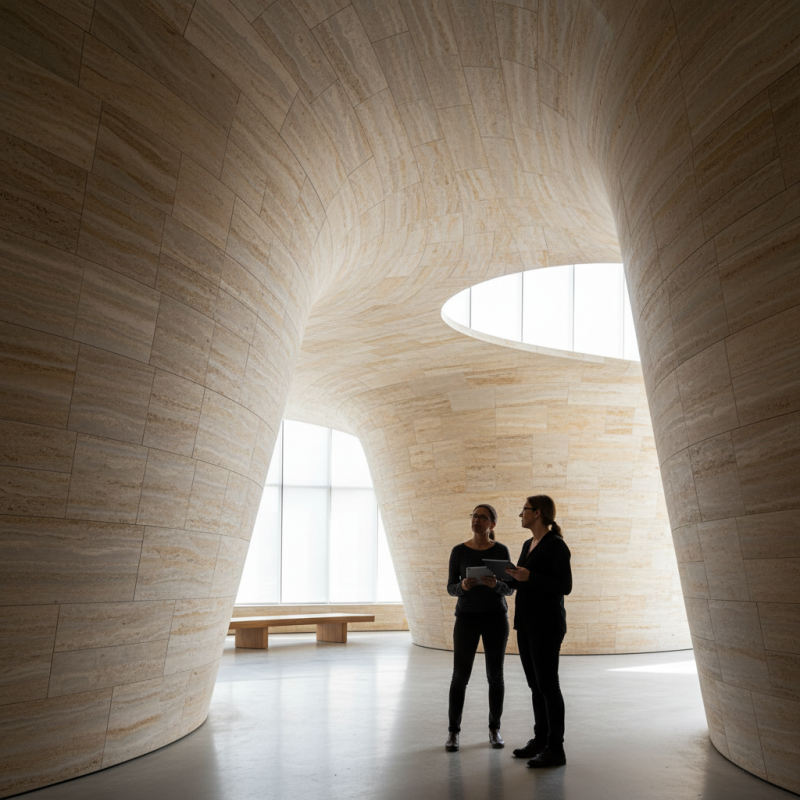
Soft stone wall panels are innovative materials that offer a unique aesthetic. Composed of natural stone particles and eco-friendly resin, they provide an appealing look with a lightweight structure. This makes them easier to handle compared to traditional stone surfaces. The flexibility of these panels allows for creative designs and applications.
When it comes to curved surfaces, the adaptability of soft stone wall panels becomes evident. Their thin profile can conform to various shapes. However, achieving a perfect result may require extra finesse. An uneven surface could lead to visible seams or distortions. Proper installation is crucial to maintain a smooth appearance. Some users might find it challenging to manipulate the panels precisely while on-site.
Choosing the right adhesives and techniques is vital for curved installations. Standard adhesives may lack the strength needed for the unique demands of soft stone. Consulting professionals with experience in curved surface applications can help. Their insights could improve the final look significantly. This exploration shows both potential and limitations of soft stone wall panels in different settings.
Curved surfaces in construction present unique challenges and opportunities. These surfaces can enhance aesthetics and create flow in architectural designs. However, working with curves requires careful planning and the right materials. According to a report by the National Institute of Standards and Technology, approximately 30% of modern buildings incorporate curved elements to improve visual appeal.
Soft stone wall panels can be used on curved surfaces, but specific considerations must be made. The flexibility of the panels is crucial for adapting to curves. Not all materials maintain structural integrity when bent. A study from the American Society of Civil Engineers indicates that improper material selection can lead to cracking and deformation. Understanding how soft stone behaves on curves is essential for successful installation.
Tips: When selecting soft stone wall panels for curved applications, always consult installation guides and conduct small-scale tests. Monitor environmental conditions, as humidity can affect the panel's performance. Regular maintenance checks will help prevent long-term issues, especially on curves that may gather moisture.
Soft stone wall panels have gained popularity due to their aesthetic appeal and versatility. One of the critical questions is their adaptability to curved surfaces. Research suggests that while these panels exhibit certain flexibility, manufacturers' specifications play a significant role in determining their usability on non-linear surfaces.
According to a report by the American Institute of Architects, approximately 70% of designers prefer materials that can seamlessly integrate with unique architectural features. Soft stone panels can be engineered to fit curves, but not all products are suitable. The bending radius must be carefully evaluated. Panels that are too rigid may crack or fail during installation, undermining their longevity and structural integrity.
Field studies indicate that modified soft stone panels can achieve a curvature of up to 60 degrees without compromising aesthetic value. Using proper adhesives and methods is essential for optimal performance. However, a lack of proper installation guidance can lead to failures. In some cases, the end result might not meet the initial expectations. This acknowledgment of potential shortcomings can guide designers towards making more informed choices while considering project specifics.
When it comes to installing soft stone wall panels on curved surfaces, several techniques can ensure a seamless fit. The first step involves careful measurement of the curved area to determine the necessary panel size and shape. According to industry reports, accurate measurements are critical, as they can reduce material waste by up to 15%. This step cannot be overlooked, as any miscalculation will lead to visible gaps or overlapping, which is aesthetically displeasing.
To adapt the panels to a curved surface, the panels must be flexible enough to achieve the desired contour. Many installers recommend heating the panels slightly before installation, as this can enhance flexibility. Additionally, using a strong adhesive is vital when bonding the panels to the surface. Data suggest that the right adhesive can improve longevity by over 20% under varying temperature and humidity conditions. Installers must also be prepared for slight imperfections during the application process. Minor adjustments may be required to achieve optimal alignment, which can sometimes lead to delays in the project timeline.
While the installation process can be challenging, the aesthetic appeal of soft stone wall panels on curved surfaces is undeniable. An expert’s touch is vital for a flawless finish. However, achieving perfection often involves trial and error, including dealing with unforeseen obstacles that arise during the installation. Such experiences can be valuable learning opportunities, highlighting the importance of practical knowledge in this field.
Curved surfaces pose unique challenges when using soft stone wall panels. These panels, often chosen for their aesthetic appeal and natural texture, may require special considerations for installation. Industry reports suggest that soft stone can adhere well to slightly curved surfaces, but extreme curves can lead to complications. For example, a study by the Architectural Stone Institute indicates that panels should be cut with precision to maintain structural integrity on bends.
The benefits of using soft stone on curved areas are notable. Its lightweight nature facilitates easier handling and installation. Additionally, soft stone is less likely to shatter under pressure, making it a safer option in certain applications. However, limitations exist. Proper adhesive selection is critical. A mismatched adhesive can compromise the bond, especially on non-linear surfaces. Furthermore, the stone's natural properties may lead to uneven wear over time, necessitating periodic assessments.
Consequently, when considering soft stone for curved surfaces, it is essential to weigh both its benefits and limitations. Architects and designers should proactively address potential installation challenges. Recognizing these factors can help ensure the longevity and aesthetic value of the final installation.
| Aspect | Benefits | Limitations |
|---|---|---|
| Aesthetic Appeal | Enhances the visual interest of curved walls. | Possible difficulty in achieving a seamless look. |
| Installation Flexibility | Can be adapted to various curve radii with proper techniques. | Requires skilled labor for precise installation. |
| Weight | Provides substantial weight that aids stability. | May require additional structural support for very curved surfaces. |
| Durability | Highly resistant to wear and natural elements. | Can be susceptible to cracking if not installed correctly on tight curves. |
| Maintenance | Easy to clean and maintain under normal conditions. | Stains may require special treatment depending on the stone type. |
: They consist of natural stone particles combined with eco-friendly resin.
Their lightweight structure allows for easy manipulation compared to traditional stone surfaces.
Yes, but careful planning and installation are required for curves to achieve a smooth finish.
Uneven surfaces may result in visible seams or distortions if not installed properly.
It is critical. Standard adhesives may not provide the necessary strength for soft stone.
Regular checks are essential to prevent moisture buildup and ensure longevity.
Yes, improper material selection can lead to cracking or deformation on extreme curves.
Absolutely. They provide essential insights for achieving optimal results.
Its lightweight nature allows for easier handling, and it is generally less prone to shattering.
Yes, uneven wear may occur, requiring periodic assessments to maintain appearance and integrity.
The article titled "Can Soft Stone Wall Panels Be Used on Curved Surfaces?" explores various aspects related to the application of soft stone wall panels in construction, specifically their compatibility with curved surfaces. It begins by detailing the composition and characteristics of soft stone wall panels, highlighting their unique properties that make them a popular choice for interior and exterior designs. The discussion then shifts to the nature of curved surfaces in construction, emphasizing the challenges they present.
The article examines the flexibility of soft stone wall panels and evaluates the techniques available for installing them on curved areas. It addresses both the benefits of using soft stone in these applications—such as aesthetic appeal and lightweight properties—and the limitations, including potential issues with adhesion and structural integrity. Overall, the piece provides a comprehensive overview that answers the question: can soft stone wall panels be used on curved surfaces?
Haven Decoration