SPC flooring has gained immense popularity for its durability and aesthetic appeal. However, many homeowners are puzzled by a common issue: "why does my SPC flooring make clicking sounds when walking?" According to industry expert John Smith, a flooring specialist, “Clicking sounds can be a natural response to movement and installation conditions.” This highlights the importance of understanding the underlying causes of these noises.
Some factors contribute to the clicking sounds from SPC flooring. For instance, improper installation may lead to gaps between planks. These gaps create space for expansion and contraction, resulting in audible clicking. Additionally, the subfloor condition plays a crucial role. An uneven or damp subfloor can exacerbate these noises, leaving homeowners frustrated.
While clicking may seem trivial, it can indicate deeper issues worth considering. Regular maintenance and monitoring can help mitigate such sounds. Homeowners might feel overwhelmed by these noises, but awareness is the first step. Understanding the causes can empower them to make informed decisions about their flooring. Being well-informed can lead to better long-term solutions.
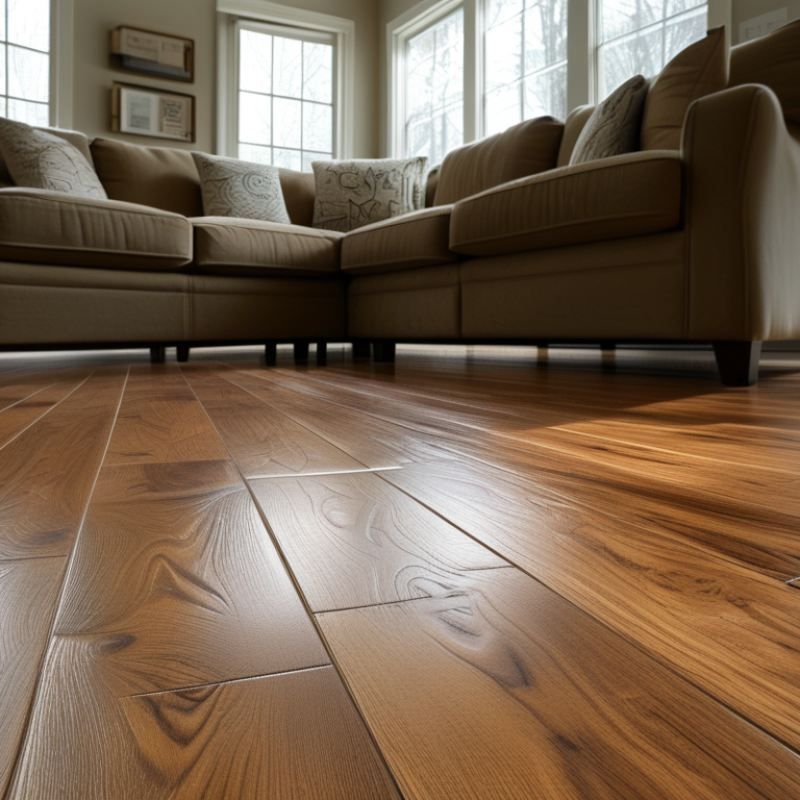
When you walk on SPC flooring, the clicking sounds can be puzzling. Several factors contribute to these noises. One common cause is the installation process. If the planks are not properly aligned, they may loosen over time. This can lead to gaps that produce clicking sounds when stepped on.
Another contributing factor is moisture. SPC flooring is designed to resist water, but excess moisture can affect the subfloor. This could result in the flooring expanding and contracting, which may create noise when walked on. Additionally, a poorly installed underlayment can also amplify clicking sounds.
Tips: Ensure proper installation to avoid alignment issues. Regularly check for moisture levels in your home to maintain flooring integrity. Consider using quality underlayment to reduce noise and enhance stability. If the clicking persists, it may be helpful to consult a flooring expert to assess the situation.
When walking on SPC (Stone Plastic Composite) flooring, clicking sounds can be bothersome. Often, this noise is linked to the condition of the subfloor beneath. A well-prepared subfloor is crucial for optimal sound absorption. Any irregularities can amplify noise levels. Inadequate subfloor support is a leading cause of such issues, according to industry reports.
Reports indicate that around 25% of flooring problems stem from improper subfloor preparation. A flat, clean, and dry surface is essential. When these conditions aren’t met, the SPC flooring can shift slightly, leading to those annoying clicks with each step. Additionally, fluctuations in humidity can affect both the flooring and subfloor, causing further noise.
It's interesting to note that even minor imperfections can have significant impacts. For instance, a poorly installed underlayment can exacerbate sound issues by as much as 40%. Regular checks and maintenance of the subfloor can greatly improve the overall experience. Ignoring these details may lead to dissatisfaction and unnecessary expenses in the long run.
SPC flooring, or Stone Plastic Composite, is a popular choice due to its durability and aesthetics. However, many homeowners report a clicking sound when walking on it. This sound often relates to temperature and humidity levels in the environment. Research has shown that an ideal humidity range for SPC flooring is between 30% and 50%. Deviations from this range can lead to expansion or contraction of the flooring, causing those annoying clicks.
Temperature is also crucial. SPC flooring performs best in temperatures between 60°F and 80°F. Variation outside this range can exacerbate the clicking noise. A study by the National Wood Flooring Association reveals that drastic temperature differences can increase sound transmission. In humid conditions, moisture may seep beneath the planks, leading to a potentially unstable foundation. This instability often results in noises that can be disruptive in daily life.
Even the best flooring isn’t without challenges. Many homeowners overlook the installation environment. Insufficient acclimatization of the planks to the room’s temperature and humidity can lead to future issues. Before installation, it’s essential to monitor these conditions closely. Reflecting on these factors can help in creating a comfortable living space while minimizing unwanted sounds.
Clicking sounds from SPC flooring can be frustrating. These noises often stem from installation issues. A common problem is improper subfloor preparation. If the subfloor is uneven or not clean, it can cause planks to shift slightly, resulting in clicking sounds as you walk. This can make your home feel less comfortable and create an annoying distraction.
Another frequent issue is inadequate expansion gaps. SPC flooring needs room to expand and contract. If the planks are too tightly fitted, they can push against each other and create noise when walked on. Over time, this can lead to more significant problems, such as buckling or gaps in the flooring. Lack of proper acclimation before installation can also contribute to these sounds. Failure to let the planks adjust to room conditions can lead to unexpected reactions once installed.
Reflecting on your installation process is essential. Did you take the time to level the subfloor? Did you ensure adequate expansion gaps were maintained? Addressing these aspects can improve the performance of your SPC flooring. Taking small steps can prevent those annoying clicking sounds and enhance your flooring experience.
SPC flooring offers durability and style but may produce clicking sounds underfoot. These noises can stem from various factors, including the subfloor conditions. Research indicates that improper subfloor leveling can result in gaps. These gaps cause movement and lead to clicking noises when walking.
To minimize noise in SPC flooring, maintaining a proper subfloor is crucial. The National Wood Flooring Association suggests that a level subfloor is essential for any floating floor system. Ensuring your subfloor has no more than 1/8 inch of deviation in 10 feet can help prevent these annoying sounds. Additionally, using underlayment materials designed for sound absorption can significantly reduce noise. A sound-rated underlayment can cut impact noise by 20 to 30 decibels, making a noticeable difference in your living space.
Regular maintenance is also vital. Ensure proper humidity levels in your home. SPC flooring performs best in environments with humidity between 30-50%. If humidity levels are inconsistent, the planks may expand and contract, leading to additional noise. Keeping your home environment stable can help maintain the performance and aesthetics of your flooring.
: Clicking sounds often arise from improper installation, moisture, or subfloor issues. Misalignment can create gaps, causing noise.
Excess moisture can make the flooring expand or contract, leading to clicking sounds. It’s vital to monitor humidity levels.
An uneven or dirty subfloor can lead to shifting, causing annoying clicking sounds. Proper preparation is essential for a smooth installation.
SPC flooring needs space to expand without pushing against neighbors. Tight fits can cause noise or buckling over time.
Ensure a level subfloor and use quality underlayment. Sound-rated materials can absorb some noise, enhancing comfort.
A humidity level between 30-50% is best. Inconsistent humidity can cause the flooring to expand, increasing noise.
Yes, if clicking sounds continue, a flooring expert can help identify underlying problems and recommend solutions.
Regular checks for moisture and ensuring stable humidity levels can prevent issues. Small maintenance steps can enhance durability.
SPC flooring, known for its durability and aesthetic appeal, can sometimes produce unsettling clicking sounds when walked on. This phenomenon leads many homeowners to wonder, "why does my SPC flooring make clicking sounds when walking?" Several factors could contribute to this issue. The subfloor condition plays a significant role, as uneven or damaged surfaces can cause instability that results in noise. Additionally, temperature and humidity levels can affect the expansion and contraction of the flooring, leading to gaps that produce clicking upon movement.
Installation issues, such as improper fitting or inadequate expansion gaps, can further exacerbate the problem. To mitigate these sounds, regular maintenance is essential, including ensuring the subfloor is level and addressing any environmental factors that may influence the flooring's performance. By understanding the causes and implementing the right solutions, you can enjoy your SPC flooring in peace.

Haven Decoration