How to Stop My Outdoor Decking from Fading So Fast?

Time:2026-07-20 Author:Charlotte
0%

Outdoor decking can be a beautiful addition to any home. However, many homeowners wonder, "why is my outdoor decking fading so fast?" According to industry expert Laura Reynolds, a noted materials specialist, “UV rays and weathering are the primary culprits in the fading process.” Understanding this issue is crucial for maintaining the durability and appearance of your deck.

Fading can significantly impact the aesthetics of outdoor spaces. For instance, a once-vibrant deck may dull and lose its charm after just a few seasons. This quick deterioration not only affects the look but can also signify deeper problems with the decking material. A faded deck might suggest inadequate protection against the elements or the need for more frequent maintenance.

Investing in quality materials and protective finishes can slow down fading. However, constant exposure to the sun and rain will still take its toll. Homeowners often overlook regular upkeep, which is essential to prolong the life of their decking. Hence, understanding the reasons behind fading can prompt necessary actions to preserve your outdoor space’s beauty.
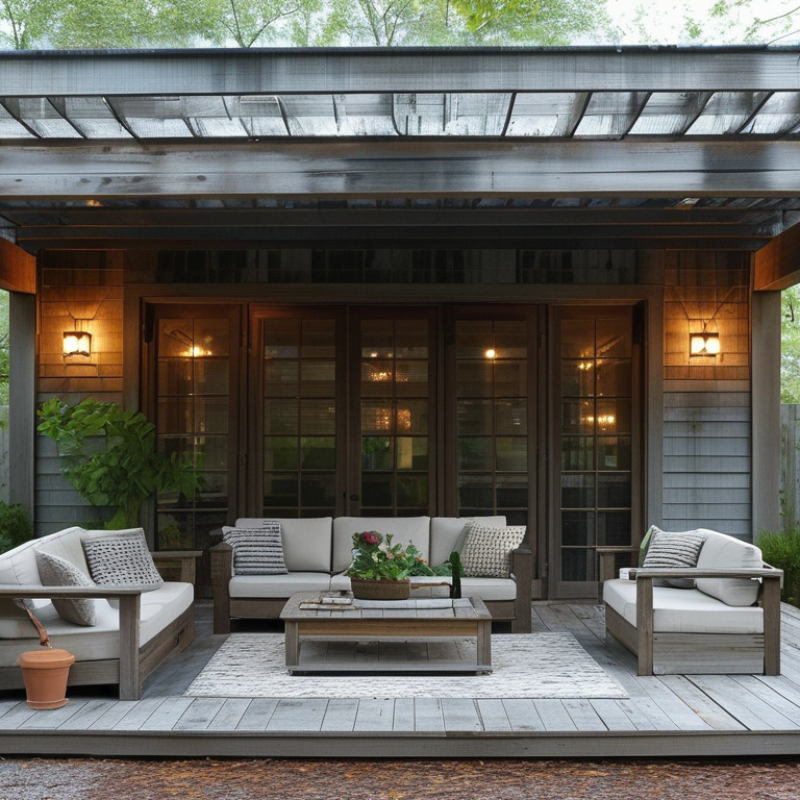
How to Stop My Outdoor Decking from Fading So Fast?

Understanding the Causes of Outdoor Decking Fading

Outdoor decking can fade quickly due to several environmental factors. Sunlight is one of the primary culprits. Ultraviolet (UV) rays break down the chemical bonds in wood, leading to discoloration. It’s common to see a beautiful mahogany deck turn grey after just a few seasons. Moisture can also contribute. Water often leads to mildew and mold, which can stain the wood and alter its color.

Even the choice of decking material matters. Some woods naturally fade faster than others. For example, softer woods like pine tend to deteriorate quicker than denser hardwoods. Additional elements like air pollutants and climate can accelerate fading too. Areas with high humidity or extreme temperatures can witness rapid changes in color.

Regular maintenance actions can help slow this process. Applying protective sealants can create a barrier against UV rays and moisture. Regular cleaning can help remove dirt and debris that traps moisture against the wood. These maintenance routines can be time-consuming and may not always deliver perfect results, leading to ongoing concerns about aesthetics. Being aware of these factors is essential for preserving your decking’s vibrant appearance.

Choosing the Right Materials for Fade-Resistant Decking

When selecting materials for fade-resistant decking, many factors come into play. The right choice can significantly prolong the life and appearance of your outdoor space. According to a 2021 research report by the Composite Decking Association, materials with UV protection can reduce color fade by up to 70% over five years. This statistic highlights the importance of selecting materials designed to withstand sunlight and environmental conditions.

Composite decking, for instance, is often engineered to be more resistant to fading than traditional wood. Many composites include additives that inhibit fading. A 2019 study published in the Journal of Outdoor Materials noted that products containing high-density polyethylene had lower fade rates compared to standard wood. This emphasizes the potential longevity of investing in advanced materials.

However, no material is entirely fade-proof. Even the best products may require maintenance and care. Regular cleaning and occasional refinishing can help maintain their appearance. Some users report that even with high-quality materials, sun exposure and climate conditions may still lead to some degree of fading. This reality underscores the need for ongoing assessment and adjustment to keep your decking looking fresh.

Effective Cleaning Techniques to Maintain Deck Appearance

Outdoor decking can fade quickly due to exposure to sunlight, moisture, and weather elements. To maintain its appearance, effective cleaning techniques are crucial. According to the American Wood Council, UV rays can degrade wood and composite materials, causing color loss and deterioration. Regular cleaning can help protect your deck from these damaging factors.

Start with a gentle scrub using a mixture of warm water and mild detergent. Use a soft-bristled brush for effective removal of dirt and grime. Regular cleaning every 6 to 12 months can significantly curb fading, particularly in high-sun areas. Industry experts recommend using a pressure washer on the lowest setting. Be cautious, though; overuse can damage the surface.

Consider applying a protective sealant designed for outdoor use. Sealants can provide a barrier against UV rays and moisture. A 2020 report by the Composite Materials Handbook stated that decks properly sealed last 30% longer than unsealed decks. It’s essential to test any cleaning product on a small area first. Each deck's material and age differ, which can affect the cleaning technique and products used. Regular maintenance reflects a commitment to preserving your outdoor space’s beauty.

Decking Maintenance: Effectiveness of Cleaning Techniques

Applying Protective Finishes and Sealants for Longevity

Protecting outdoor decking from fading is essential for its longevity. One effective way is by applying protective finishes. These finishes form a barrier against sunlight and moisture. Without them, the wood can deteriorate quickly. Choose a finish that suits your decking material. Different woods may require specific treatments.

Sealants also play a vital role. They minimize water absorption and prevent mold growth. A good sealant can extend the life of your deck. However, selecting the right sealant can be a challenge. Trial and error may be necessary. Not all products perform as promised. It’s important to test a small area first.

Regular maintenance is crucial. Reapply finishes and sealants at least once a year. Over time, wear and tear may expose wood to the elements. Look for signs of fading and peeling. These are indicators that it’s time to renew the protection. Stay proactive to ensure your deck remains vibrant and safe.

Regular Maintenance Tips to Prevent Decking Fading Over Time

Protecting your outdoor decking from fading is vital for longevity. Regular maintenance can significantly reduce the effects of UV rays. According to a report by the American Wood Council, untreated wood decks can lose color in as little as six months. Applying a high-quality sealant every one to three years can keep your deck looking vibrant, ensuring it withstands harsh weather conditions.

Cleaning your decking regularly is equally important. Dirt and debris can trap moisture, leading to mold and fading. A study from the National Association of Home Builders indicates that 70% of deck owners neglect this critical task. Use a soft brush and a mild cleaner. Be cautious with pressure washers; they can damage the wood if used incorrectly.

Consider the type of wood when planning maintenance. Some materials fade faster than others. Composite decks may resist fading better than traditional wood. However, they are not completely immune. UV protection additives in composite materials help, but reapplication is necessary. Aim for a balance between beauty and upkeep to ensure your outdoor space remains inviting and durable.

FAQS

: What factors should I consider when choosing decking materials?

: Choose materials that offer UV protection to prevent color fading and prolong life.

How much can UV protection reduce fading?

UV protection can reduce color fade by up to 70% over five years.

Are composite decks more fade-resistant than wood?

Yes, composites are engineered to resist fading better than traditional wood.

Do all materials fade eventually?

Yes, no material is completely fade-proof. Maintenance is still important.

What is an effective cleaning technique for decking?

Use warm water and mild detergent with a soft brush for cleaning.

How often should I clean my deck?

Clean your deck every 6 to 12 months, especially in sunny areas.

Can a pressure washer damage my deck?

Yes, using a pressure washer on high settings can damage the surface.

Should I use sealants on my deck?

Yes, sealants create a protective barrier against UV rays and moisture.

How long can properly sealed decks last?

Properly sealed decks can last 30% longer than unsealed ones.

Is it important to test cleaning products before use?

Yes, testing on a small area is essential, as materials vary in age and type.

Conclusion

Maintaining the appearance of your outdoor decking is essential, especially when faced with the question, "why is my outdoor decking fading so fast?" Several factors contribute to this issue, including exposure to UV rays, moisture, and environmental pollutants. Understanding these causes is the first step to effectively combat fading.

To help prevent this problem, it is crucial to choose fade-resistant materials and employ proper cleaning techniques regularly. Applying protective finishes and sealants can enhance durability and aesthetics, while a consistent maintenance routine will keep your decking looking fresh over time. By following these strategies, you can significantly prolong the life and appearance of your outdoor decking.

Charlotte

Charlotte

Charlotte is a seasoned marketing professional with a deep understanding of the company's portfolio and a passion for elevating its presence in the market. With a keen eye for detail and a commitment to excellence, she ensures that our professional blog is regularly updated with insightful articles......