How to Waterproof Gaps Between Outdoor Wall Claddings?

Time:2026-07-02 Author:Mason
0%

Waterproofing the gaps between outdoor wall claddings is crucial for long-lasting structures. According to John Smith, a leading expert in building moisture control, “Ignoring these gaps can lead to serious damage over time.” This statement reflects the importance of addressing these vulnerable areas.

Outdoor wall claddings often have small gaps that can let moisture in. Rainwater can seep through these gaps and cause rot or mold. Homeowners and builders must understand how to waterproof the gap between outdoor wall claddings effectively.

Proper sealing methods can prevent water infiltration. Various materials like caulk or sealants are commonly used. Each method has its strengths. Yet, choosing the right one requires careful consideration. Understanding the specific needs of the building is essential. By doing so, the waterproofing process can become more effective and reliable.
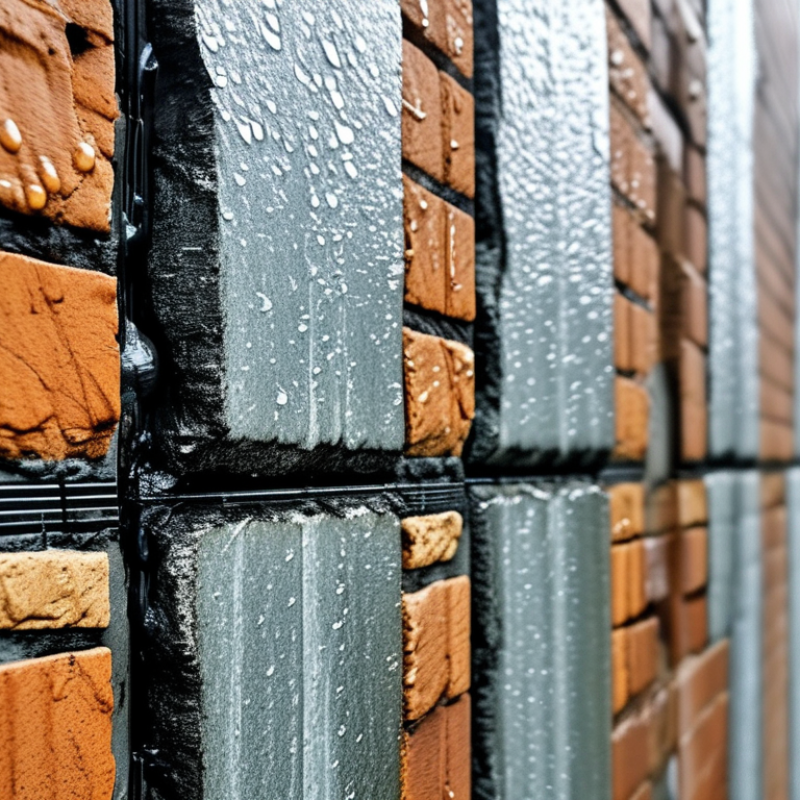
How to Waterproof Gaps Between Outdoor Wall Claddings?

Understanding the Importance of Waterproofing Wall Cladding Gaps

Waterproofing the gaps between outdoor wall claddings is crucial for maintaining the integrity of your home. Rain, moisture, and temperature variations can seep into these gaps, leading to significant damage over time. Gaps can allow water to penetrate, causing mold, rot, and structural issues. Understanding the importance of addressing these spaces is vital for any property owner.

Effective waterproofing methods include using sealants or membranes specifically designed for external applications. When applying these materials, ensure a thorough clean of the surfaces and fill gaps evenly. Often, DIY enthusiasts overlook surface preparation, which can lead to inadequate bonds. Even weather-resistant materials can fail without proper application. Regular inspection of the cladding and caulking is essential as well.

Reflecting on the installation process may uncover potential oversights. Over time, even well-sealed areas may degrade due to environmental factors. Learning from these experiences helps enhance future waterproofing efforts. In exterior maintenance, vigilance and attention to detail are key. Keeping up with these practices ensures longevity and reduces costly repairs.

Common Causes of Gaps in Outdoor Wall Cladding

Gaps in outdoor wall cladding can arise from various factors. One common cause is temperature fluctuations. As the seasons change, materials expand and contract. This movement can create small spaces between cladding pieces. Over time, these gaps may grow larger and lead to potential problems.

Another reason for gaps is poor installation. If the cladding is not fitted correctly, even small misalignments can result in visible openings. Weather conditions during installation can also play a role. Rain or humidity can affect adhesive and sealing materials, leading to unexpected issues later.

Additionally, wear and tear from environmental elements contribute to gap formation. Wind, rain, and fluctuating temperatures can erode joint sealants. Regular inspections are essential. They can help catch these issues early. Addressing gaps promptly can prevent more significant damage and maintain your home's integrity. Such maintenance requires experience and attention to detail, emphasizing the need for knowledgeable professionals.

Waterproofing Gaps in Outdoor Wall Cladding

Materials and Tools Required for Waterproofing Process

To effectively waterproof gaps between outdoor wall claddings, specific materials and tools are essential. Start with a high-quality waterproof sealant or caulk. This provides a robust barrier against moisture. Aim for products designed for outdoor use, as they withstand weather changes. Silicone-based sealants are often a reliable choice, but always check compatibility with your cladding material.

In addition to sealants, a caulking gun is vital for precision application. It allows you to control the amount of sealant dispensed. A putty knife can also help smooth out the sealant for a neat finish. You might need a wire brush to clean the gaps before sealing. Investing in a good cleaning agent can help eliminate dirt and debris. Sometimes, it’s easy to overlook these details, but neglecting them can lead to issues later.

Safety gear should not be forgotten. Gloves protect your hands from chemicals, and goggles shield your eyes. While the process itself might seem straightforward, many homeowners underestimate the importance of preparation. Each gap is unique, so taking the time to assess and plan can make a significant difference. Don’t rush through. Rushing often leads to mistakes that can compromise your waterproofing efforts.

Step-by-Step Guide to Seal Gaps Between Wall Claddings

Gaps between outdoor wall claddings can lead to moisture problems. Sealing these gaps is crucial for protecting your home. Begin by inspecting the cladding thoroughly. Look for any areas where water could infiltrate. These spots may be small but can cause significant damage over time.

After identifying the gaps, clean the area. Use a wire brush or cloth to remove loose debris. A clean surface ensures that your sealant adheres properly. Next, select a suitable sealant. Choose one that is compatible with the materials of your cladding. It should also be durable and weather-resistant.

Apply the sealant carefully, ensuring complete coverage. Pay attention to edges and corners, as these are common weak points. Don’t rush the process; apply even pressure for a consistent bead. Once applied, let the sealant cure according to the manufacturer’s instructions. Rushing this step can lead to future leaks. Regularly check the sealed areas for signs of wear or damage. Maintaining this diligence will help ensure your cladding remains waterproof.

How to Waterproof Gaps Between Outdoor Wall Claddings? - Step-by-Step Guide to Seal Gaps Between Wall Claddings

Step Task Materials Needed Estimated Time
1 Inspect gaps and identify areas None 30 minutes
2 Clean the gap areas Brush, cloth, cleaning solution 1 hour
3 Apply gap filler or sealant Silicone sealant, caulking gun 2 hours
4 Smooth the sealant Putty knife or finger 30 minutes
5 Allow sealant to cure None 24 hours
6 Final inspection and touch-ups None 30 minutes

Maintenance Tips for Long-lasting Waterproofed Cladding

Waterproofing gaps between outdoor wall claddings is essential for maintaining a home's integrity. Proper maintenance can ensure long-lasting protection against moisture and the elements.

Regular inspection is key. Check for cracks or gaps frequently. Even small openings can lead to significant damage over time. Use a flashlight to examine hard-to-see areas. Fixing these imperfections promptly can save you from costly repairs later.

Consider using sealants specifically designed for outdoor use. They create a strong barrier against moisture. Apply them carefully, ensuring every gap is covered. Remember, not all sealants are created equal. Research and choose based on your specific cladding materials.

Don’t forget about the importance of cleaning. Removing dirt and debris helps sealants adhere better. A simple wash can make a big difference. However, be cautious; improper cleaning can damage your cladding. Take your time and reflect on your methods. Aim for a thorough approach but remain aware of potential pitfalls.

FAQS

: What causes gaps in outdoor wall cladding?

: Gaps can form due to temperature changes, poor installation, and wear from environmental elements.

How does temperature affect wall cladding?

Temperature fluctuations cause materials to expand and contract, creating spaces between cladding pieces over time.

Why is proper installation important?

Poor installation may lead to misalignments, resulting in visible openings and potential moisture issues.

How do weather conditions during installation impact cladding?

Rain or humidity can affect adhesive, leading to gaps if the installation is not done carefully.

What is the first step to sealing gaps?

Begin by inspecting the cladding for any areas where water could enter, even small gaps matter.

How should the area be prepared before sealing?

Clean the area with a wire brush or cloth to remove debris, ensuring the sealant adheres well.

What type of sealant should be used?

Choose a durable sealant compatible with your cladding materials, designed for outdoor use.

How can I ensure the sealant is applied correctly?

Apply the sealant with even pressure, paying attention to edges and corners for complete coverage.

What maintenance should be performed on sealed areas?

Regularly inspect for signs of wear or damage, ensuring the sealed areas remain watertight over time.

Why is cleaning the cladding important?

Cleaning ensures better adhesion of sealants, but be cautious, as improper cleaning can cause harm.

Conclusion

Waterproofing gaps between outdoor wall claddings is essential to protect your home from moisture damage and ensure structural integrity. Understanding the importance of this process involves recognizing the common causes of gaps, such as weathering, settling, and improper installation. To effectively seal these gaps, you will need specific materials and tools tailored for waterproofing.

This guide provides a step-by-step approach on how to waterproof the gap between outdoor wall claddings, ensuring a thorough sealing process. Additionally, it emphasizes the significance of regular maintenance to keep your waterproofing effective for the long term. By following these steps and tips, homeowners can safeguard their properties against potential water infiltration issues.

Mason

Mason

Mason is a seasoned marketing professional with a deep expertise in the company's offerings and a passion for driving brand awareness. With a strong background in digital marketing strategies, he has an innate ability to connect with diverse audiences and effectively communicate product benefits.......