When considering outdoor solutions for your garden, the question arises: "Is WPC wall cladding termite proof for garden use?" This concern is prevalent among homeowners seeking durable and long-lasting materials. According to Alex Johnson, a leading expert in pest management, "WPC wall cladding offers significant resistance to termites due to its composite makeup." His insights underscore the growing popularity of WPC as a reliable option.
WPC, or wood-plastic composite, combines recycled wood and plastic fibers. This mixture enhances its durability, making it less attractive to pests. However, while it provides protection, not all WPC products are created equal. Some may still be susceptible to moisture, which might lead to degradation over time. Proper installation and maintenance are crucial to maximizing its effectiveness against termites.
Homeowners must weigh the benefits and limitations of WPC wall cladding. Investing in high-quality cladding can offer a level of assurance against termite damage. Yet, it's essential to remain vigilant. Regular inspections will help identify potential issues before they escalate. Understanding the strengths and weaknesses of WPC will guide consumers in making informed decisions for their gardens.
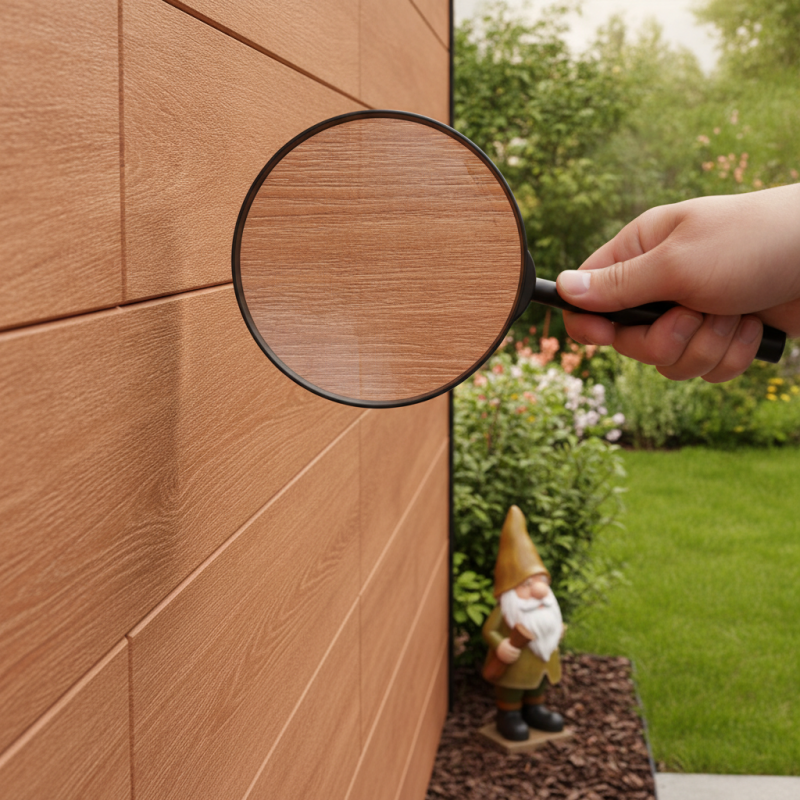
Understanding WPC Wall Cladding and Its Composition
WPC wall cladding is a popular choice for garden use due to its unique composition. This material is made from a blend of wood fibers and plastic, offering durability and aesthetics. The wood fibers provide a natural look, while the plastic component enhances resistance to moisture and pests. This combination makes WPC an appealing option for outdoor settings.
In terms of termite resistance, WPC has advantages over traditional wood. Its synthetic makeup creates a less inviting environment for termites. However, not all WPC products are created equally. Some may still be vulnerable to pest damage depending on their manufacturing process and the quality of materials used. It’s crucial to research specific WPC options and consider environmental factors in your garden.
Ultimately, while many homeowners find WPC wall cladding suitable, it's essential to monitor your installation. Regular checks for any signs of degradation or damage can help maintain its integrity. Understanding the nuances of WPC composition will lead to more informed selections for your outdoor projects.
Is WPC Wall Cladding Termite Proof for Your Garden Use? - Understanding WPC Wall Cladding and Its Composition
| Feature |
Description |
Termite Resistance |
Maintenance Level |
Lifespan |
| Material Composition |
Composite of wood fibers and plastic |
Highly resistant to termites |
Low maintenance required |
15-25 years |
| Water Resistance |
Resistant to moisture and decay |
Prevents termite infestations |
Requires occasional cleaning |
20+ years under proper care |
| Environmental Impact |
Made from recycled materials |
Non-toxic to pests |
Sustainable choice |
Durable with minimal degradation |
| Installation |
Easy to install with various methods |
Not conducive to termite growth |
Moderate skills for installation |
Long-lasting when installed correctly |
The Role of Termites in Garden Structures and Their Impact
Termites play a crucial role in garden ecosystems. They contribute to soil health by breaking down dead plant material. However, their appetite can pose a significant threat to wooden structures. Estimates suggest that termites cause $5 billion in damage annually in the United States alone. This figure highlights their potential impact on garden constructions, where wooden features are common.
Using WPC wall cladding is becoming a preferred option for many gardeners. Unlike traditional wood, WPC combines recycled plastic and wood fibers, offering enhanced durability. Studies indicate that WPC materials show a 50% lower risk of termite infestation compared to their wooden counterparts. This makes them a reliable choice for gardens facing termite challenges.
Yet, not all WPC products are equal. Some may still be vulnerable due to manufacturing processes. Gardeners should ensure they are selecting high-quality WPC with proper certifications. Research indicates that while many WPC options claim to be resistant, a small percentage still shows signs of termites over time. This variability needs careful consideration when planning long-term garden projects.
Evaluating Termite Resistance in WPC Wall Cladding Materials
When considering the use of WPC wall cladding in gardens, evaluating its termite resistance is crucial. WPC, or wood-plastic composite, combines wood fibers and plastic polymers, which can alter its vulnerability to pests. Many believe that this composite material is naturally resistant to termites. However, the reality is a bit more complicated.
The resistance of WPC wall cladding to termites largely depends on its composition. Some products are treated with additives that discourage pest infestations. Others may not have such treatments. This inconsistency means that not all WPC wall cladding is equally termite-proof. It's important to check the specifications provided by manufacturers. Additionally, factors such as moisture levels can influence how well the composite holds up against termites.
In practice, while WPC may offer some durability, it is not entirely invulnerable. Improper installation or lack of maintenance can create issues. It’s wise to inspect the cladding regularly. Homeowners should consider environmental factors as well. Termites thrive in warm, moist conditions, which could impact the longevity of any material. Reflecting on these details helps ensure your garden remains pest-free.
Comparing WPC Cladding with Traditional Wood in Termite Resistance
When it comes to garden use, selecting materials resistant to pests is crucial. WPC wall cladding emerges as a popular option, especially concerning termite resistance. Unlike traditional wood, which can easily succumb to termite infestations, WPC offers a blend of wood fibers and recycled plastics. This composite structure makes it less appealing to termites, providing a potentially safer choice for outdoor applications.
Traditional wood, while aesthetically pleasing, often requires regular treatments to fend off termites. This maintenance can become tedious and costly over time. In contrast, WPC does not need periodic treatments. However, it is important to recognize that WPC isn't entirely termite-proof. While it offers better resistance, it can still attract problems in specific conditions, such as excessive moisture or poor ventilation.
Homeowners must weigh the options carefully. WPC may present a solution, but it is essential to consider the overall environmental impact of the material. Additionally, understanding the warranties and lifespan is important. In some scenarios, the durability of traditional wood may outweigh the benefits offered by WPC. Hence, reflecting on these aspects before making a decision is vital for selecting the right cladding for gardens.
Comparison of Termite Resistance: WPC Wall Cladding vs Traditional Wood
This chart illustrates the termite resistance ratings of WPC wall cladding compared to traditional untreated and treated wood. WPC cladding scores the highest, demonstrating its effectiveness against termite damage, making it a suitable choice for outdoor garden use.
Best Practices for Using WPC Wall Cladding in Garden Applications
WPC (Wood-Plastic Composite) wall cladding is gaining popularity in garden applications, particularly for its resistance to environmental stressors. Research indicates that WPC can inhibit termite activity, making it a favorable choice for outdoor settings where wood is vulnerable. According to a study published by the American Society for Testing and Materials (ASTM), WPC can withstand moisture and humidity better than traditional wood, which helps in reducing the likelihood of termite infestations.
When using WPC wall cladding, proper installation is key. It is essential to ensure that the cladding is correctly ventilated and does not come into direct contact with soil. This can significantly enhance its longevity and effectiveness against pests. Some users may overlook regular maintenance, believing that WPC is entirely hassle-free. However, periodic cleaning and inspection can help prevent mold growth and structural issues, ensuring the cladding remains functional over time.
While WPC shows promise, it is crucial to recognize that no material is completely termite-proof. Depending on specific environmental conditions, such as moisture levels and nearby vegetation, WPC could still be at risk. Understanding these variables can help in making informed choices for a garden landscape that protects against pests while ensuring aesthetic appeal.
FAQS
: Termites help break down dead plant material, contributing to soil health.
They can cause significant damage, with estimated costs reaching $5 billion annually in the U.S.
WPC wall cladding combines recycled plastic and wood fibers, offering durability for gardens.
WPC has a 50% lower risk of termite infestation compared to traditional wood.
No, some WPC products may still be vulnerable due to manufacturing processes.
It's vital to select high-quality WPC with proper certifications to ensure efficiency.
Unlike wood, WPC does not need regular treatments, but it's not entirely termite-proof.
Excessive moisture and poor ventilation may lead to termite problems in WPC.
Weigh the materials’ durability, environmental impact, warranties, and long-term maintenance.
Yes, sometimes the durability of traditional wood may outweigh WPC’s benefits.
Conclusion
This article explores the question, "Is WPC wall cladding termite proof for garden use?" by first providing an overview of WPC (Wood-Plastic Composite) wall cladding, detailing its composition and advantages for outdoor applications. It also examines the role of termites in garden structures, highlighting how these pests can damage traditional materials. The article evaluates the termite resistance of WPC materials, comparing their effectiveness against traditional wood, which is more susceptible to infestations.
Furthermore, the article outlines best practices for employing WPC wall cladding in gardens, emphasizing installation techniques and maintenance that enhance longevity and durability. By the end, readers will gain insights into whether WPC wall cladding is indeed a reliable termite-proof option for garden use, ultimately supporting informed decisions for their outdoor projects.

 Haven Decoration