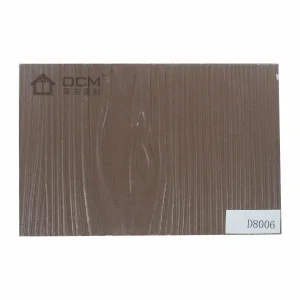
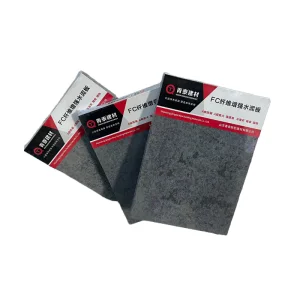
Explore our flagship international export offerings, engineered for high-friction safety, moisture resistance, and architectural durability across commercial and residential sectors.
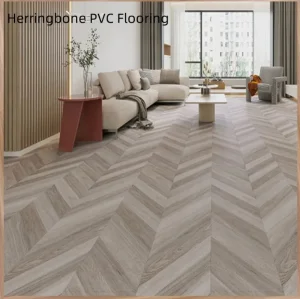
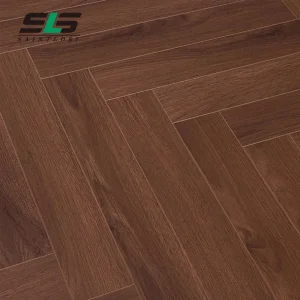

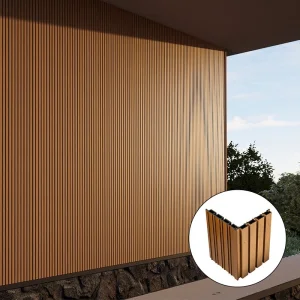
In modern architectural engineering and industrial facility design, selecting the right anti-slip flooring is no longer merely an aesthetic choice—it is a critical safety, liability, and regulatory mandate.
Static Coefficient of Friction (SCOF) measures the force required to start moving an object across a static surface, whereas Dynamic Coefficient of Friction (DCOF) evaluates kinetic resistance while in motion. For high-occupancy commercial projects, ANSI A137.1 mandates a minimum wet DCOF of 0.42 for level interior floors expected to be walked upon when wet. Top tier anti-slip exporters engineer wear layers that consistently achieve DCOF values exceeding 0.55 to 0.68 under contaminated wet conditions.
The German DIN 51130 oil-wet ramp test categorizes anti-slip properties into R-ratings ranging from R9 (6°–10° angle of slip) to R13 (>35° angle of slip). Public entrances, retail concourses, and offices require R9 or R10 ratings. In contrast, commercial kitchens, food processing plants, and wet industrial ramps require R11 to R13 ratings. Leading Chinese exporters utilize precision embossing and micro-bead poly-ceramic UV topcoats to guarantee stable R-ratings across mass production lines.
Widely recognized in Europe and Australasia, the Pendulum Test simulates a heel strike on wet and dry surfaces. A Pendulum Test Value (PTV) of 0-24 indicates high slip potential, 25-35 indicates moderate potential, and 36+ signifies low slip potential. Precision-manufactured SPC and co-extrusion WPC flooring systems from top manufacturers are rigorous tested to maintain PTV 36+ even after millions of mechanical abrasion cycles.
| Flooring Material Substrate | Slip Rating (DIN 51130 / ANSI) | Wet DCOF Index | Primary Architectural Application | Water Resistance Profile |
|---|---|---|---|---|
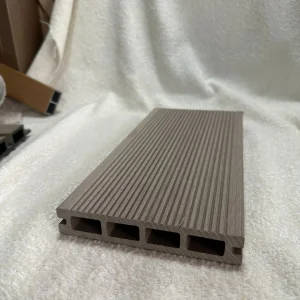
| Co-Extrusion WPC Decking | R11 - R12 | 0.62 - 0.70 | Outdoor Pool Decks, Commercial Boardwalks, Gardens | 100% Weatherproof / UV Shielded |
| Rigid Core SPC Flooring | R10 - R11 | 0.50 - 0.58 | Hotels, Healthcare, High-Traffic Commercial Retail | 100% Waterproof Impermeable Core |
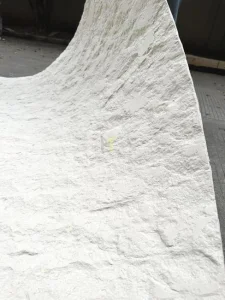
| MCM Flexible Clay Tile | R11 | 0.56 - 0.64 | Heavy-Duty Exterior Facades & Anti-Slip Footpaths | Breathable & Moisture Resistant |
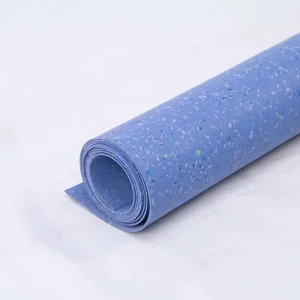
| Commercial PVC Roll Flooring | R9 - R10 | 0.45 - 0.52 | Cleanrooms, Educational Labs, Transit Vehicles | High Chemical & Water Resistance |
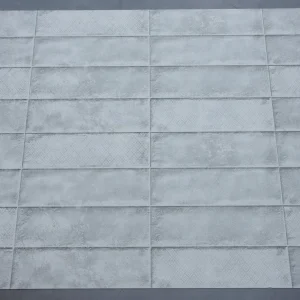
| Fiber Cement Siding & Planks | R10 | 0.48 - 0.55 | Exterior Rain-Screens & Architectural Transitions | Class A1 Fireproof & Rainproof |
How Chinese manufacturing innovators engineer multi-layered composite materials to balance structural rigidity, thermal stability, acoustic dampening, and high surface traction.
SPC flooring features a dense limestone (CaCO3) and polyvinyl chloride core composite. The high inorganic mineral load (up to 70%) provides zero dimensional expansion under thermal stress. The surface is treated with an anti-slip UV coating embedded with microscopic aluminum oxide particles, creating dynamic micro-roughness that grips footwear without sacrificing cleanability.
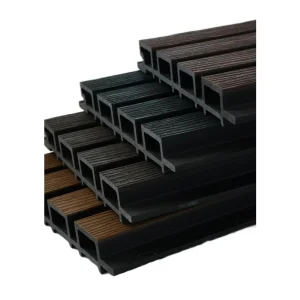
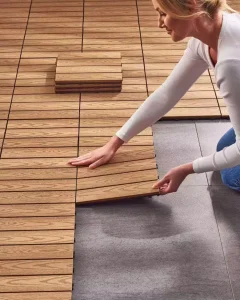
Second-generation WPC decking utilizes a 360-degree co-extrusion technology where an impenetrable polymer shield encapsulates the wood-fiber inner core. This outer shell incorporates deep 3D wood grain embossing engineered specifically to create drainage channels and friction ridges, preventing slip hazards caused by algae buildup or standing water.
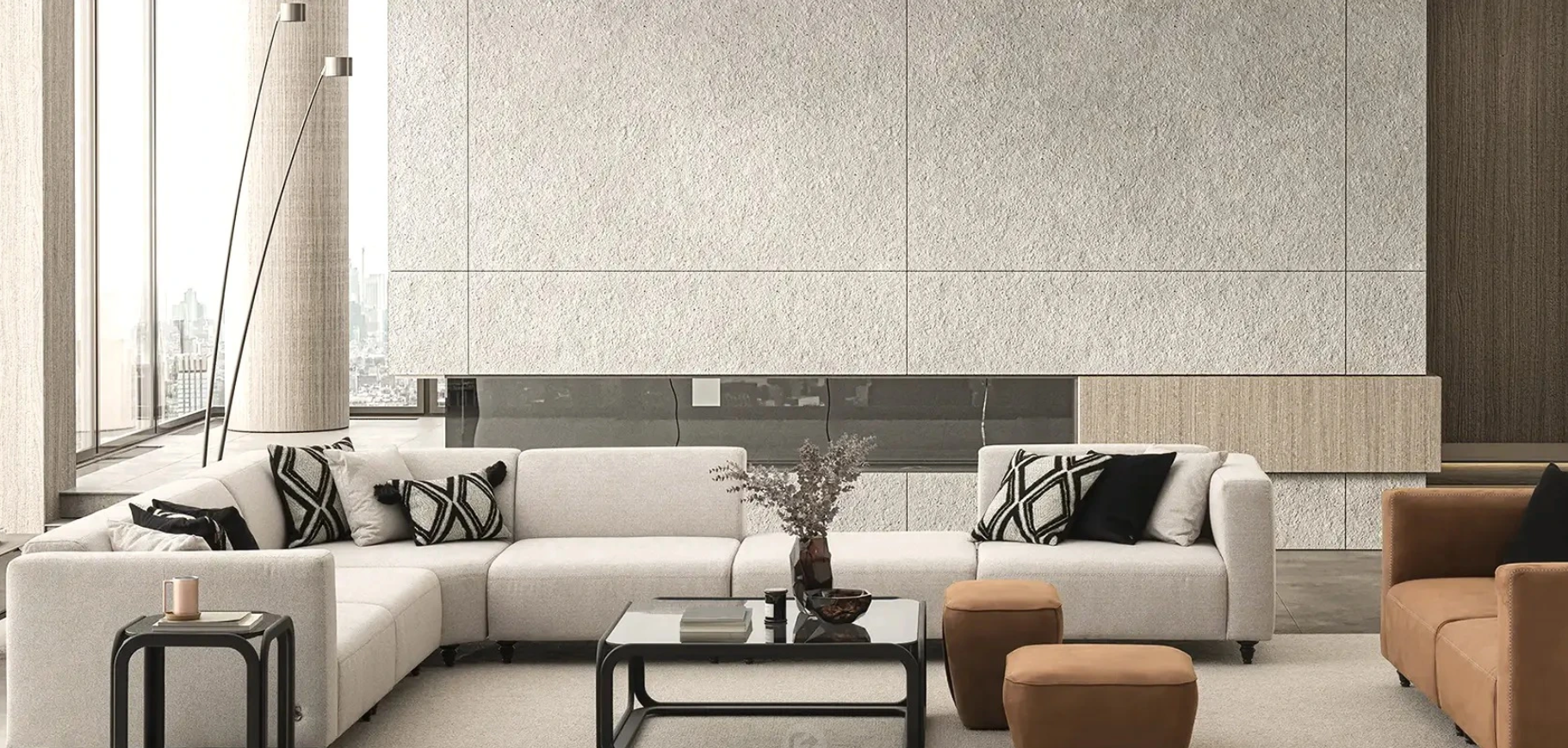
MCM flexible tiles utilize natural inorganic soil and mineral powder bound with small proportions of high-molecular polymers, baked via low-temperature cross-linking. The resulting surface retains natural stone and earth textures, producing inherent non-slip characteristics perfect for wet exterior walkways and high-traffic architectural facades.
From severe Nordic frost zones to humid tropical resorts and high-intensity Middle Eastern commercial hubs, anti-slip flooring specifications must adapt to regional climate demands.
In the USA and Canada, public space slip resistance is heavily regulated under Americans with Disabilities Act (ADA) guidelines and OSHA safety protocols. Commercial applications—such as multi-family housing corridors, healthcare facilities, and retail centers—demand strict DCOF testing > 0.42, low VOC off-gassing (FloorScore® standard), and heavy wear layer durability (20mil / 0.5mm+).
European architects emphasize DIN 51130 (R-ratings) and DIN 51097 (barefoot wet areas). In Scandinavian and Alpine regions, outdoor WPC decking must withstand extreme freeze-thaw cycles without surface micro-cracking, which degrades slip resistance over time. Products supplied to the EU require full REACH chemical safety compliance and CE Marking.
In GCC markets (UAE, Saudi Arabia, Qatar), outdoor deck surfaces endure ambient temperatures exceeding 45°C alongside fine silica sand abrasion. Anti-slip coatings must incorporate high UV stabilizers to prevent coating chalking, while SPC cores require low thermal expansion formulations to avoid buckling under intense radiant heat.
Established in 2005, Foshan Haven Decoration Co., Ltd. is a premier global manufacturer and exporter specializing in high-performance surface decoration and anti-slip composite flooring.
Foshan Haven Decoration Co., Ltd., established in 2005, is a leading manufacturer specializing in high-quality PVC ceiling and wall panels. Over the years, we have expanded our product range to include a diverse selection of interior decorative materials, becoming a prominent name in the industry. With a commitment to excellence, we are proud to deliver innovative and reliable products that meet the ever-changing needs of our customers.
At Foshan Haven, we don’t just manufacture products—we create solutions that transform spaces. Every product we produce is infused with creativity and precision, designed to offer endless possibilities for interior design. Our dedication to quality and customer satisfaction is at the heart of everything we do, ensuring that each item reflects our core values of innovation, sustainability, and durability.
Located in Foshan, Guangdong, our factory boasts state-of-the-art equipment and a dedicated team of professionals who uphold the highest standards of quality. With an annual sales turnover of over 35 million USD, we have successfully served customers across the globe, from wholesalers and distributors to interior designers and commercial contractors.
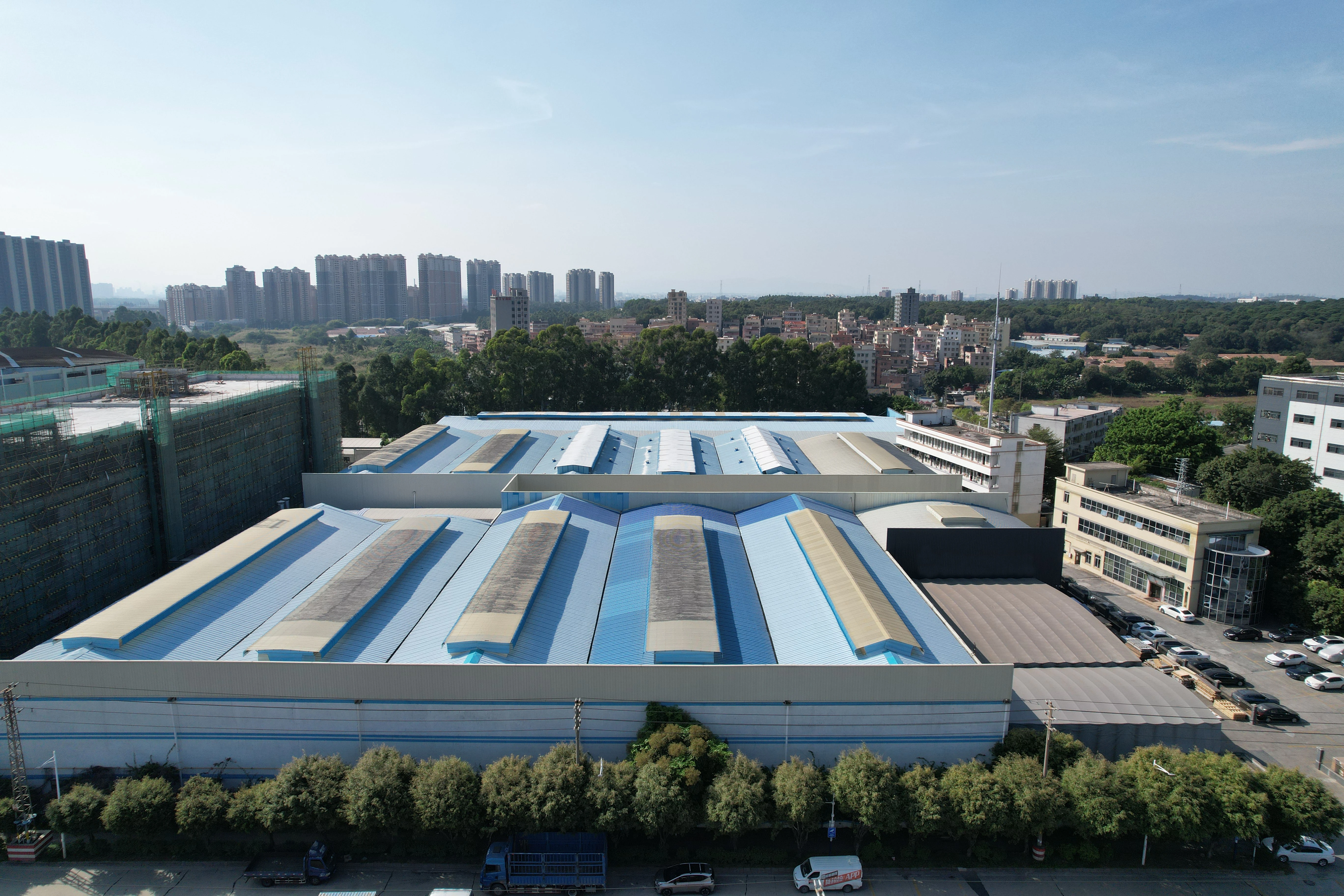
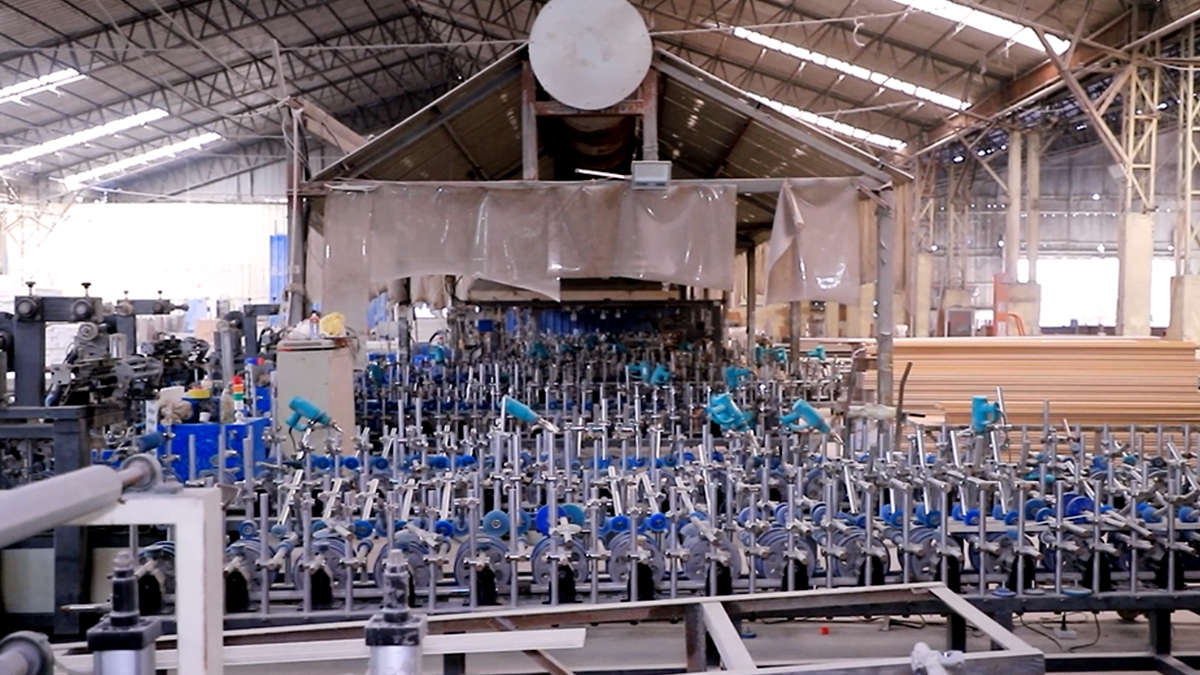
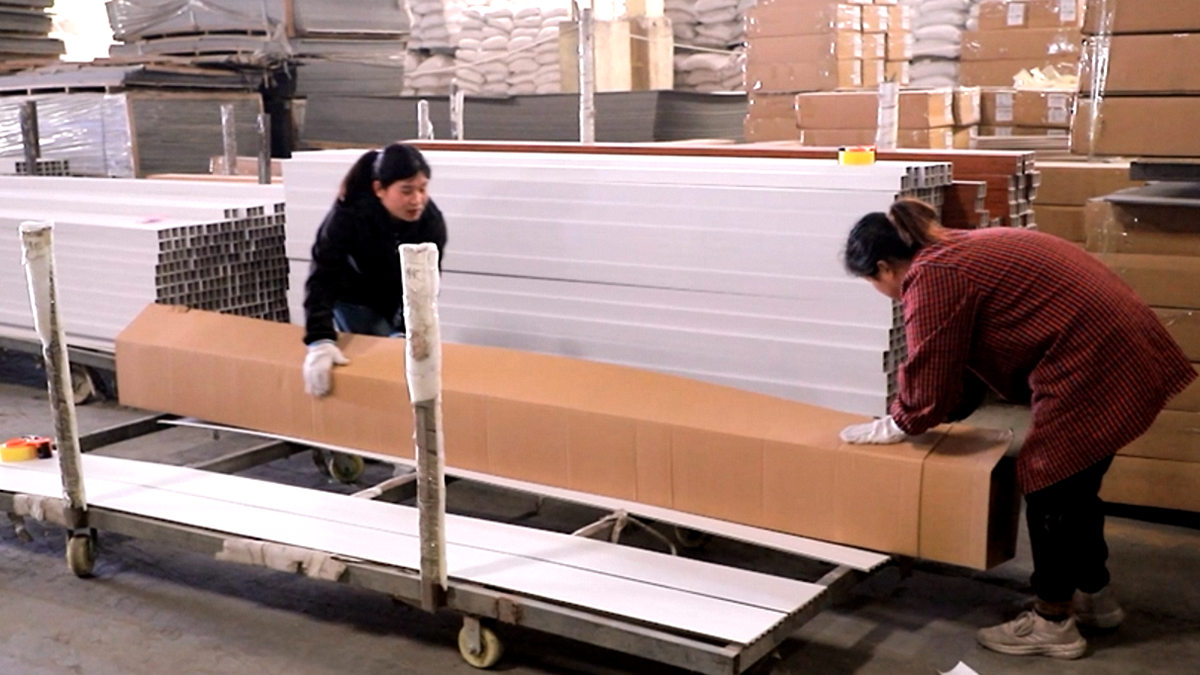
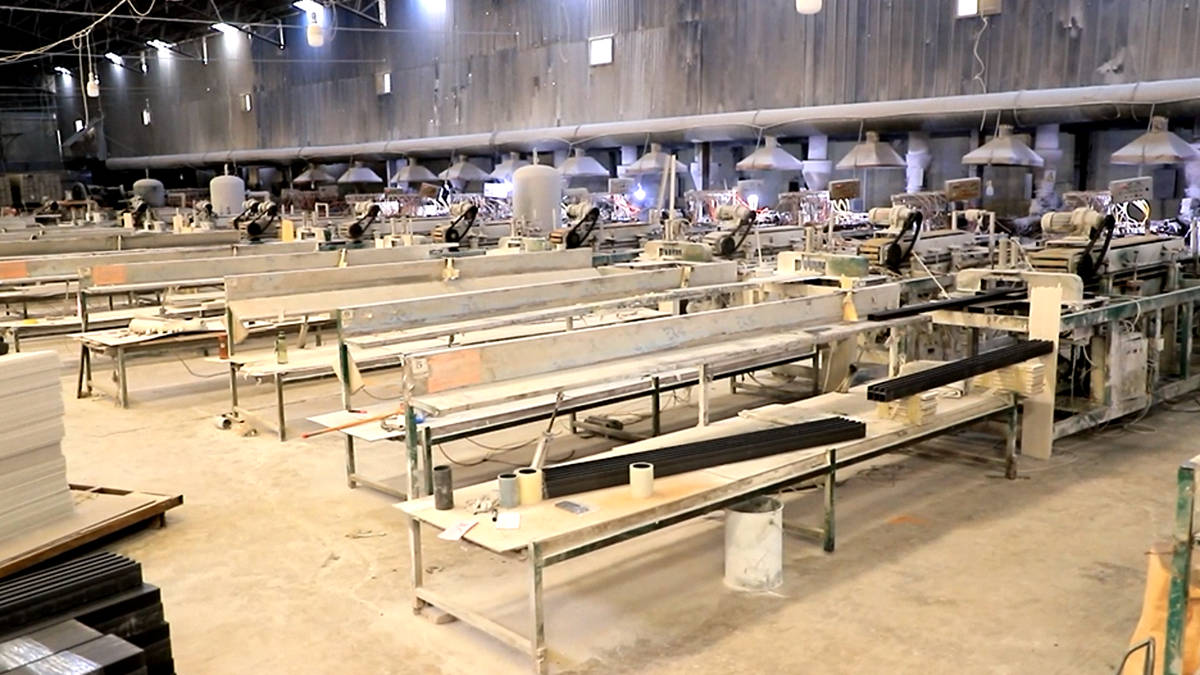
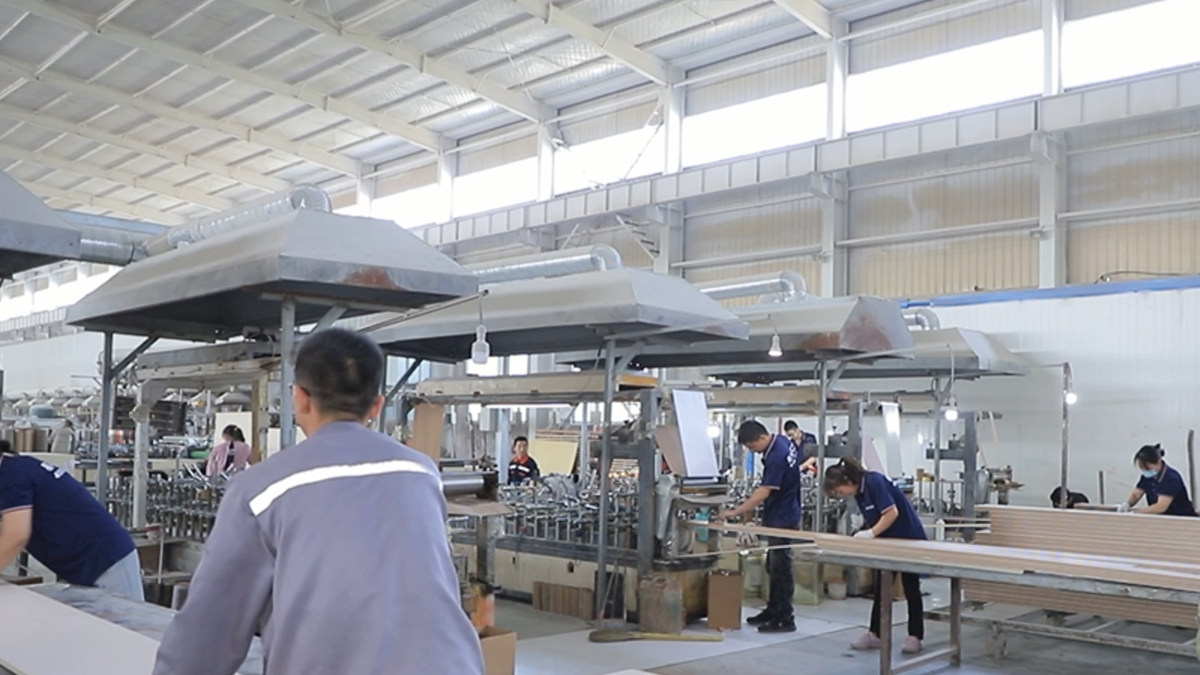
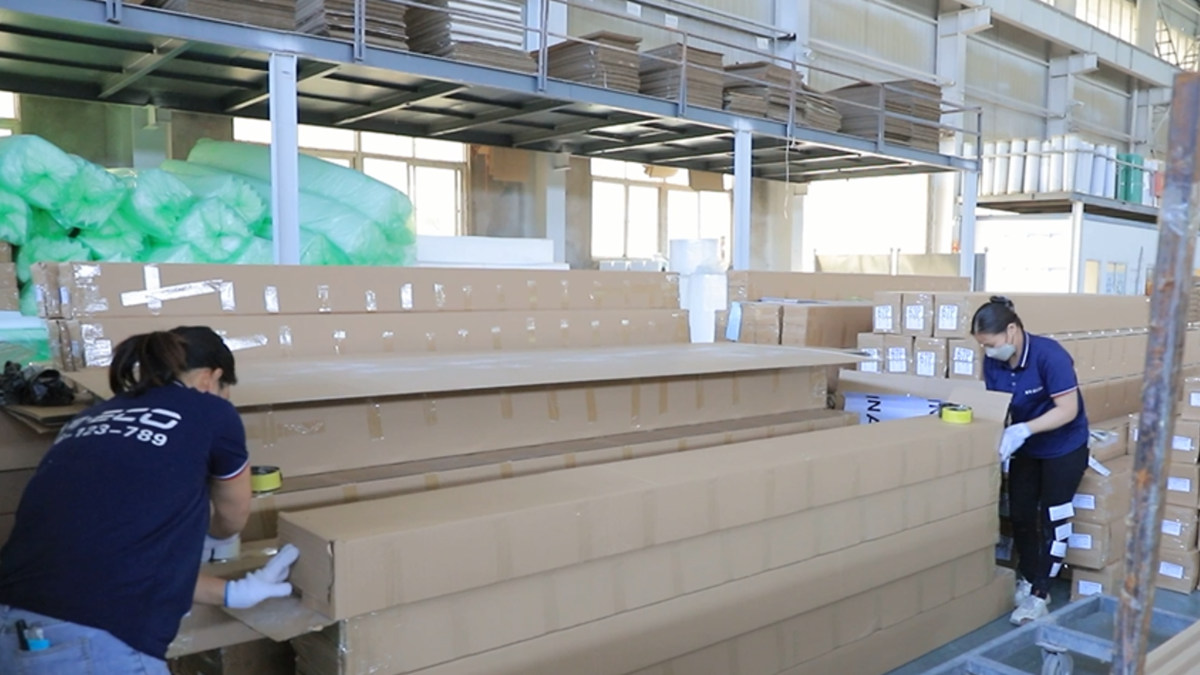
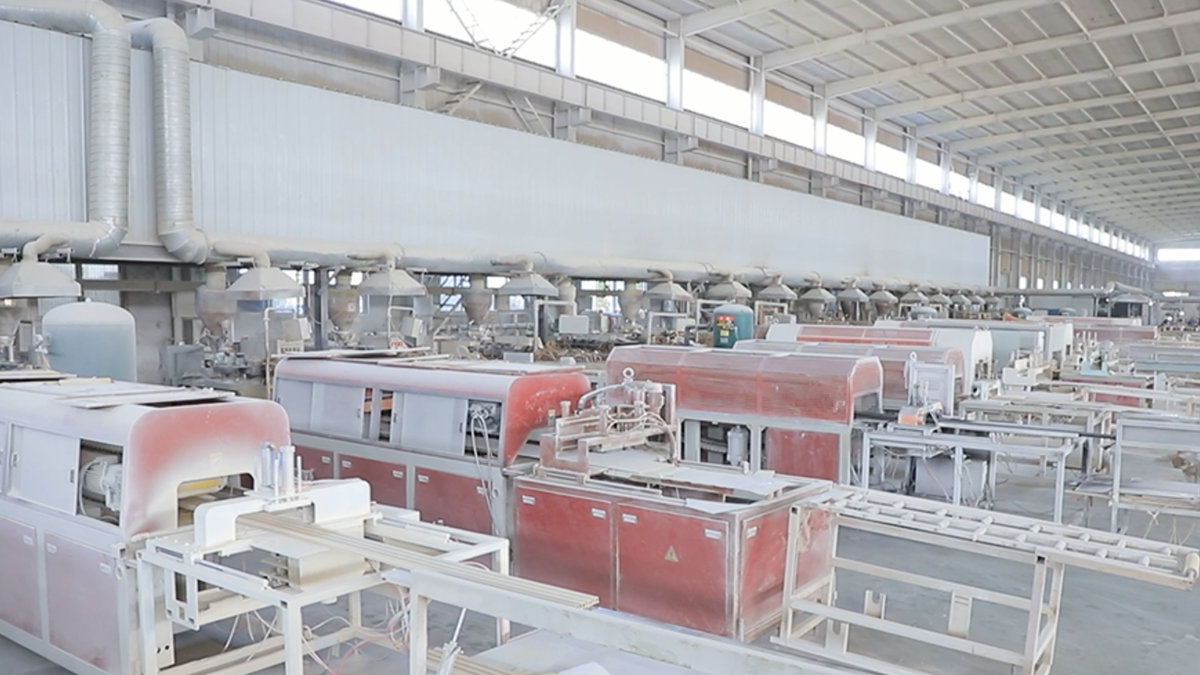
A transparent look inside our Foshan production facility, featuring state-of-the-art extrusion, precision laminating, automated cutting, and stringent packaging lines.

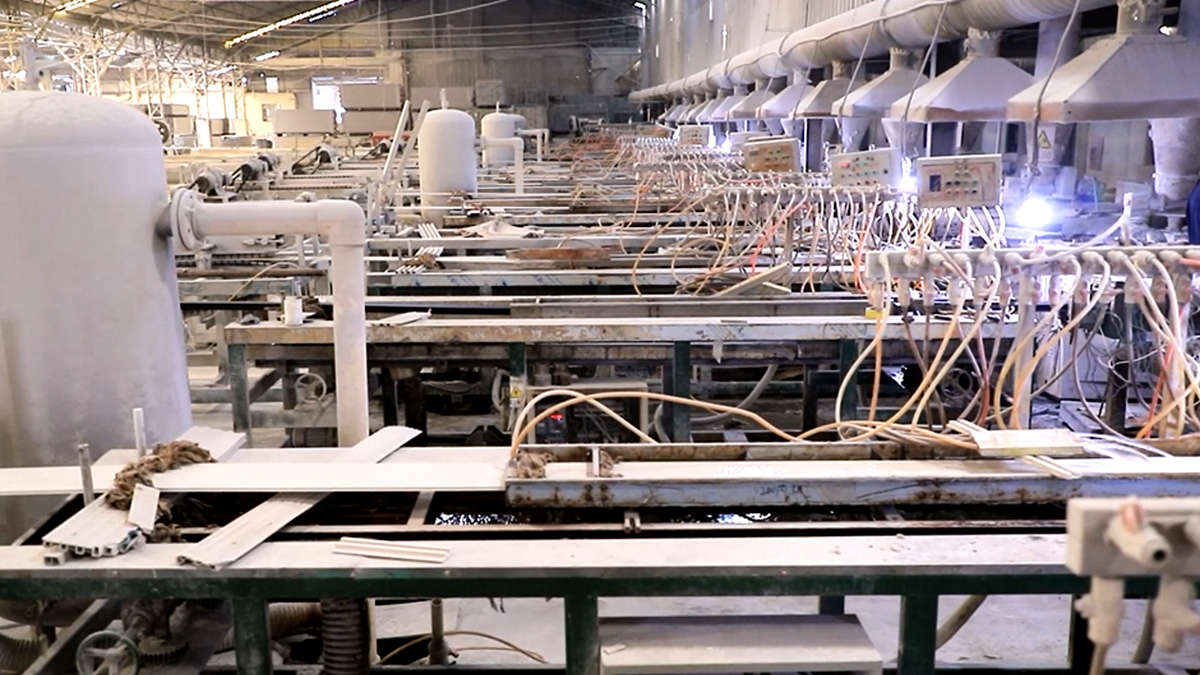
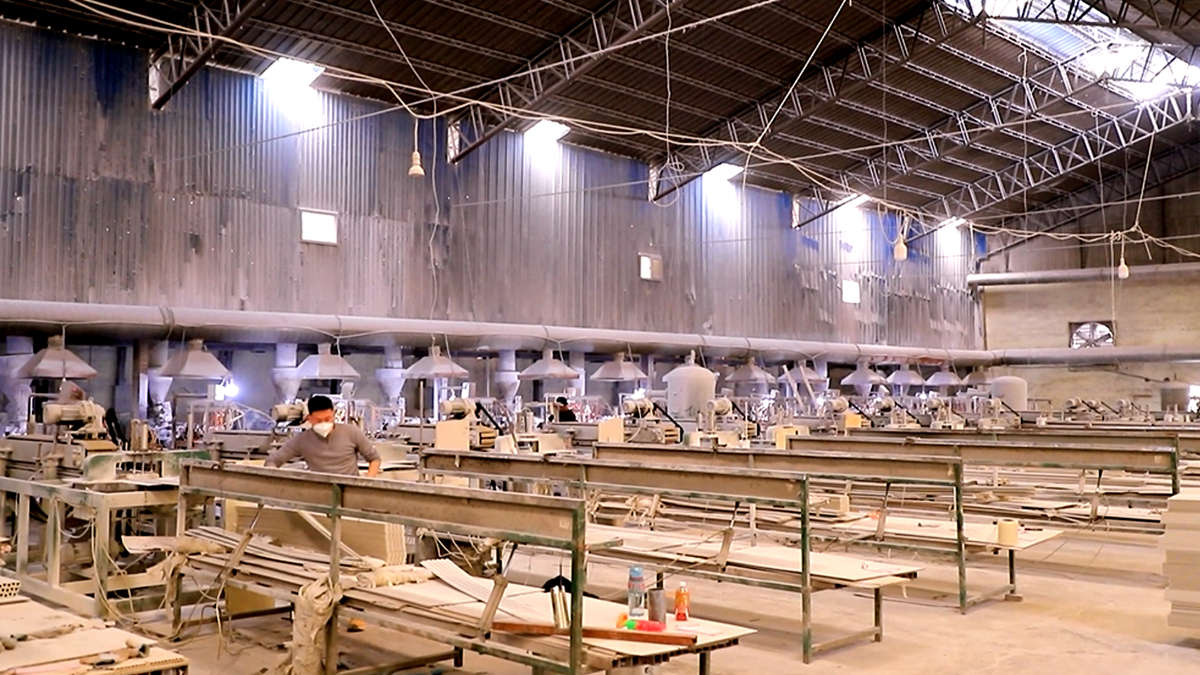
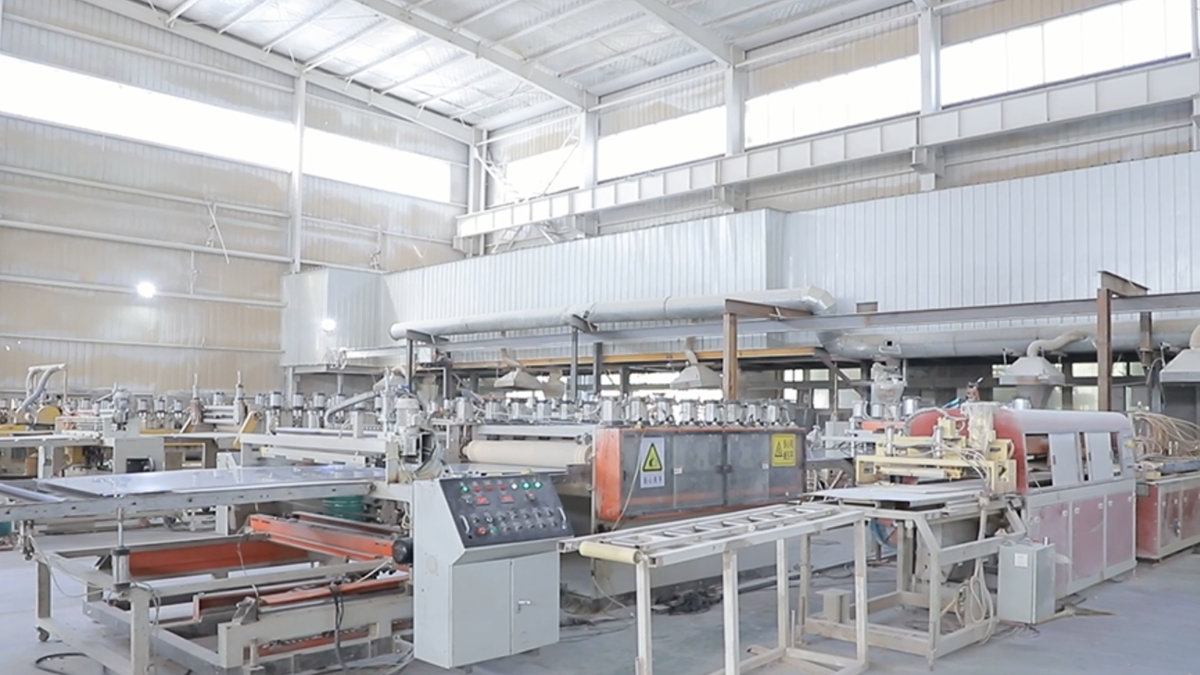
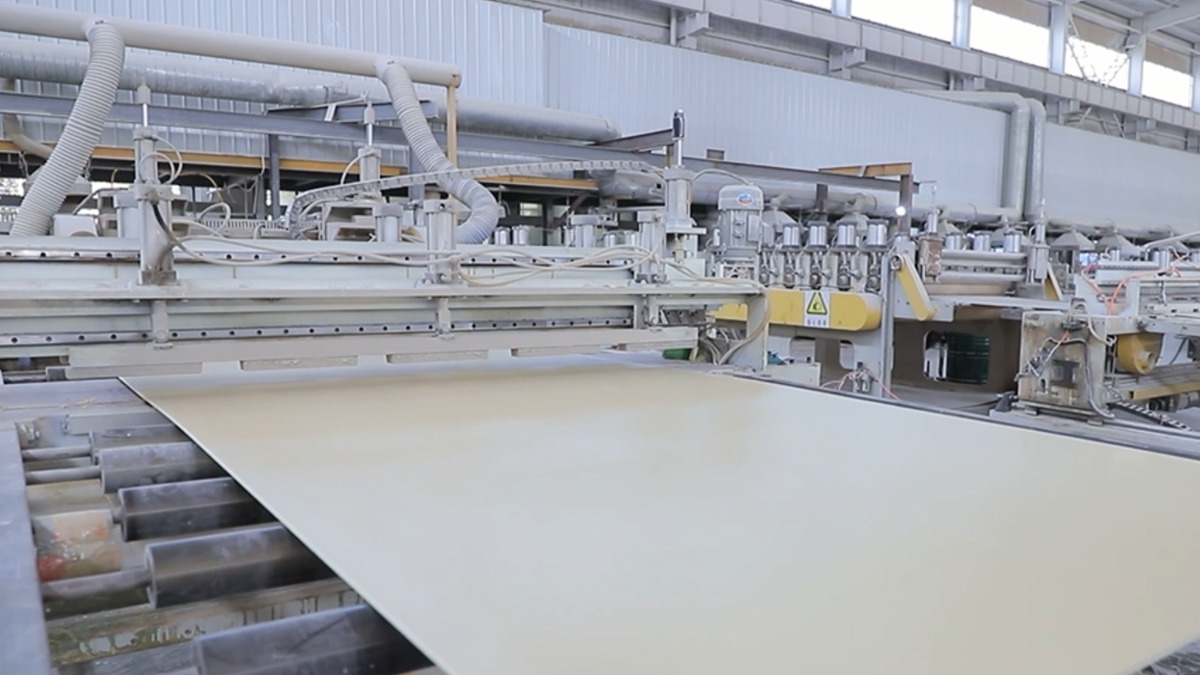
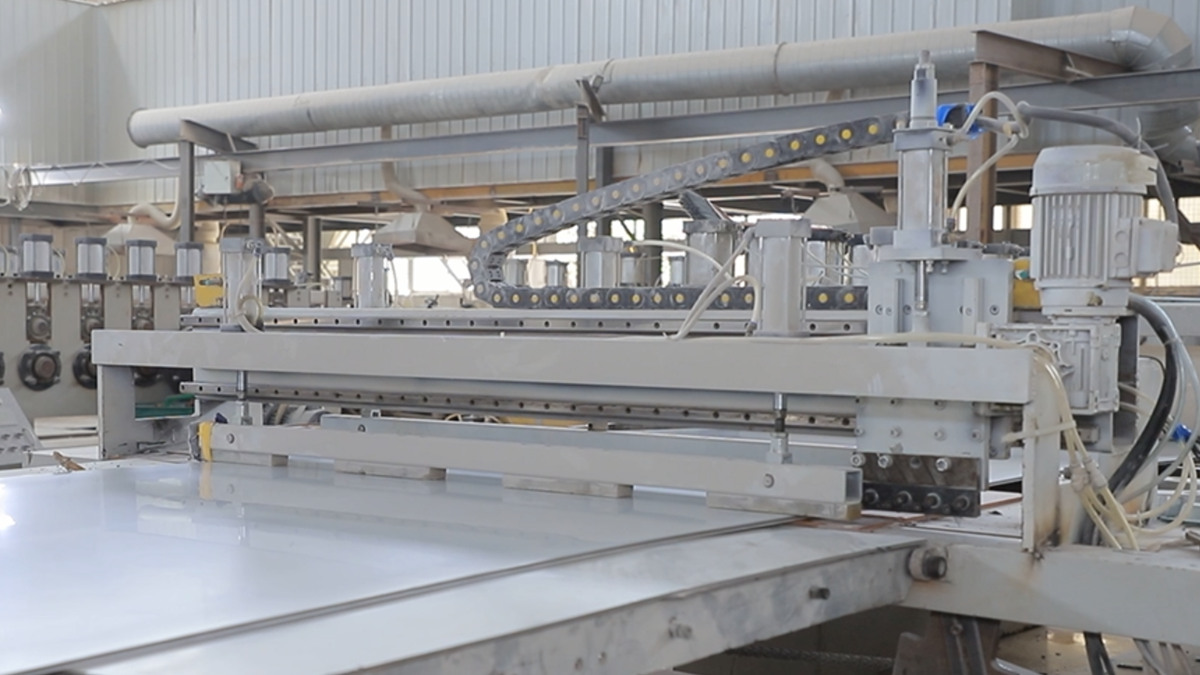
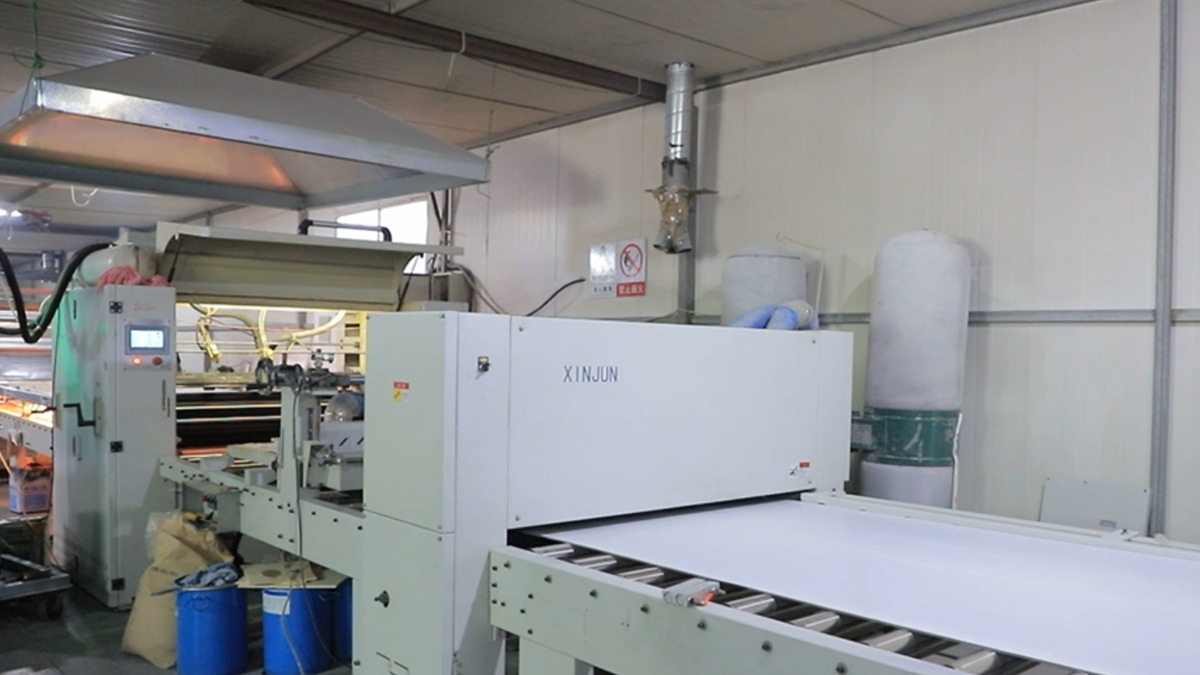
Why top global distributors, importers, and general contractors source anti-slip composite flooring directly from Foshan's manufacturing hub.
Foshan is the epicenter of global building materials manufacturing. This geographic concentration gives Foshan Haven direct, immediate access to high-purity PVC resins, premium limestone powders, eco-friendly stabilizers, and international shipping ports (Nansha, Yantian, Shekou). This proximity reduces raw material transport costs by up to 15% compared to isolated production facilities.
We offer complete customization of anti-slip friction coefficients (DCOF 0.42 to 0.70+), wear layer thickness (0.3mm, 0.5mm, 0.7mm), plank dimensions, click-lock systems (Unilin, Valinge), and underlayment options (IXPE/EVA sound dampening). Overseas partners receive tailored architectural solutions for local building codes.
Every export production batch undergoes stringent testing for abrasion resistance (Taber abrasion test), fire safety (Class Bfl-s1), moisture absorption, and non-slip surface friction retention under wet conditions. Products comply fully with ISO9001 quality management and ISO14001 environmental standards.
Anticipating next-generation architectural demands through bio-mimetic texture design, nano-scale coatings, and circular economy material science.
Emerging surface research focuses on integrating hydrophobic and oleophobic nano-structures into UV topcoats. These microscopic pillars repel oil and grease buildup in commercial kitchens while maintaining high tactile skin/shoe friction, significantly reducing maintenance overhead while boosting safety.
To meet global net-zero carbon targets, future composite decking and flooring lines are transitioning toward 100% bio-based binding resins and post-consumer recycled plastics. Foshan Haven is pioneering low-carbon WPC formulations that maintain full structural strength and anti-slip integrity.
By modeling surface textures after biological micro-structures (such as gecko foot pads and lotus leaves), next-gen flooring achieves micro-vacuum adhesion upon pressure application, delivering unmatched anti-slip performance in wet ramps, pools, and industrial washdowns.
Detailed answers for architects, procurement directors, and importers regarding anti-slip specifications, manufacturing processes, and international logistics.
German DIN 51130 R-ratings measure friction on an inclined oil-covered ramp. R9 (6°-10°) is suitable for standard dry indoor areas like offices and bedrooms. R10 (10°-19°) is designed for public corridors, hotel lobbies, and residential bathrooms. R11 (19°-27°) is required for outdoor patios, pool surrounds, and commercial washrooms. R12 (27°-35°) and R13 (>35°) are specified for heavy industrial grease environments, food production lines, and steep exterior loading ramps.
With over 18 years of manufacturing expertise, an annual turnover exceeding $35 Million USD, and an integrated industrial footprint in Foshan, Foshan Haven offers complete end-to-end customization. We control raw material blending, high-pressure extrusion, surface UV treatment, precise profiling, and export container packing—ensuring consistent batch-to-batch COF values and competitive direct-factory pricing.
Yes. SPC flooring engineered by Foshan Haven contains up to 70% calcium carbonate (limestone core), providing exceptional dimensional stability up to 60°C. Underfloor heating does not soften or degrade the wear layer or UV coating, ensuring that wet DCOF ratings (>0.50) remain completely unchanged during operation.
Traditional timber absorbs water, causing wood fibers to swell, splinter, and develop slippery algae growth. Co-extrusion WPC features a 360-degree non-porous polymer shield surrounding the composite core. It absorbs virtually zero moisture (<0.5%), resists mold and algae proliferation, and features deep embossed grain patterns that maintain high traction under heavy rain.
All export shipments are accompanied by comprehensive technical documentation, including ISO9001 and ISO14001 factory certifications, CE compliance certificates, FloorScore® indoor air quality reports, ASTM E648 fire safety test reports, and third-party lab DCOF / PTV slip test reports (SGS / Intertek).
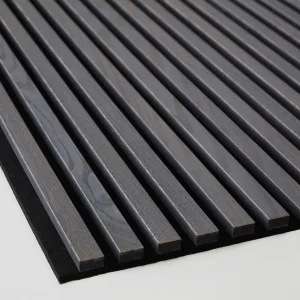
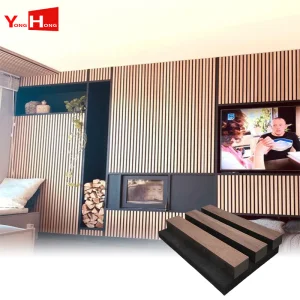
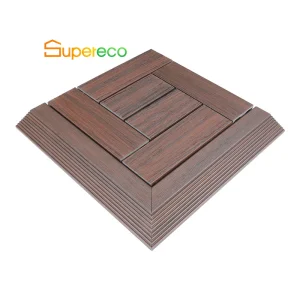
Complete your space with our engineered acoustic panels, flexible clay stone tiles, fiber cement sidings, and interlocking composite deck tiles.
 Haven Decoration