Engineered fire-resistant composite elements, flooring solutions, and decorative panels designed to exceed stringent global architectural safety criteria.
In modern architecture, high-density fireproof boards are no longer considered optional accessories; they are vital, non-negotiable structural elements mandated by legal frameworks worldwide. With structural fire safety occupying center stage in urban planning, the market demand for Class A1 (non-combustible) and Class B1 (flame retardant) cladding, wall systems, and ceiling panels is experiencing unparalleled growth. This commercial trajectory is heavily driven by building codes such as the European EN 13501-1 standard, the American ASTM E84 testing profiles, and British Standards (BS 476). These rigorous protocols strictly evaluate smoke propagation, toxic fume output, and heat release speed, forcing contractors and real estate developers to source verified, highly resilient building materials.
As the construction landscape pivots toward high-performance materials, fireproof technology must adapt to sustain modern aesthetic requirements. The integration of polymer matrices, fiber-cement cores, and modified clay technologies has paved the way for lightweight, structural boards that deliver both visual versatility and superior thermodynamic barriers. Major commercial high-rises, commercial offices, healthcare facilities, and transport terminals require materials that prevent flashovers while seamlessly fitting into complex architectural layouts.
Fireproof and flame-retardant boards are categorized based on their behavior during thermal stress. Under the European Standard EN 13501-1, classifications range from Class A1 (the highest standard, denoting fully non-combustible materials) to F. To achieve CE Certification, a manufacturer must put their materials through rigorous Single Burning Item (SBI) testing (EN 13823) and heat of combustion tests (EN ISO 1716).
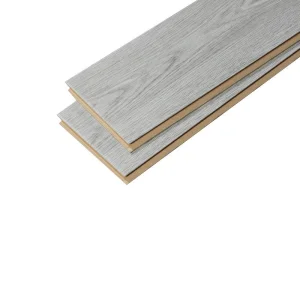
For polymer-based and composite components, such as premium SPC flooring and specialized PVC panels, our formulations incorporate inorganic flame retardants like Alumina Trihydrate (ATH) or Magnesium Hydroxide. Under heat exposure, these compounds undergo an endothermic reaction, releasing water molecules that actively cool the surface and form a robust carbonaceous char layer. This barrier prevents oxygen from contacting the polymer substrate underneath, significantly reducing the generation of toxic carbon monoxide and smoke.
Established in 2005, Foshan Haven Decoration Co., Ltd. is a leading manufacturer specializing in high-quality PVC ceiling and wall panels. Over the years, we have expanded our product range to include a diverse selection of interior decorative materials, becoming a prominent name in the industry. With a commitment to excellence, we are proud to deliver innovative and reliable products that meet the ever-changing needs of our customers.
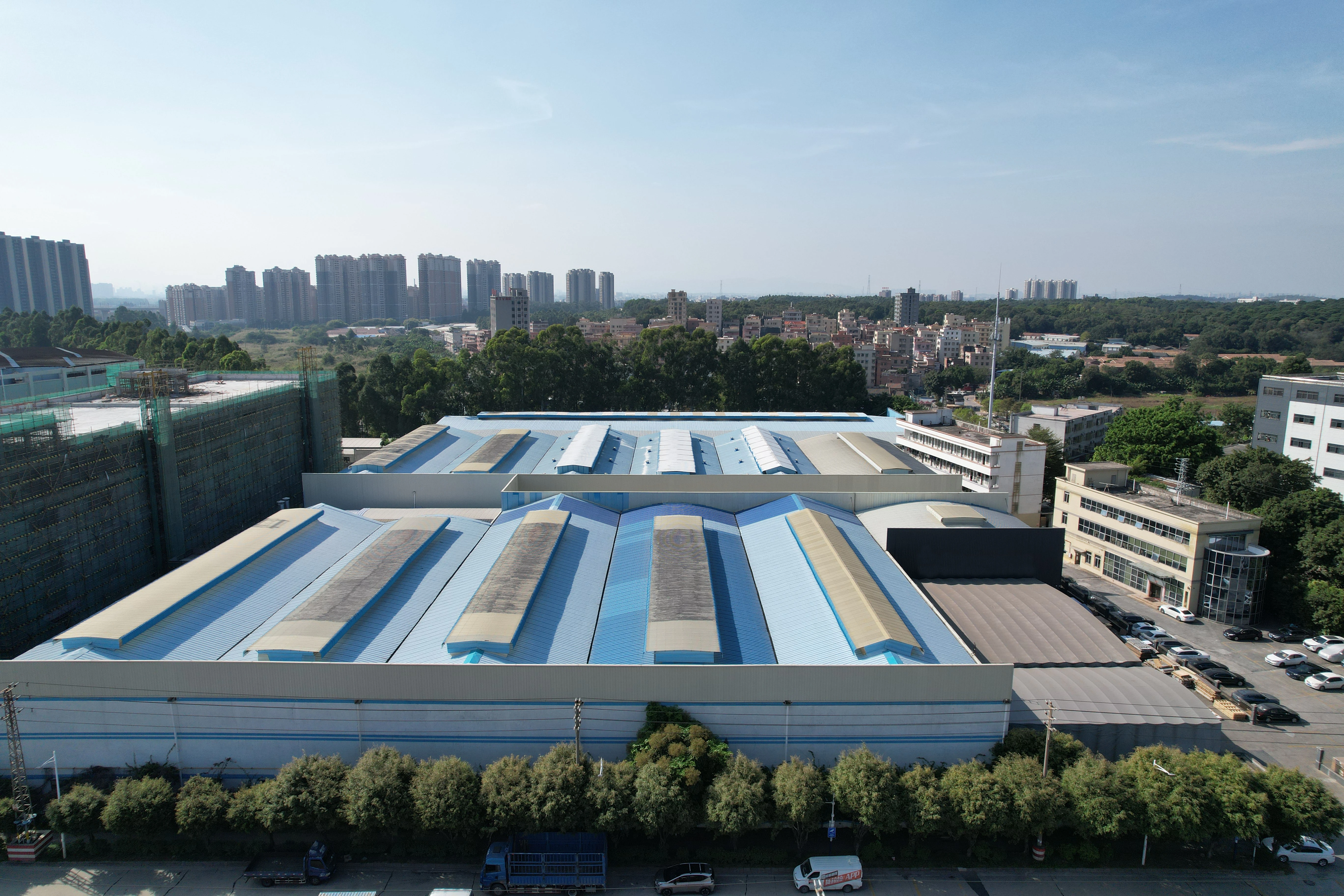
At Foshan Haven, we don’t just manufacture products—we create solutions that transform spaces. Every product we produce is infused with creativity and precision, designed to offer endless possibilities for interior design. Our dedication to quality and customer satisfaction is at the heart of everything we do, ensuring that each item reflects our core values of innovation, sustainability, and durability.
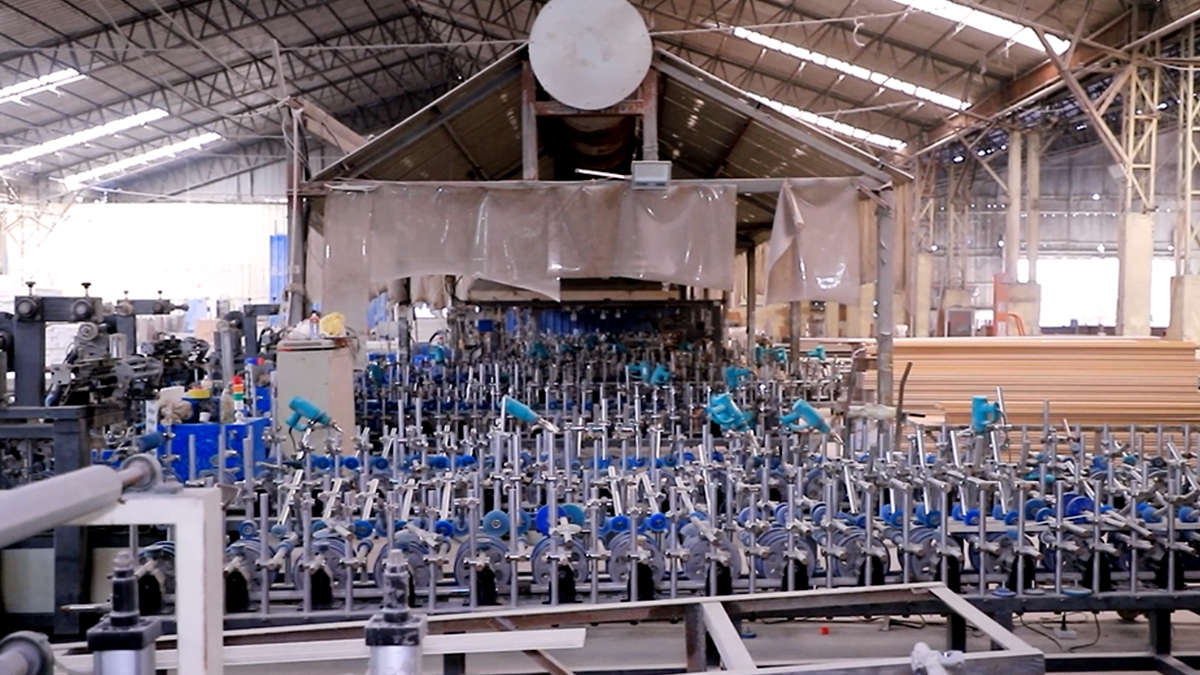
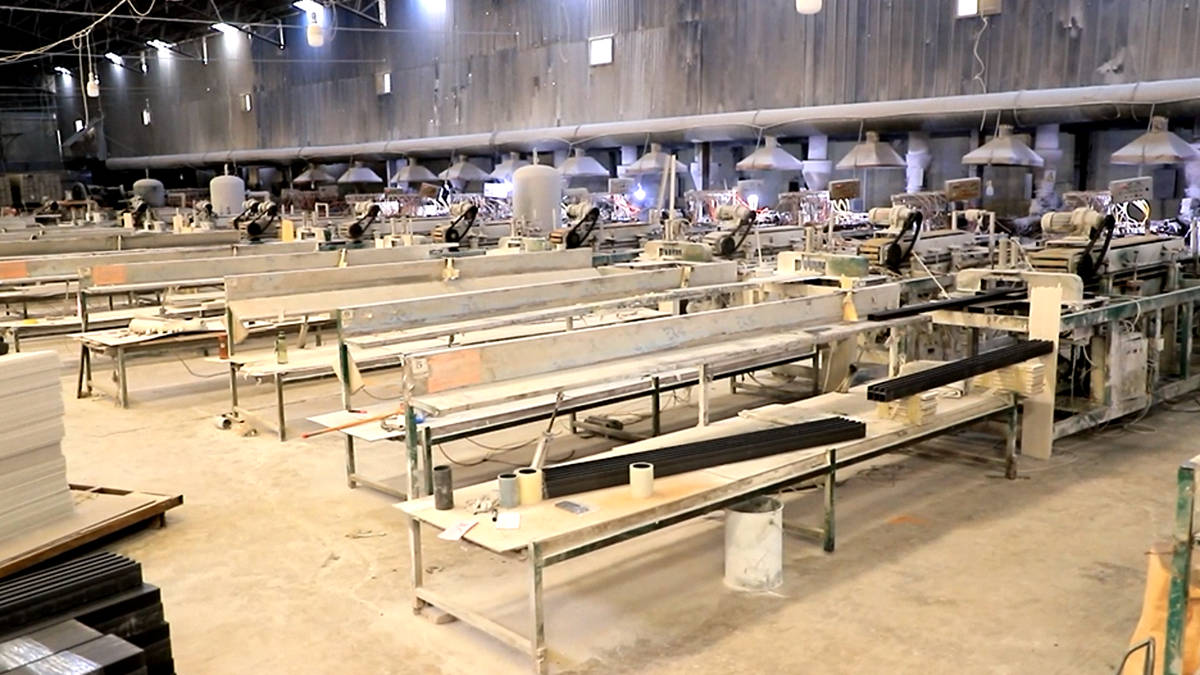
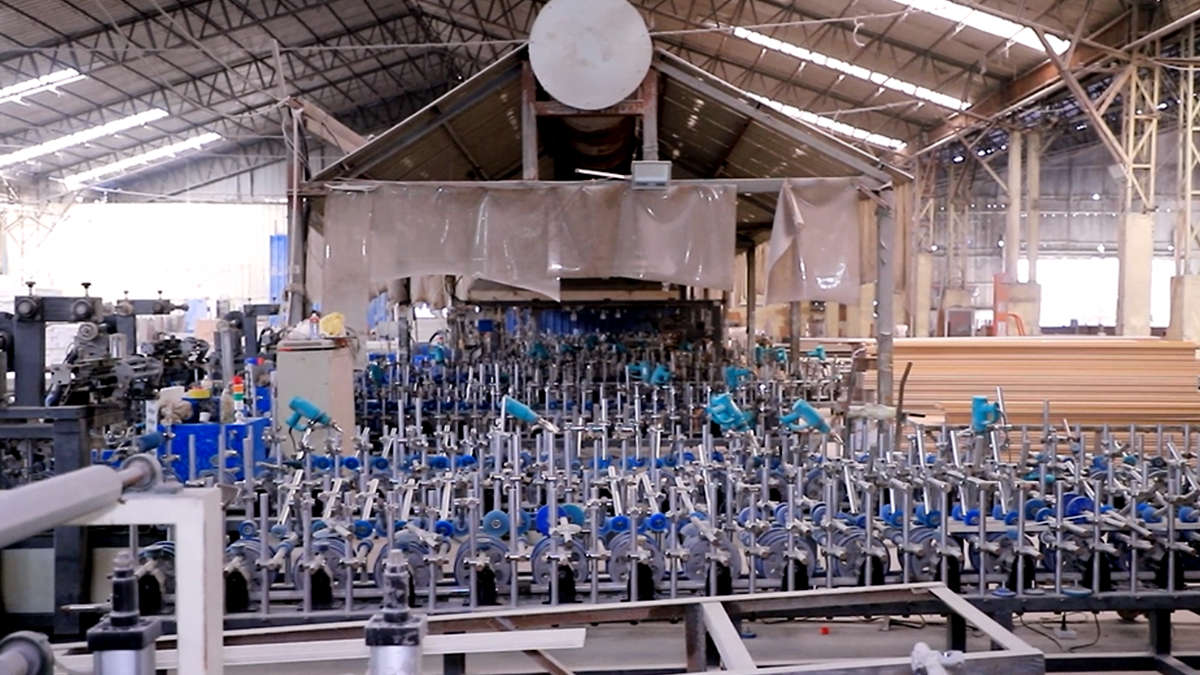
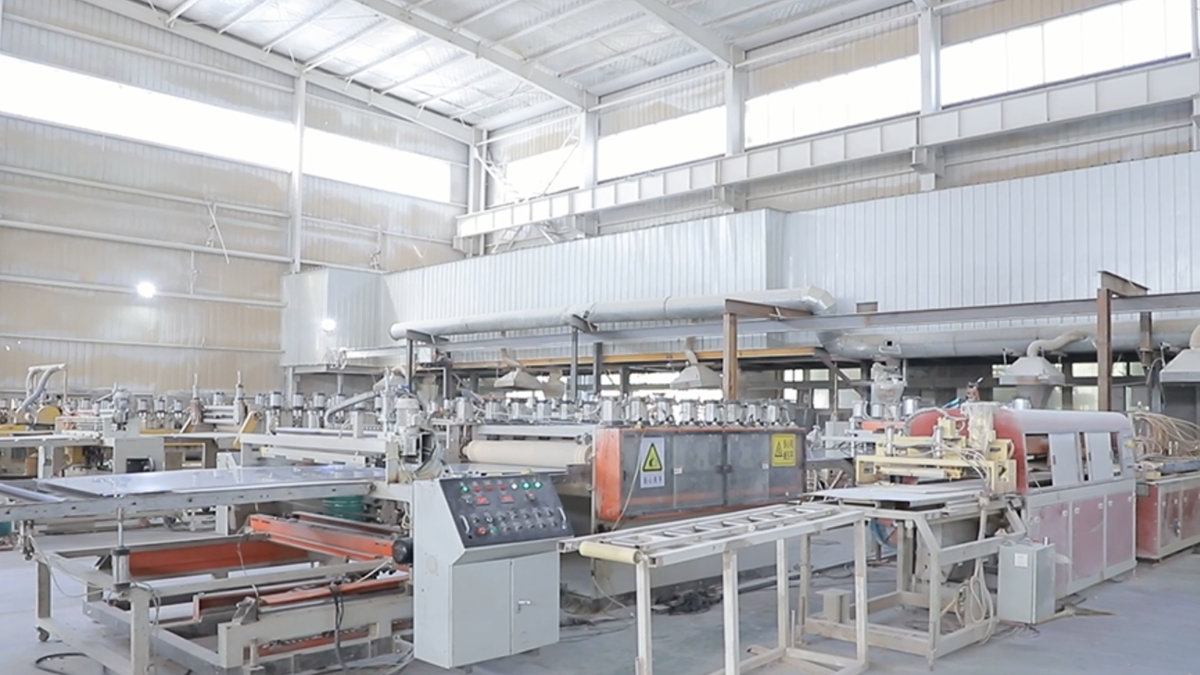
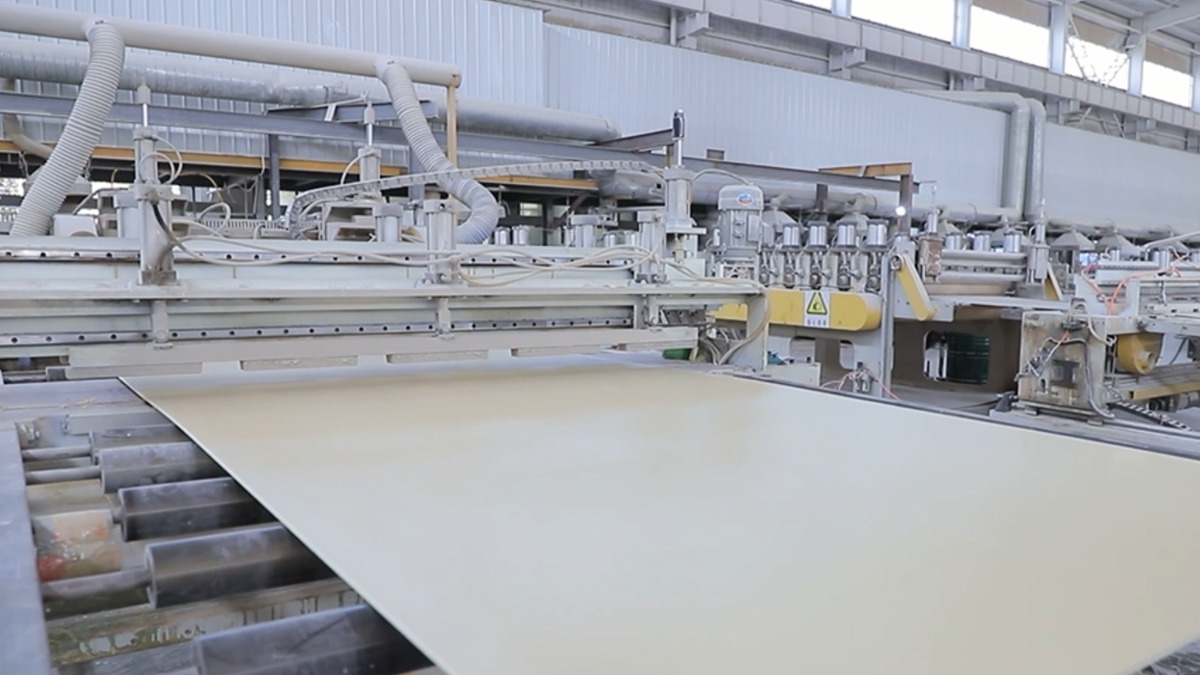
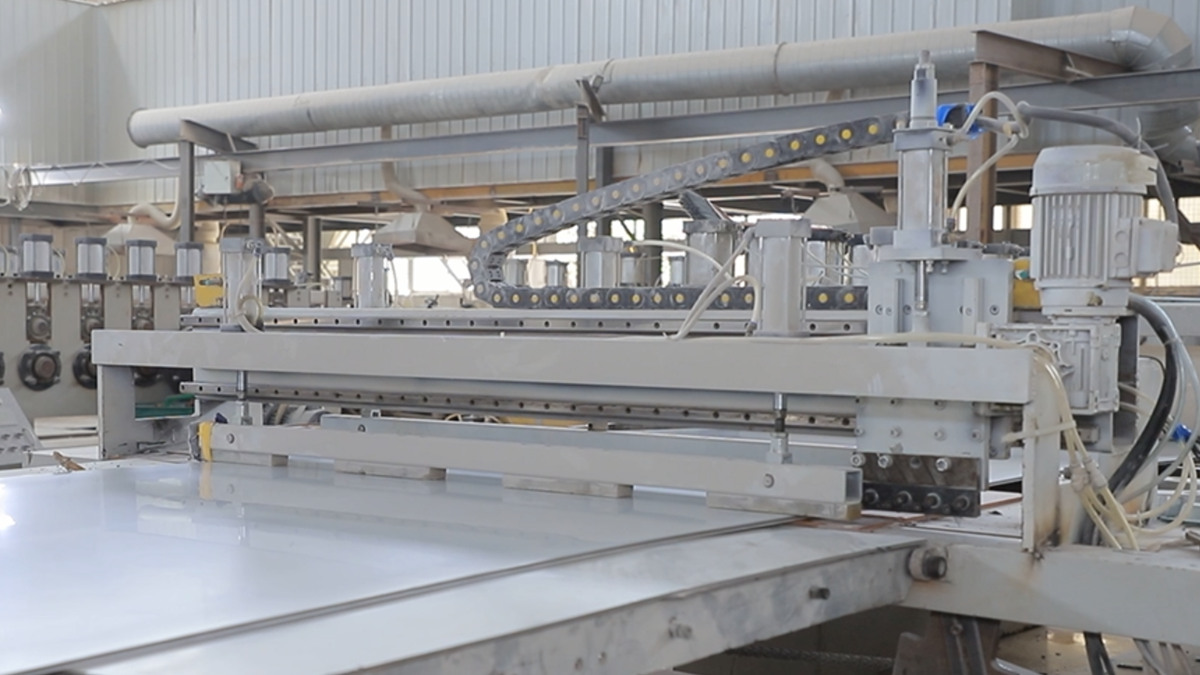
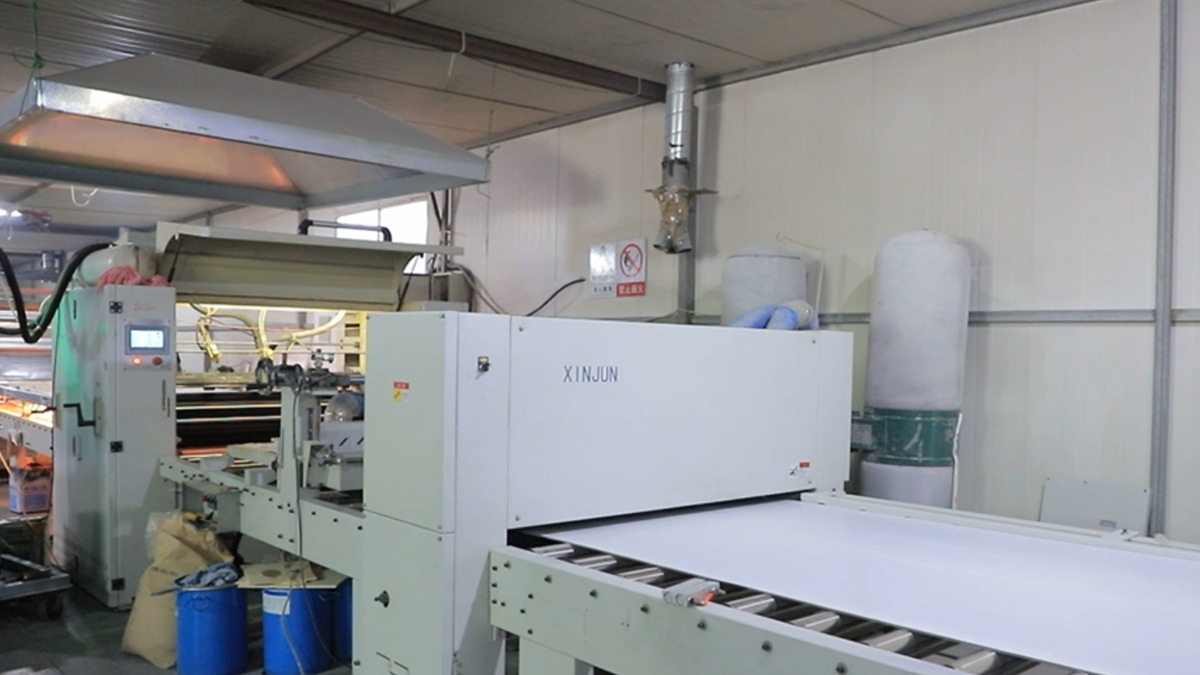
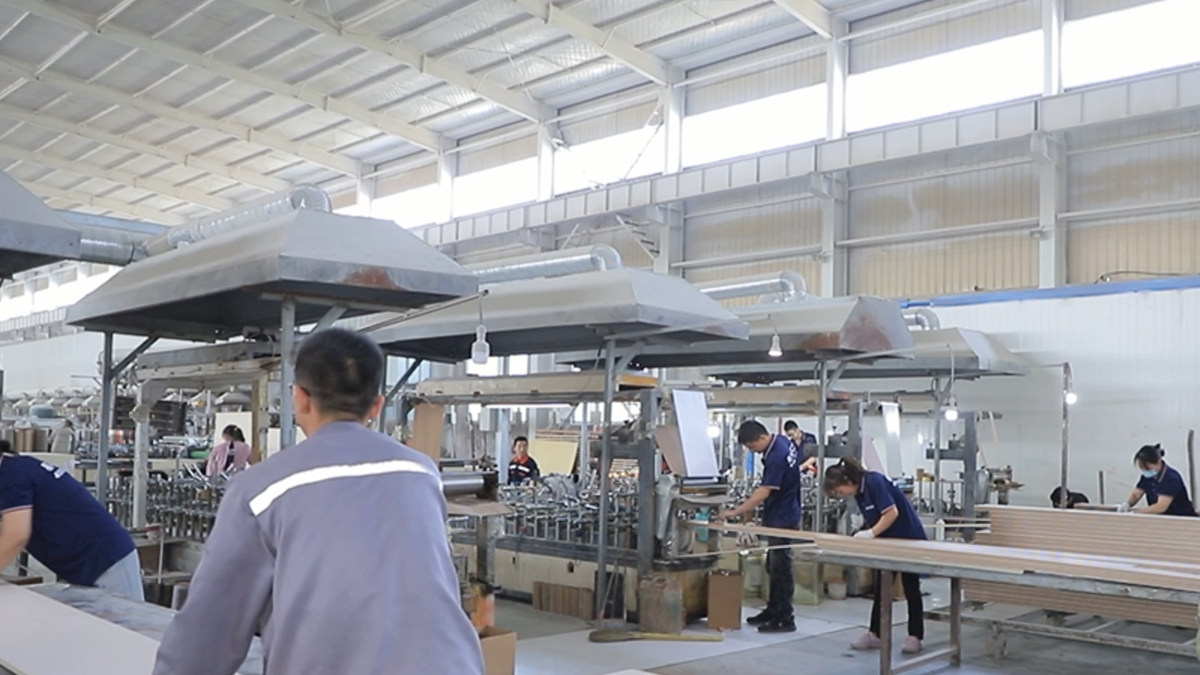
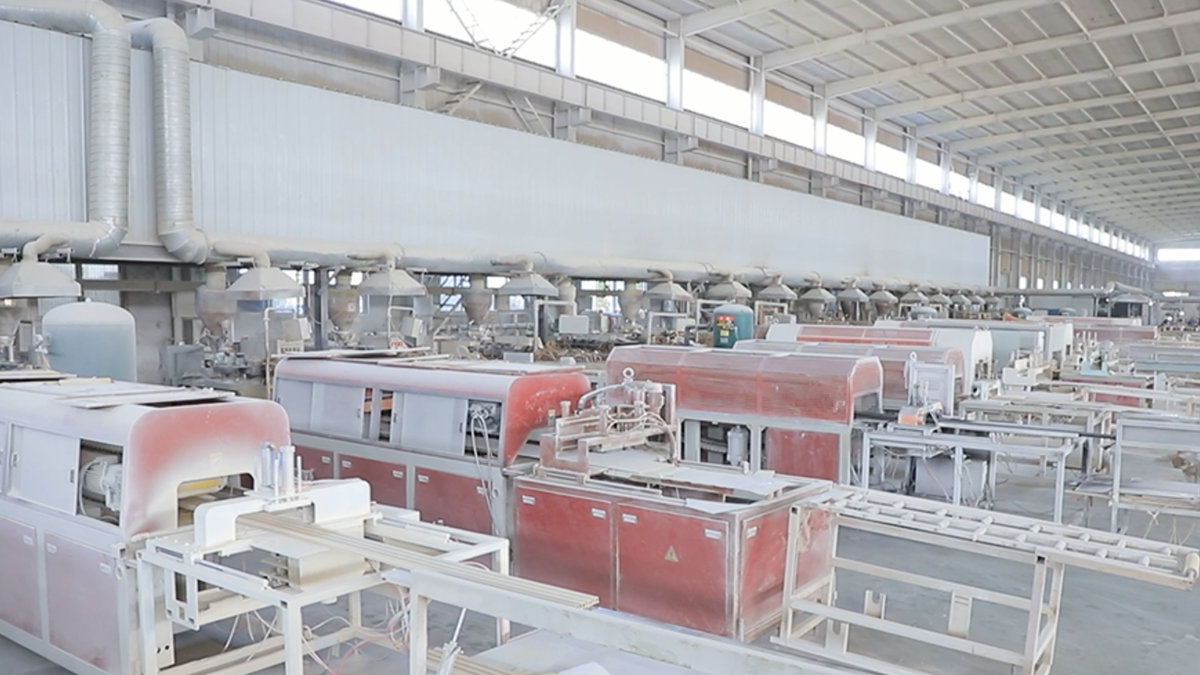
Located in Foshan, Guangdong—the heart of China's industrial manufacturing powerhouse—our facility houses state-of-the-art extrusion lines, modern laminating systems, and highly calibrated post-treatment equipment. Operating with an annual sales turnover exceeding 35 million USD, our client base spans across global distributors, project contractors, and architectural design firms who demand uncompromising compliance standards.
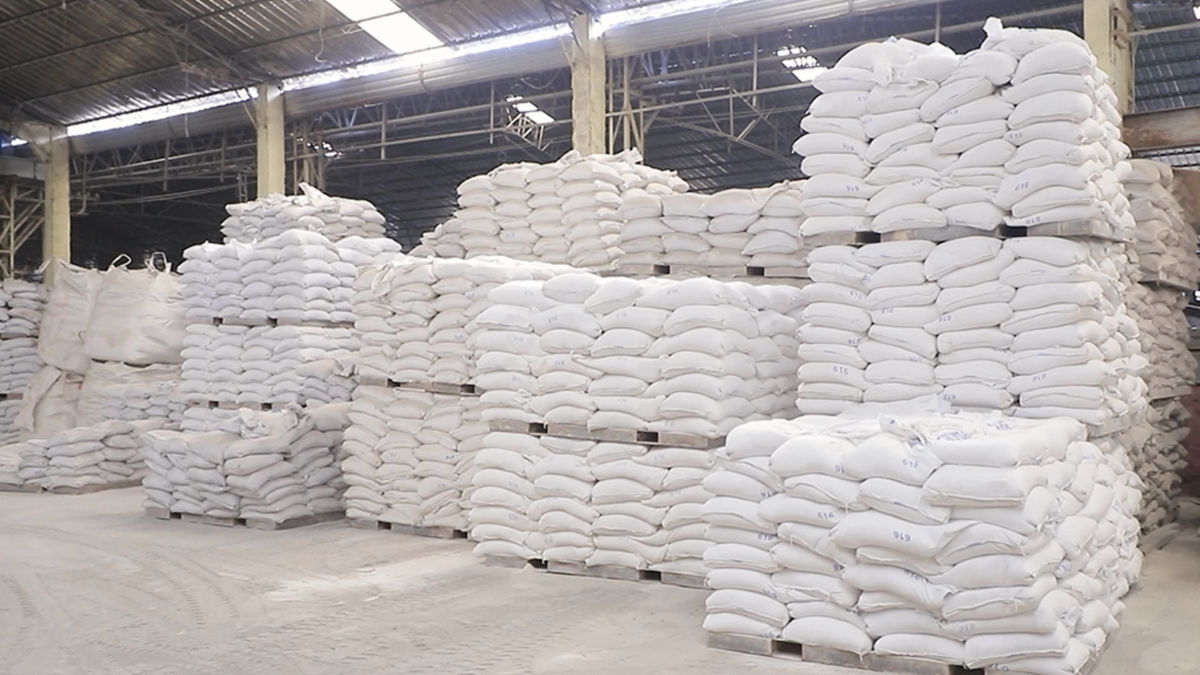
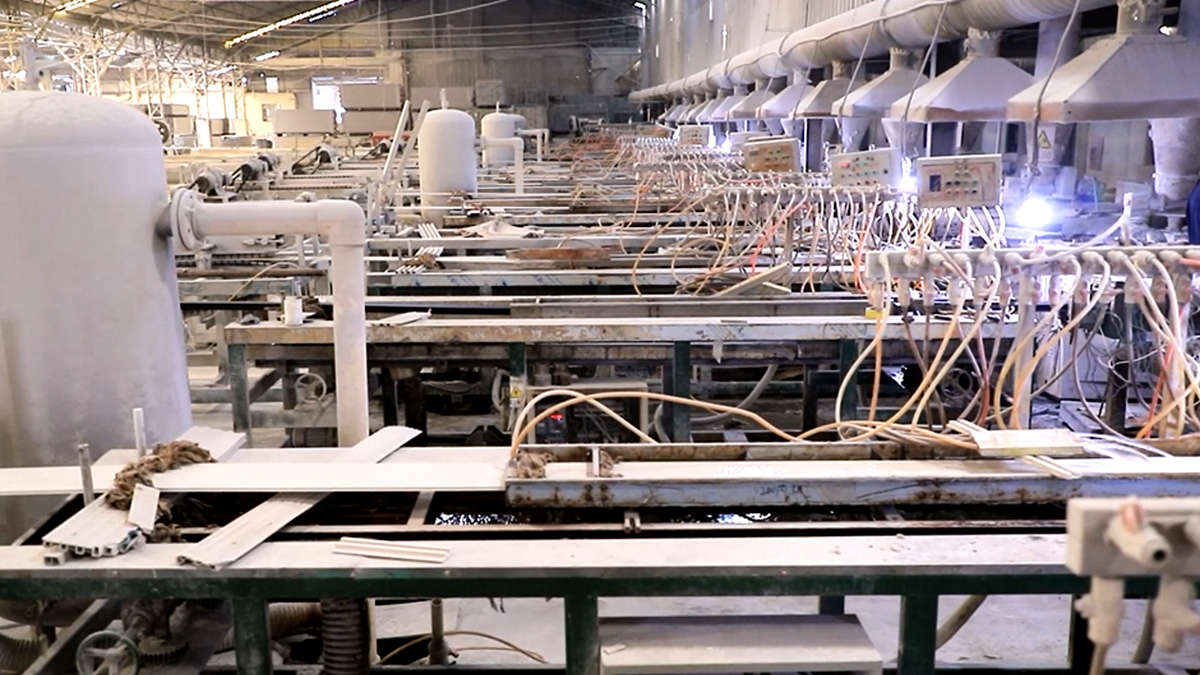
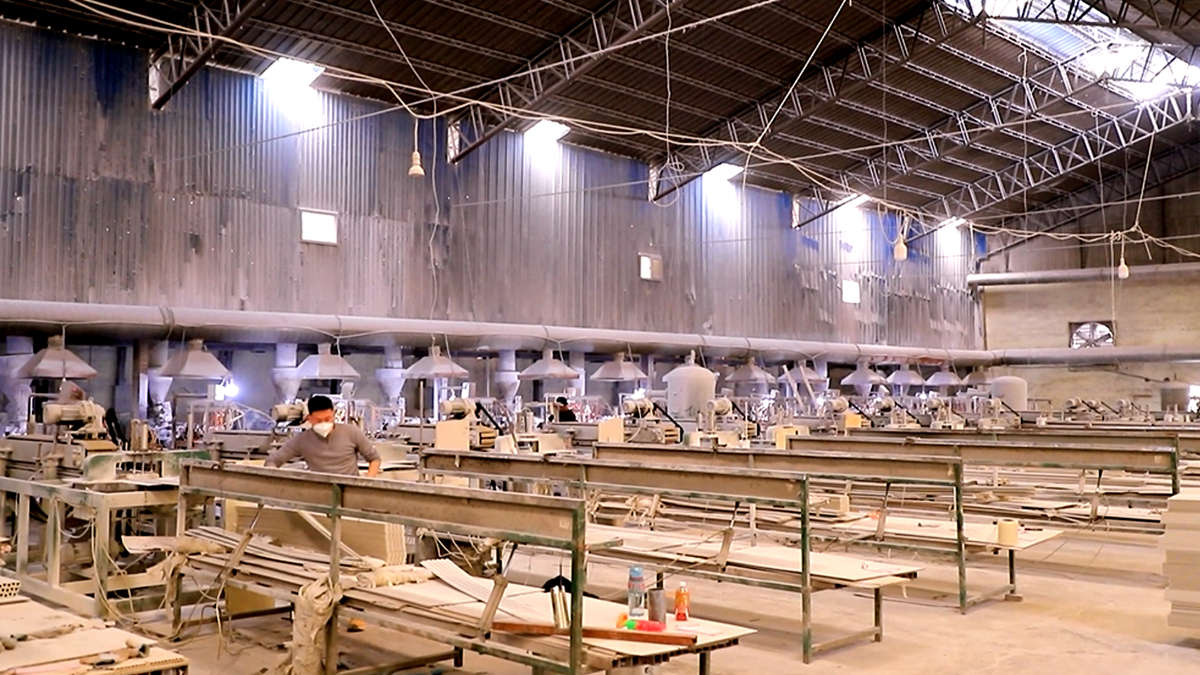
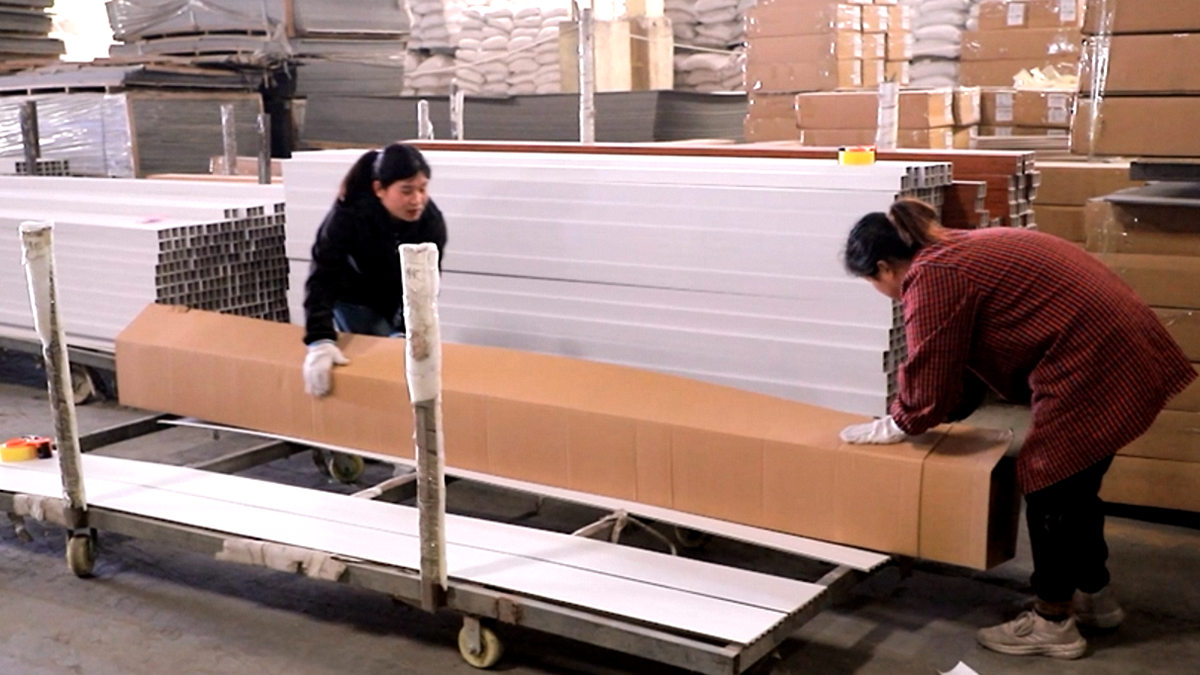
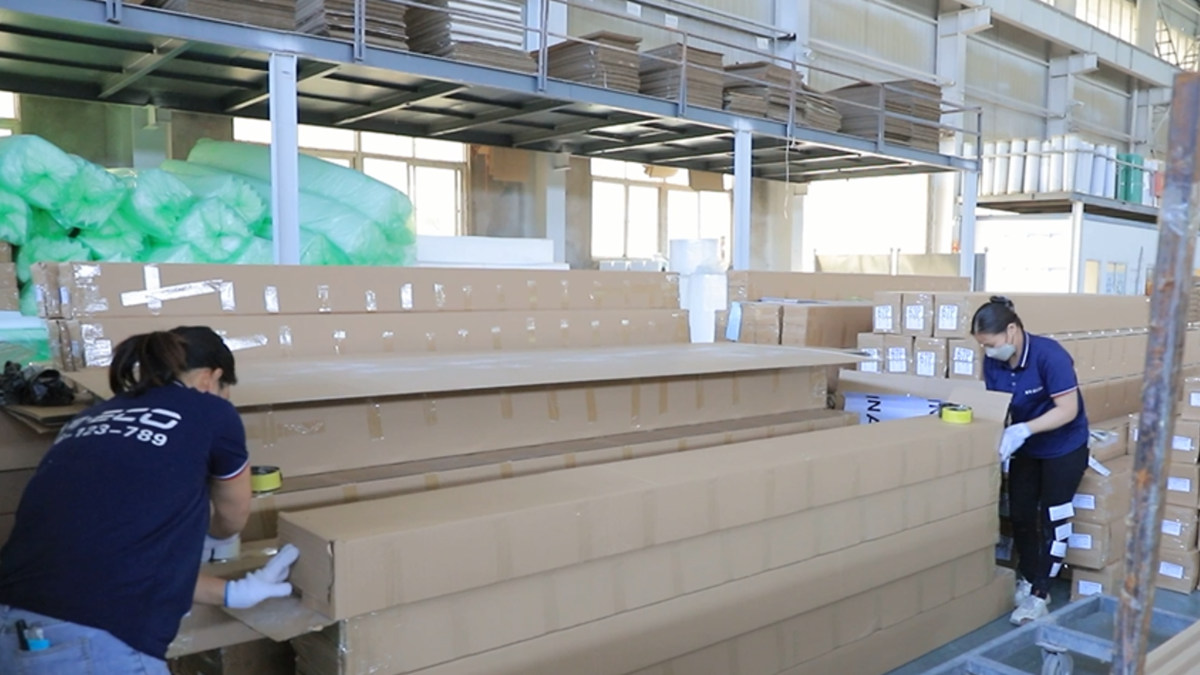
Our raw material compounding and physical extrusion processes are managed under strict control loops. To achieve fire resistance alongside physical structural stability, we optimize resin density, mineral fillers, and stabilizers. Below is a comprehensive look at the step-by-step production flow within our Foshan facility:
In accordance with global green initiatives, modern building designs must comply with both local fire codes and rigorous ecological certifications. At Foshan Haven, we actively enforce sustainable production cycles. Our raw material sourcing avoids hazardous plasticizers (such as phthalates) and reduces heavy metal usage in compliance with EU REACH regulations.
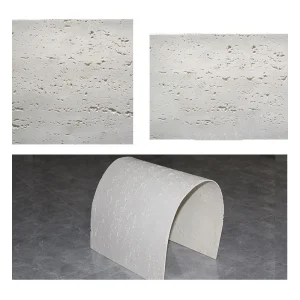
Furthermore, our WPC and Modified Clay Materials (MCM) utilize post-industrial recycled wood fibers and natural clays. This design concept enables our products to qualify for LEED (Leadership in Energy and Environmental Design) points, aiding developers globally in obtaining green building certifications.
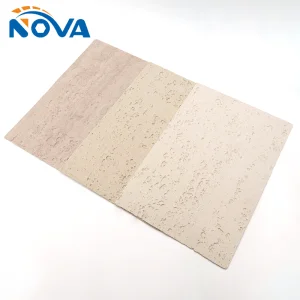
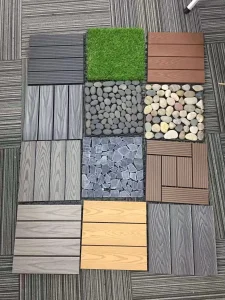
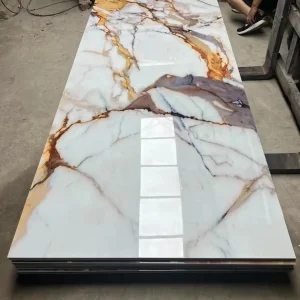
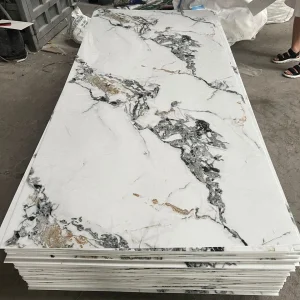
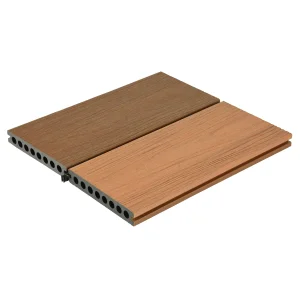
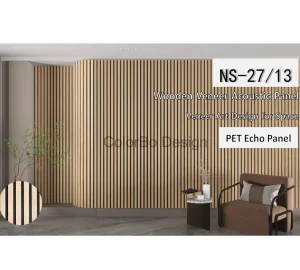
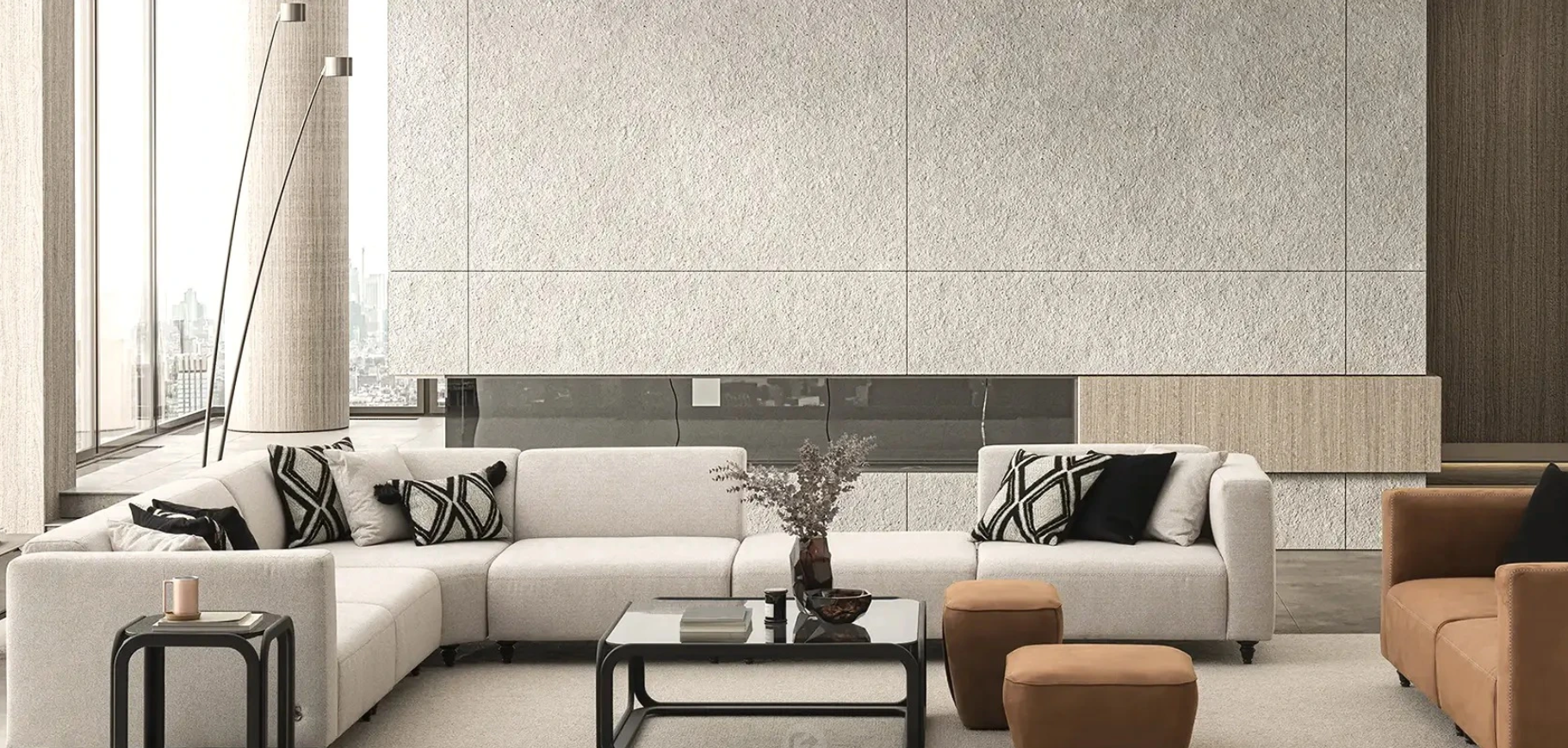
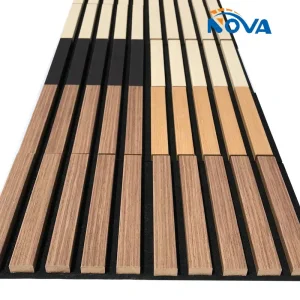
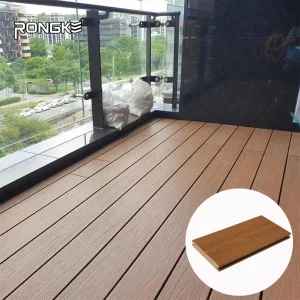
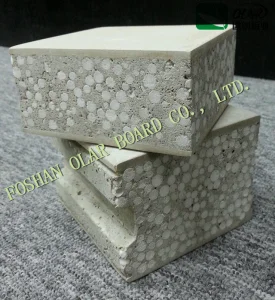
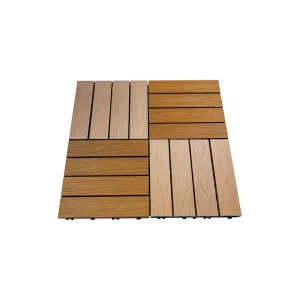
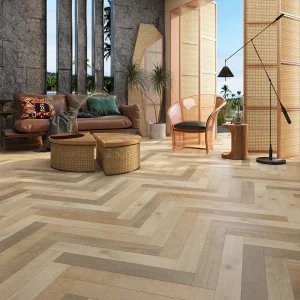
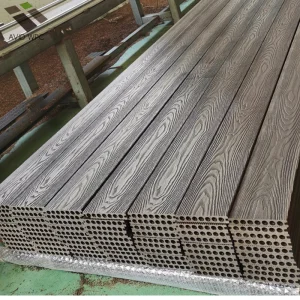
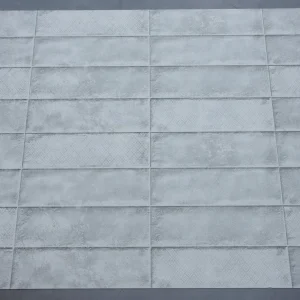
Our product categories are designed to satisfy distinct interior and exterior design mandates. By combining polymer engineering with high-performance composites, we supply:
Fire regulations differ significantly between geographic regions. To successfully export to international markets, materials must comply with specific testing protocols:
Foshan’s industrial cluster provides an unparalleled logistics and supply chain ecosystem. As direct exporters, we offer three main operational advantages to our international procurement partners:
Essential regulatory, structural, and procurement insights for commercial contractors and global sourcing managers.
CE certification proves that a product meets EU health, safety, and environmental standards. Under the Construction Products Regulation (CPR), any fireproof board sold in the EEA must carry a CE mark and a Declaration of Performance (DoP), ensuring the product is tested to EN 13501-1 standards.
Class A1 boards are completely non-combustible and do not contribute to fire growth at any stage. Class B1 boards are flame-retardant; they will ignite under sustained flame contact but show very limited flame spread and will self-extinguish when the heat source is removed.
Yes. While natural wood fibers are flammable, we add specialized mineral flame retardants to our WPC compounds. This allows us to achieve Class B1/Class Bfl-s1 fire ratings, making them suitable for commercial terraces, facades, and public areas.
We run automated lamination equipment that applies film coatings at controlled temperatures. This prevents bubbling, peeling, or delamination, even when panels are installed in high-humidity areas like bathrooms or exterior installations.
We pack all orders in heavy-duty cardboard boxes protected by PE film wrap, reinforced with structural corners, and stacked on export pallets. This setup protects the panels from moisture and structural damage during ocean transit.
Yes, we provide full OEM and ODM services. We can adjust board densities, core compositions, dimensional profiles, and surface patterns to meet the specific fire-safety and design requirements of your local market.
A full range of certified solutions for walls, ceilings, and flooring projects worldwide.
 Haven Decoration