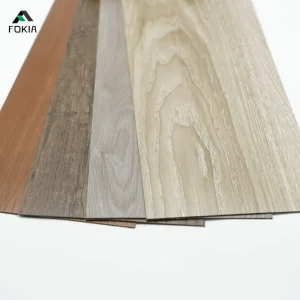
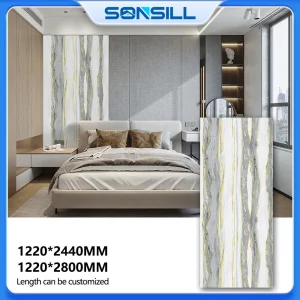
Engineered to satisfy stringent global standards. Hover to explore technical structural panels, exterior composite decking, LVT, and architectural acoustic systems.
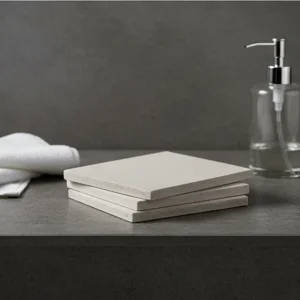
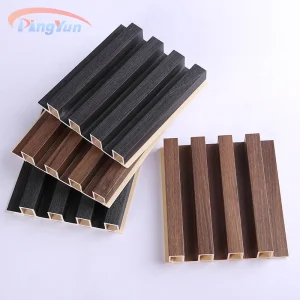
Analyzing key structural shifts from traditional flooring materials to advanced engineered composite modules.
The global construction and architectural surfaces sector is undergoing a profound paradigm shift. Traditional flooring installations—typically characterized by heavy, wet-process materials like ceramics or solid hardwoods—are rapidly yielding market share to engineered modular flooring systems. Driven by the critical requirements of speed-to-market, cost-efficiency, carbon minimization, and lifecycle durability, architects and developers now demand flooring products that combine high spatial performance with simplified installation workflows.
Modular flooring, which includes Solid Polymer Composite (SPC), Wood Plastic Composite (WPC), luxury vinyl tiles (LVT), and advanced mineral-based options like calcium silicate and fiber cement paneling, has evolved. Modern modules are no longer mere visual facsimiles of natural stone or timber; they are highly engineered systems optimized for specific physical behaviors. For instance, the inclusion of robust interlocking tongue-and-groove profiles, acoustically absorbent base layers, and mineral-stabilized cores has allowed modern flooring products to mitigate structural issues such as thermal expansion, water absorption, and localized surface damage.
From an environmental perspective, modular systems play an essential role in green building certifications such as LEED and BREEAM. By incorporating recycled polymers, utilizing natural minerals (such as calcium carbonate), and eliminating volatile organic compounds (VOCs), manufacturers ensure indoor air quality remains optimal. Furthermore, because modular flooring is designed for disassembly, the overall waste generated during end-of-life cycles is significantly lower than that of traditional options, facilitating a circular economy in building products.
A pragmatic assessment of purchasing dynamics, supply chain constraints, and quality compliance metrics.
For international procurement teams, large-scale commercial developers, and regional distributors, the challenge of sourcing surfaces goes far beyond aesthetic selection. It requires managing supply chain vulnerabilities, ensuring compliance with local fire and environmental standards, and calculating the true Total Cost of Ownership (TCO). When procurement managers purchase modular flooring from manufacturers, they evaluate critical indicators such as structural reliability, certification paths, and logistical efficiency.
Strict European and North American building codes require rigorous fire-rating compliance (e.g., EN 13501-1 Class Bfl-s1), slip resistance ratings, and low-toxicity certifications (such as FloorScore or Greenguard Gold).
Delays in project handovers can lead to substantial financial penalties. Sourcing from large-scale factories with highly automated extrusion and laminating lines guarantees consistent, on-time deliveries.
Whether projects demand unique LVT wear layers (0.3mm to 0.7mm), tailored density variations in co-extruded exterior deck boards, or custom core formulations, buyers require highly flexible manufacturing systems.
Furthermore, global geopolitical changes and ocean freight fluctuations make container-load optimization and structural weight reduction key components of procurement strategy. Sourcing teams look for manufacturing partners that can provide composite products with optimized strength-to-weight ratios. This ensures high structural integrity and load-bearing performance while keeping ocean container weight and domestic logistics costs to a minimum.
A closer look at our manufacturing processes: from precision raw material compounding to final quality control.
Founded in 2005 and located in Foshan, Guangdong—China's primary industrial cluster for building and decorative materials—Foshan Haven Decoration Co., Ltd. has grown to become a leading designer and exporter of high-performance architectural surfaces. With a strong commitment to quality control and an annual sales turnover exceeding 35 million USD, we operate a facility designed for maximum operational efficiency, precision engineering, and product consistency.
Our manufacturing strategy centers on a continuous-feed automated production line. The production workflow combines modern extrusion, precision heating, inline lamination, and automated packaging systems, all managed by experienced engineers. By minimizing manual handling, we ensure that every batch of PVC wall panels, SPC flooring, and WPC decking exhibits consistent physical properties, uniform thickness, and precise joint profiles.

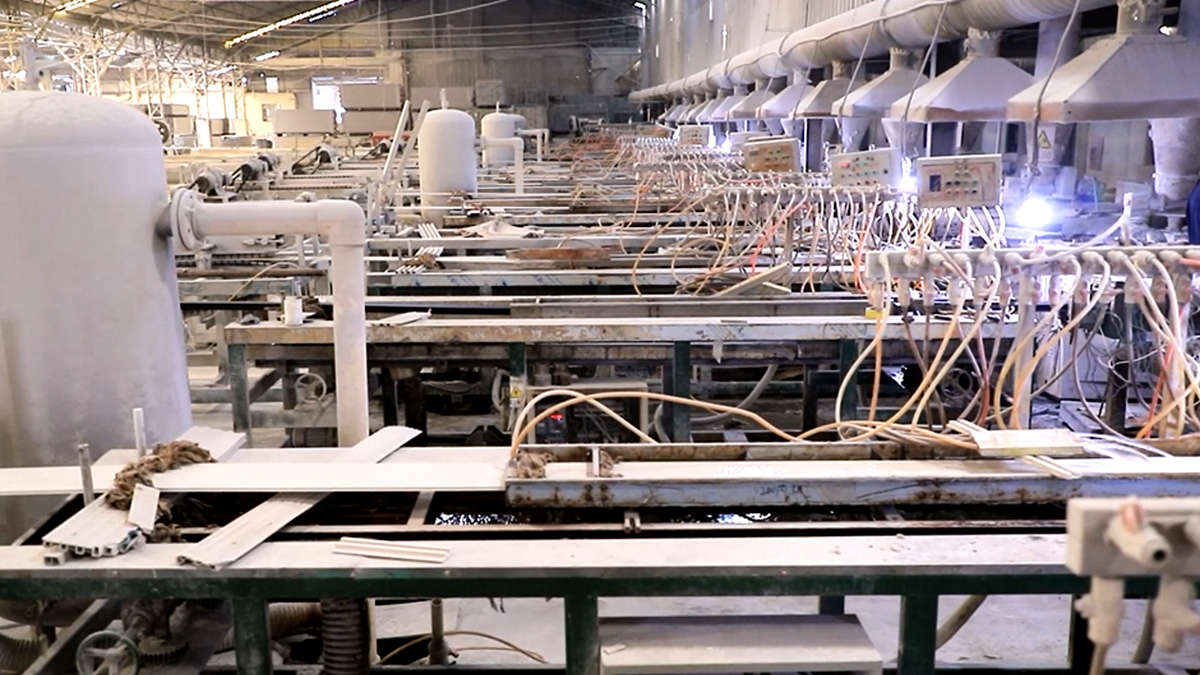
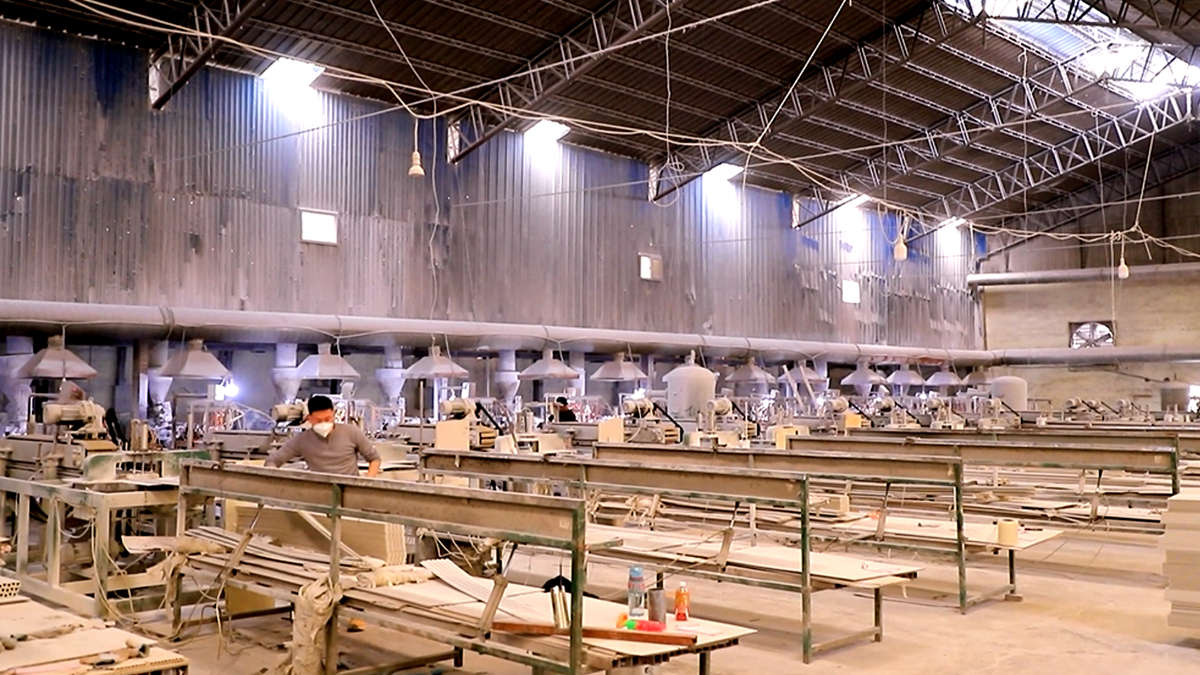
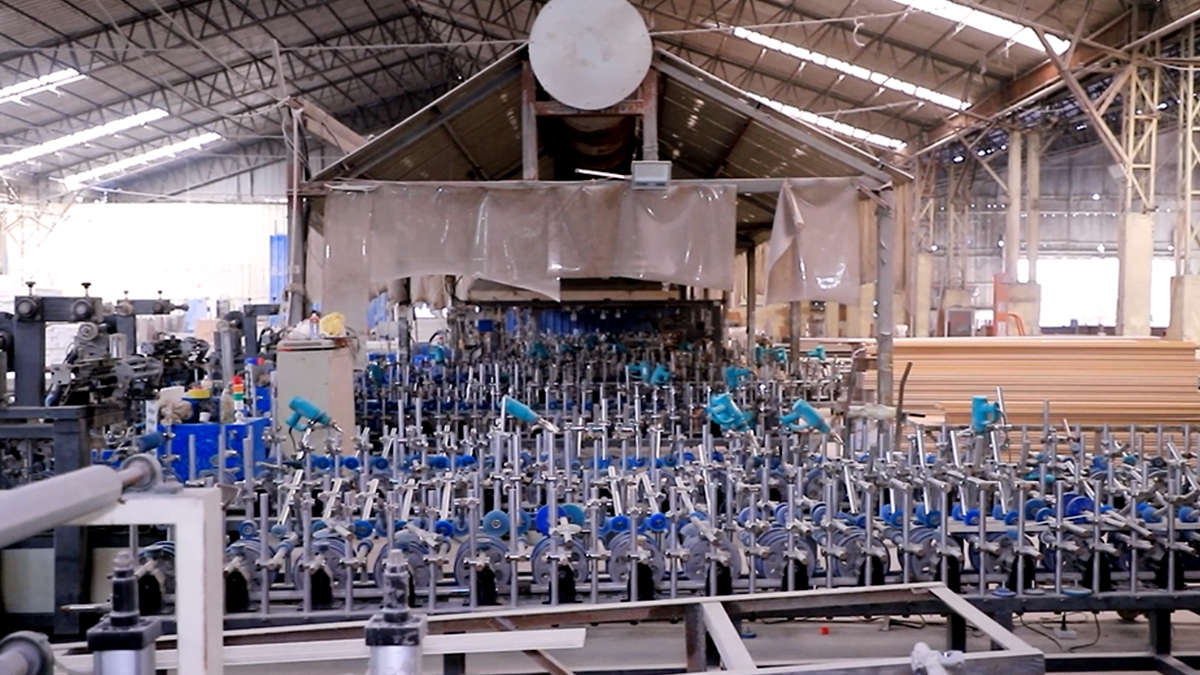
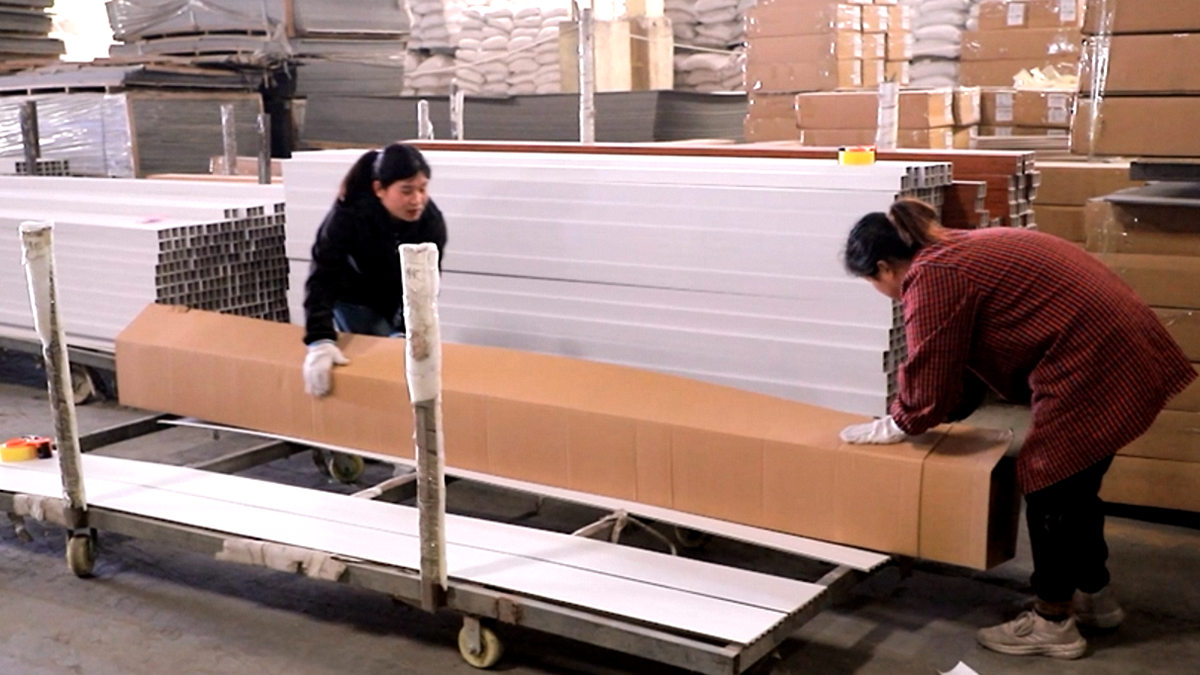
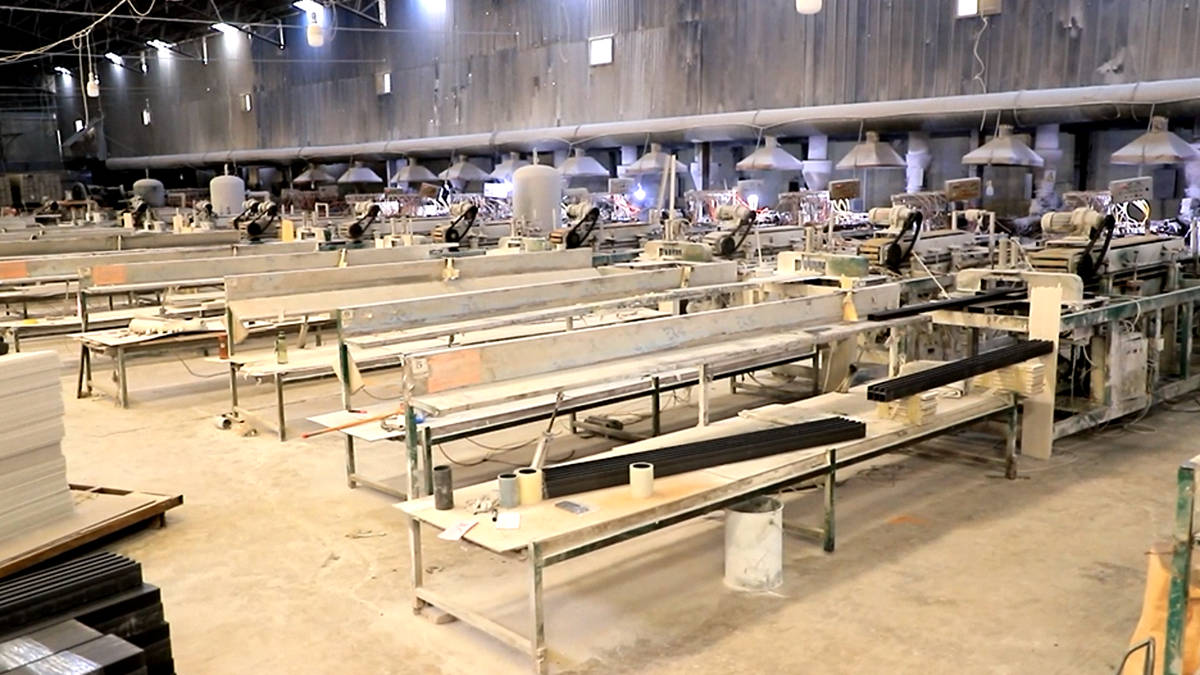
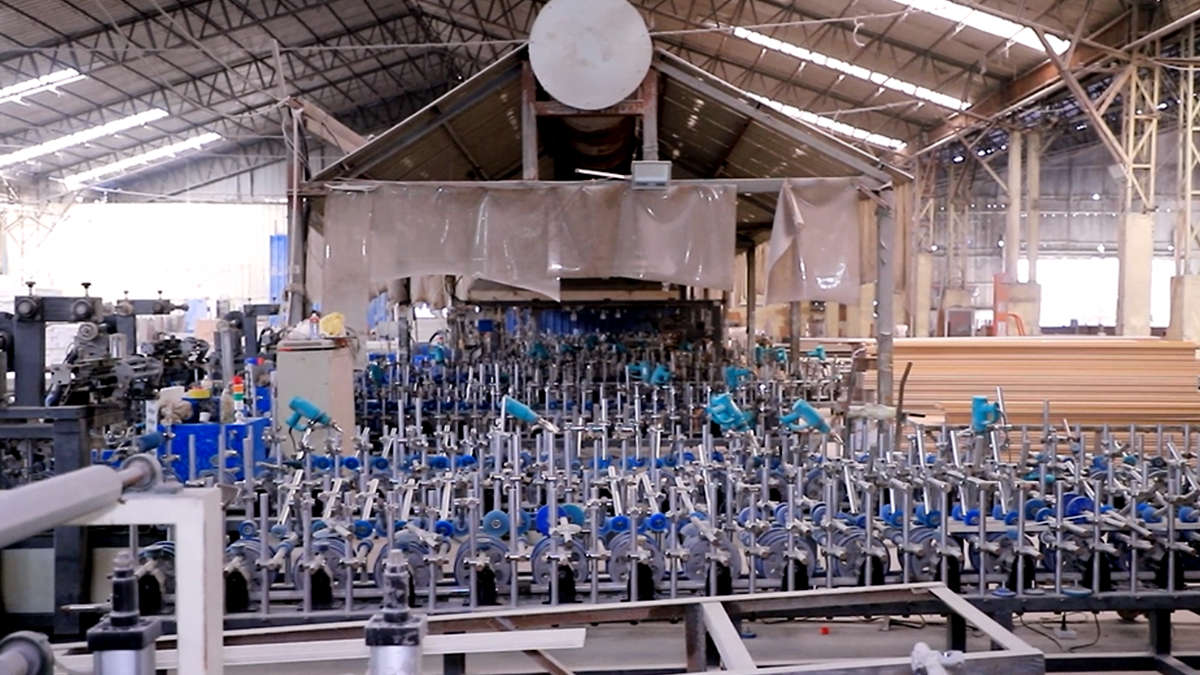
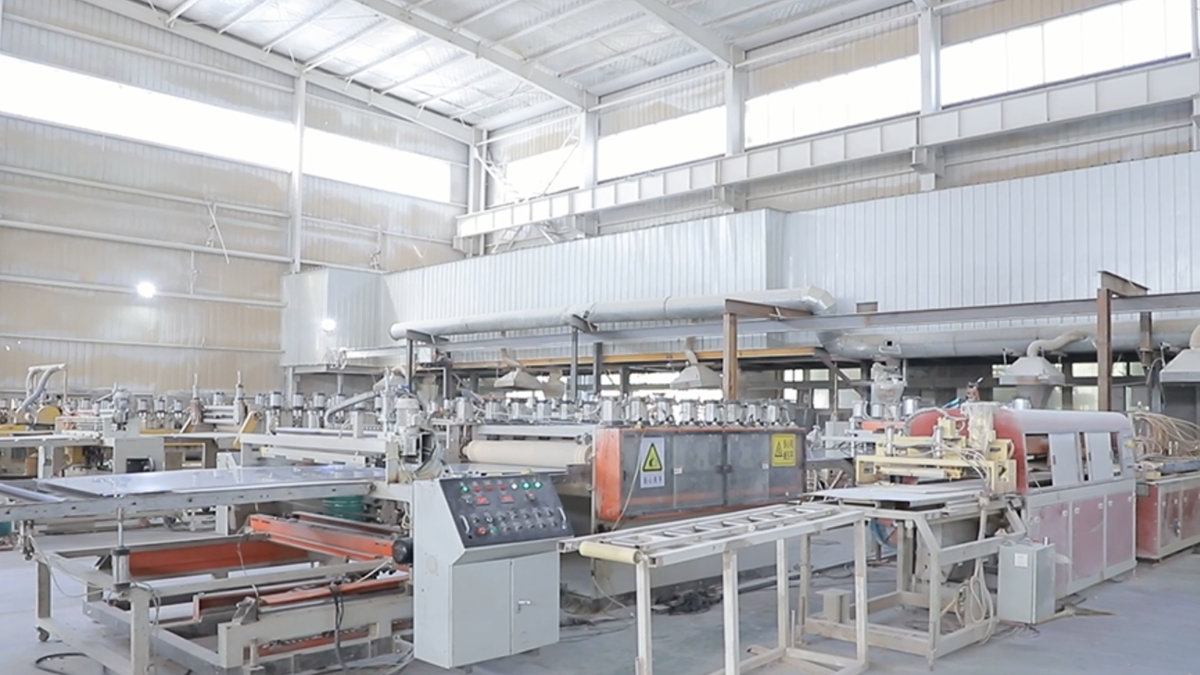
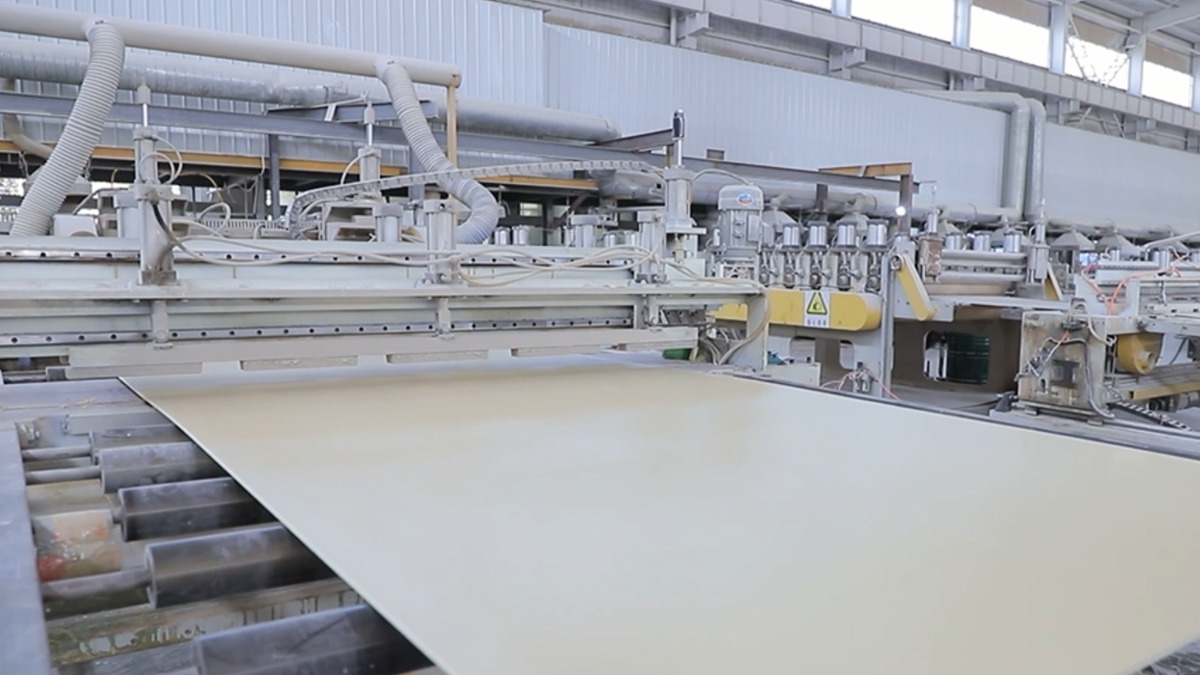
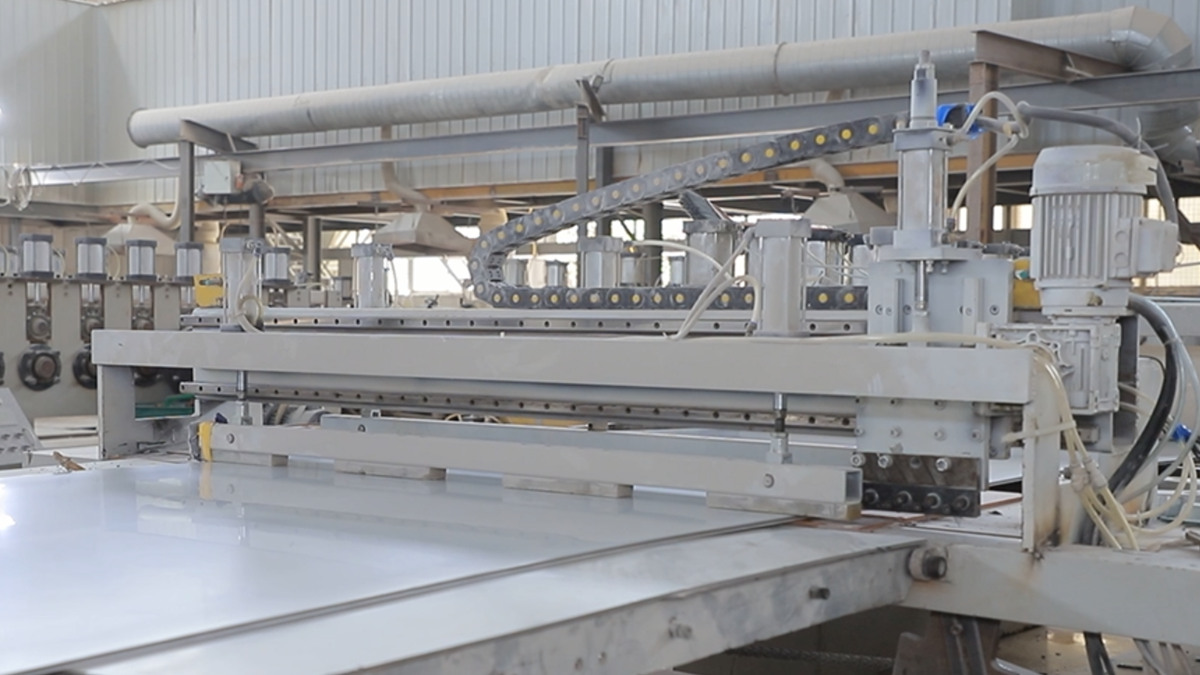
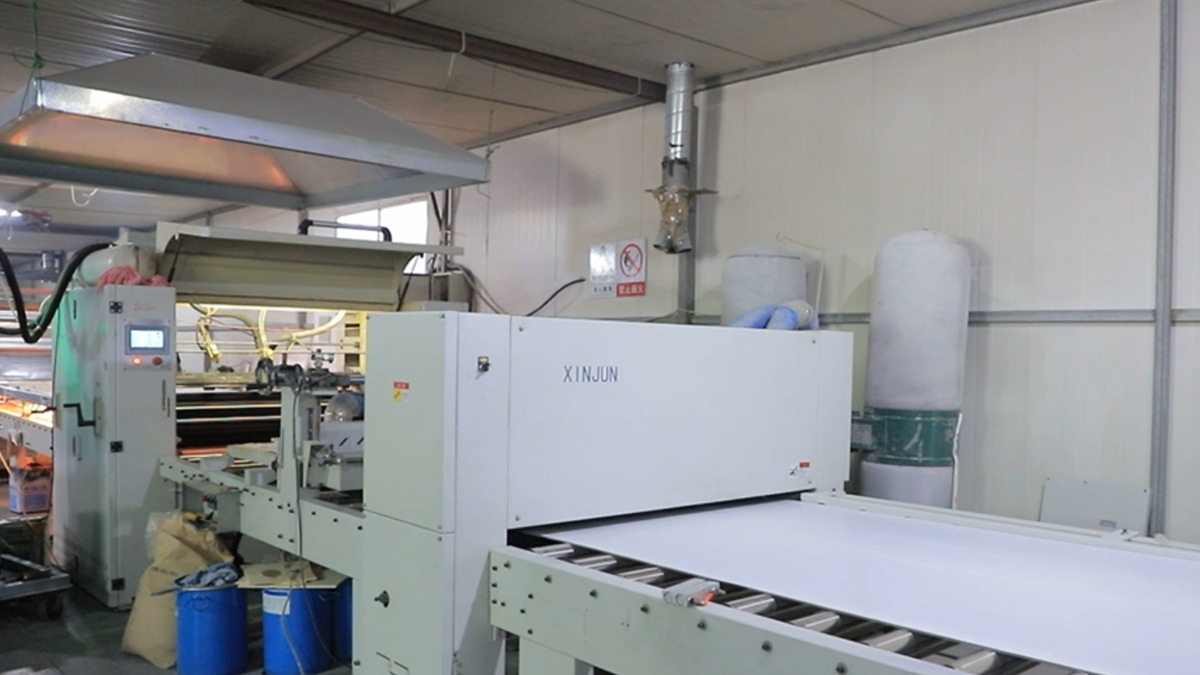
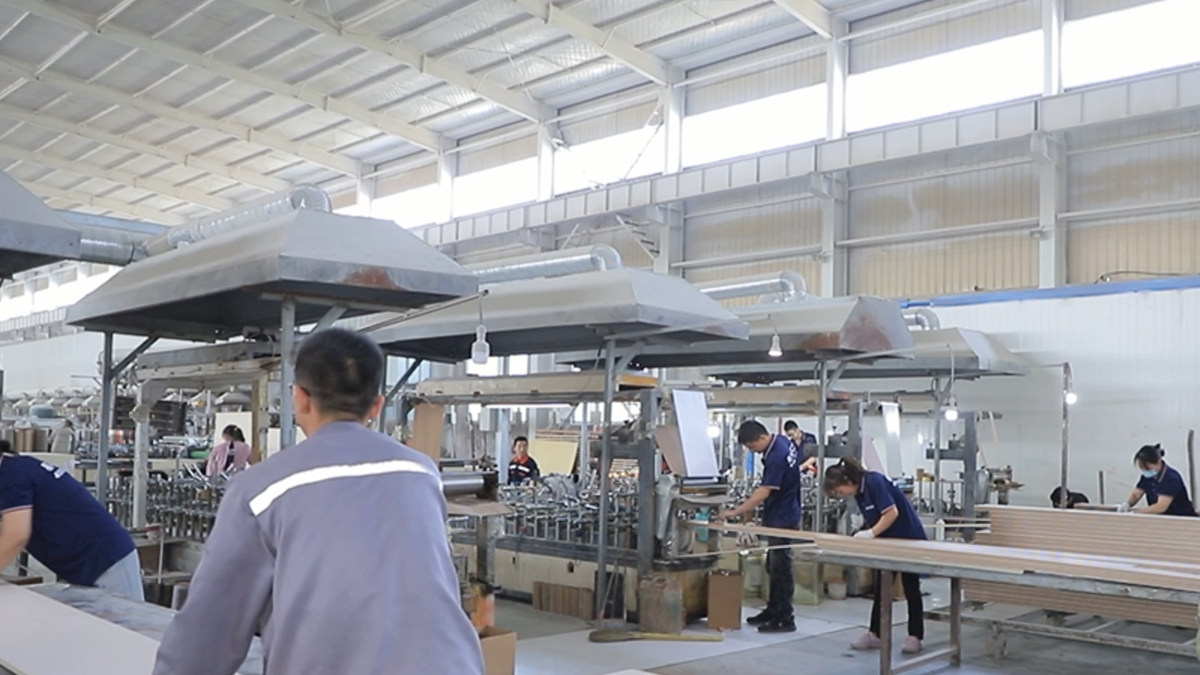
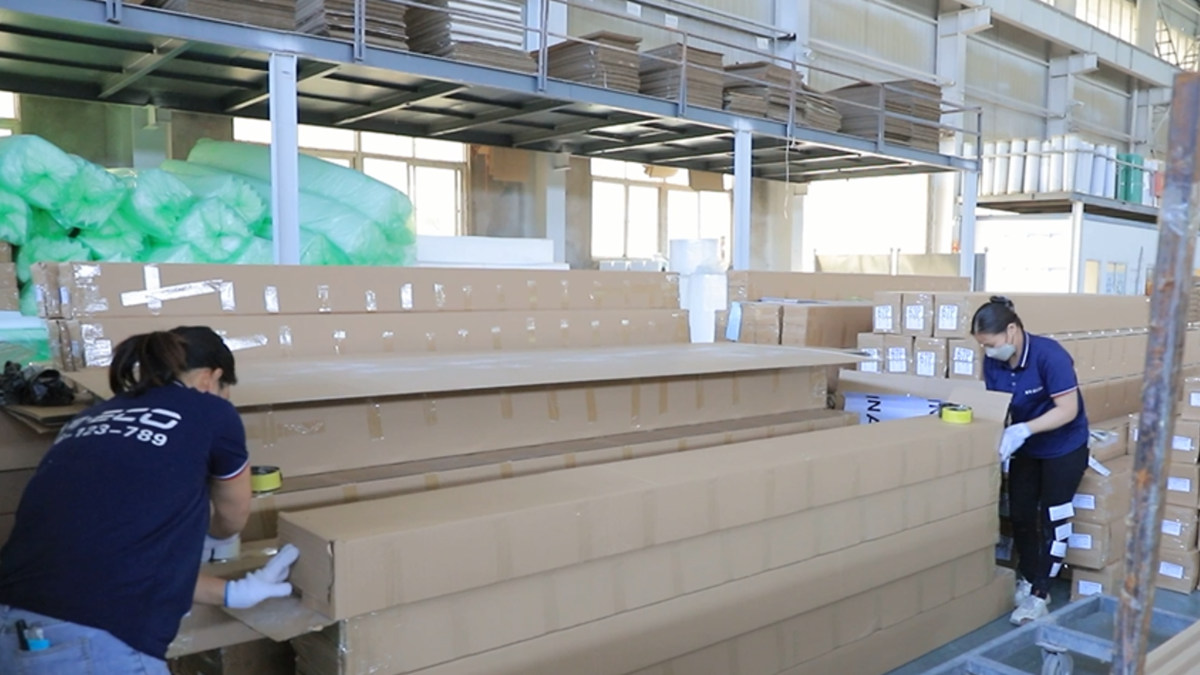
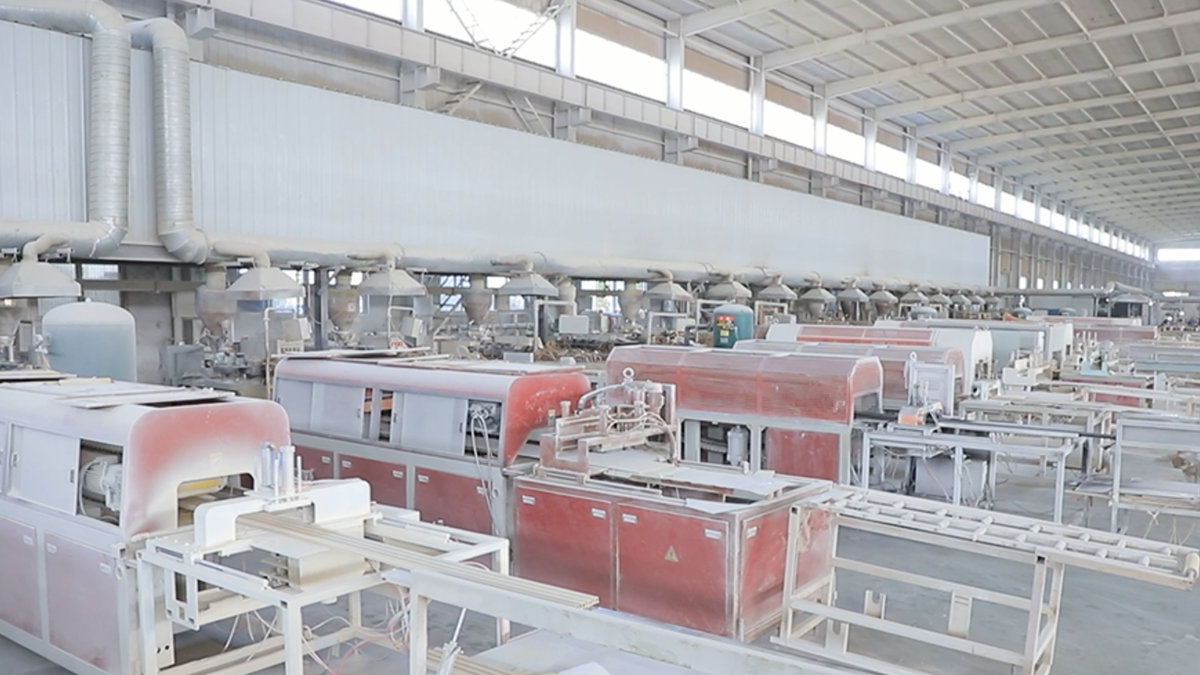
Our advanced manufacturing process relies on premium raw materials and precise compounding techniques. We blend high-purity PVC resins with calcium carbonate and stabilizing agents to produce cores that resist warping and moisture absorption. During extrusion, precision heating controls ensure optimal melt flow index and density, producing durable profiles that withstand environmental changes.
This systematic process ensures that all output parameters—including thickness tolerances within ±0.05 mm and click-lock shear strength values—consistently meet international standards. These quality standards are why global developers, commercial renovators, and DIY distributors choose Foshan Haven products for major projects.
Designing custom, high-performance surface solutions tailored to specific commercial and residential layouts.
Modern spaces require tailored materials that address localized wear, acoustic issues, and environmental conditions. Our product line is engineered to provide targeted solutions for diverse commercial and residential applications:
A. High-Traffic Commercial Offices (LVT & SPC Flooring): Offices require floors that resist heavy foot traffic, dynamic chair caster loads, and cleaning chemicals. Our SPC and LVT systems are engineered with hard-wearing polyurethane wear layers and reinforced mineral cores. This configuration prevents deep indentation while maintaining excellent acoustic insulation (up to 19 dB reduction when paired with IXPE underlayment).
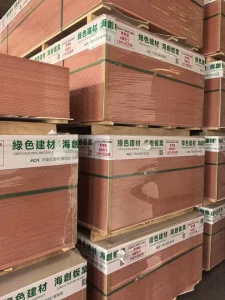
B. Resilient Industrial & Wet Environments (Waterguard Calcium Silicate & Fiber Cement): High-humidity environments, commercial kitchens, and utility spaces require materials with very low moisture absorption. Our Waterguard Fiber Cement and Calcium Silicate panels provide complete waterproof and rot-resistant performance, offering structural stability where traditional plasterboards fail.
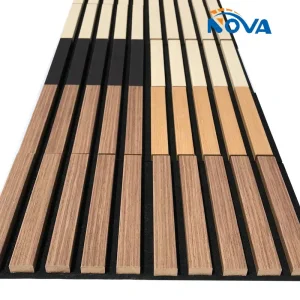
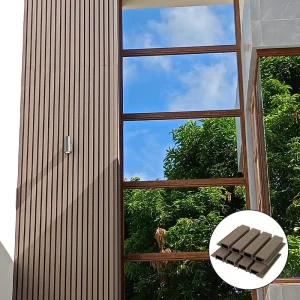
C. Multi-Functional Acoustic Spaces (Slat Wall Acoustic Panels & Fluted Cladding): Modern restaurants, educational facilities, and home offices often face excessive echo and reverberation. Our eco-friendly slat wall acoustic panels combine natural wood aesthetics with acoustic felt backings. This design absorbs mid-to-high frequency sound waves, significantly improving the room's Noise Reduction Coefficient (NRC).
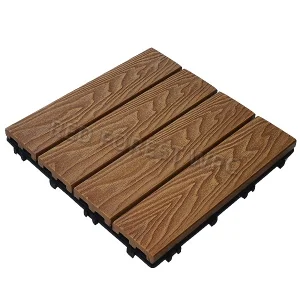
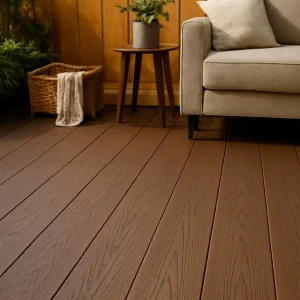
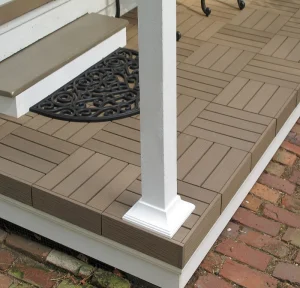
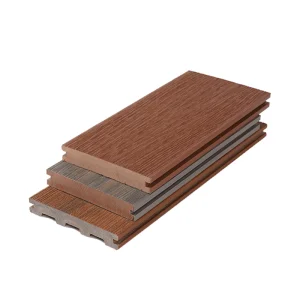
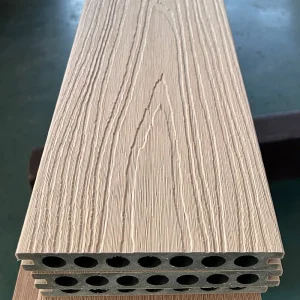
D. Exterior Architectural Hardscaping (WPC Decking & Interlocking Tiles): Outdoor decks, patios, and pool surrounds face challenges from direct UV radiation, moisture, and temperature fluctuations. Foshan Haven WPC co-extruded decking incorporates UV stabilizers and anti-fade additives. This ensures our outdoor products resist cracking, splintering, and fungal decay without requiring regular staining or sealing.
A step-by-step overview of our ISO-compliant manufacturing system, illustrating our commitment to quality control.
Quality control at Foshan Haven is integrated directly into the production workflow rather than being treated as a separate final check. Our manufacturing facility follows strict standard operating procedures that govern every stage of production, from raw material procurement to final dispatch. This structured approach ensures consistent structural properties across all manufactured lots.
The diagram below outlines our processing phases: raw material compounding, precision profile extrusion, decorative film lamination, finishing cuts, and final packaging. Each phase is monitored by specialized quality engineers who check for dimensional tolerances, surface quality, and joint consistency.
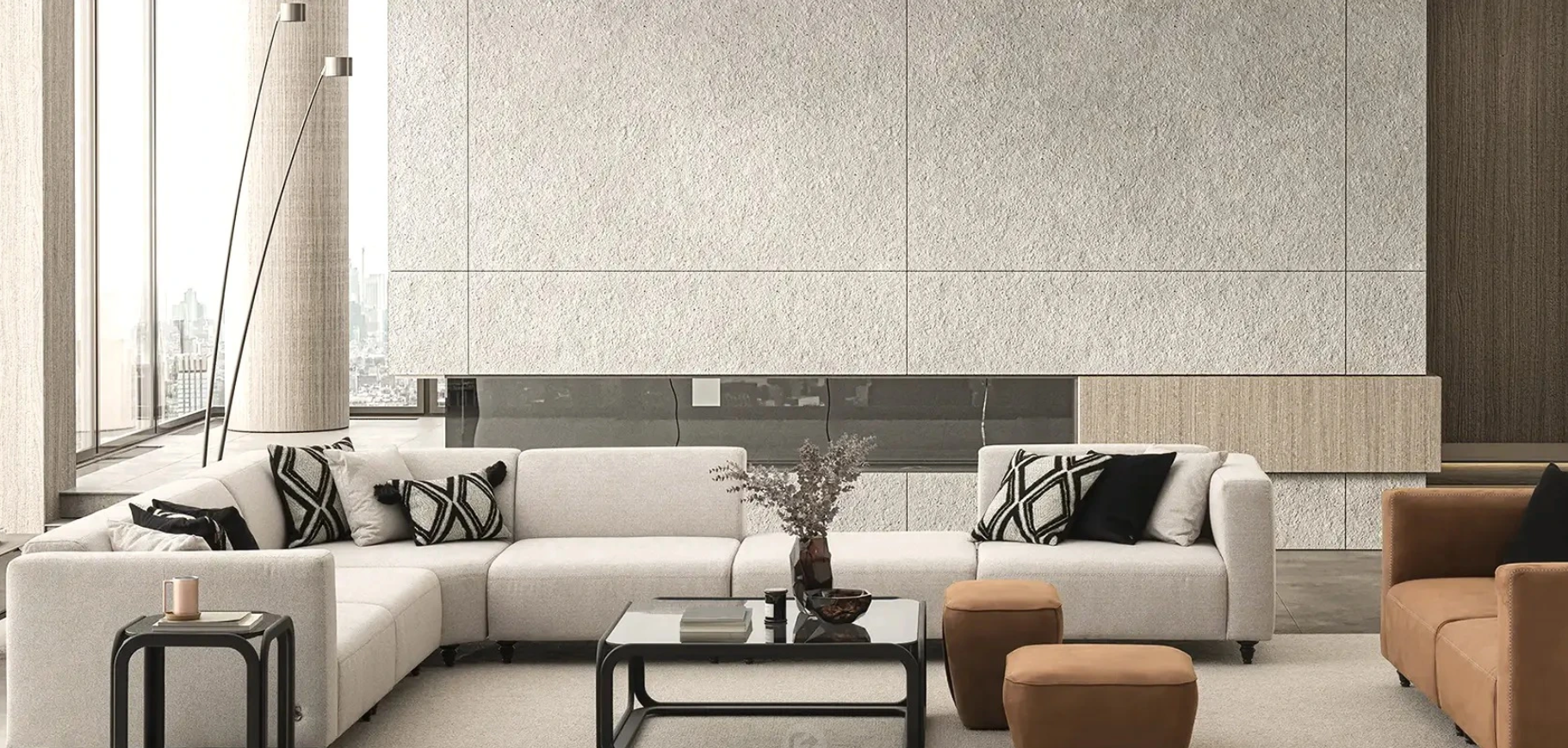
By using advanced testing equipment, we run continuous quality checks on raw material moisture content, melt flow behavior, and formulation accuracy. These steps ensure that our SPC flooring, WPC decking, and wall panels maintain consistent dimensional stability and structural integrity after installation.
Direct, technical answers to common questions about modular flooring, polymer composites, and installation properties.
Premium outdoor WPC decking, composite cladding, clay masonry veneers, and high-durability interior panels.
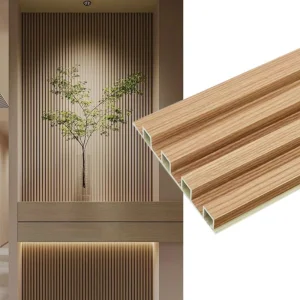

 Haven Decoration