Engineered to meet the dual challenges of coastal maritime humidity and stringent European fire protection standards.
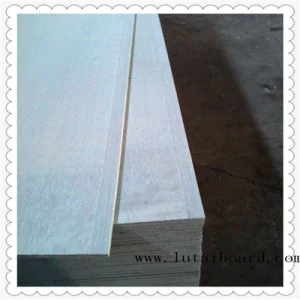
Designed specifically for load-bearing applications in commercial restorations across Lisbon Baixa and coastal regions.
Send Inquiry Now
High-performance non-combustible interior wall linings meeting the Decree-Law n.º 220/2008 safety standards.
Send Inquiry Now
Superior moisture-resistant board optimized to withstand the intense Atlantic sea breezes of Lisbon coastal districts.
Send Inquiry Now
Custom patterns and textures mimicking natural cladding materials, suitable for historical conservation areas.
Send Inquiry NowThe Lisbon metropolitan area, with its distinct geographical setting facing the Atlantic Ocean, demands a highly rigorous approach to modern architectural engineering. The combination of high maritime salinity, damp coastal fog (especially in areas surrounding the Tagus Estuary like Oriente and Oeiras), and hot summers introduces severe hygrothermal stresses onto buildings. Traditional materials such as gypsum board and standard timber sheathings are susceptible to premature biodegradation, mold growth, and structural warping under these conditions.
Furthermore, Lisbon is located in a seismically active zone, placing heavy focus on the load-to-weight ratio of building envelopes (governed by Eurocode 8). Traditional brick masonry additions increase dead weight, while high-density, high-strength autoclaved fiber cement boards provide a lightweight alternative with immense shear resistance. This makes them ideal for both lightweight steel framing (LSF) constructions and vertical additions to heritage structures.
Our boards are rigorously tested under EN 12467, exhibiting optimal flexural strength, density exceeding 1.3 g/cm³, and water permeability characteristics conforming to Class A ratings. This guarantees decades of reliable performance on Lisbon's challenging coastal sites.
Fully non-combustible panels class-rated to EN 13501-1 (A1/A2-s1, d0) ensuring no contribution to fire propagation. Crucial for high-density historical quarters like Alfama and Chiado where fire safety and containment are top municipal priorities.
Understanding the technical and economic shifts shaping modern fiber-cement manufacturing.
The transition from asbestos-based materials to 100% non-asbestos mineral-reinforced cellulose formulations is complete. Global markets now demand low embodied carbon materials, pushing manufacturers to source eco-certified raw inputs, secondary binders, and utilize renewable energy for steam curing autoclaves.
Traditional wet screeds and masonry brickwork are increasingly replaced by modern dry-assembly systems. Light Gauge Steel (LSF) structures lined with high-density fiber cement boards cut down on-site erection time by up to 50%, a key driver in metropolitan developments.
Architects demand boards that act both as structural components and architectural visual elements. Deep relief wood grains, through-colored stone finishes, and highly polished concrete textures have turned fiber cement from a hidden substrate into a high-end exterior cladding facade.
| Performance Indicator | High Density Fiber Cement | Standard Gypsum Sheathing | OSB / Timber Underlayments |
|---|---|---|---|
| Fire Performance | Class A1 Non-Combustible (EN 13501-1) | Class A2 / B (Flame Retardant) | Class D (Combustible) |
| Moisture Resistance | Immune to rot; Swelling rate < 0.2% | Loses strength upon saturation | Subject to mold & structural warping |
| Impact Resistance | Extremely high (> 10 kJ/m²) | Low; susceptible to cracking | Medium; subject to puncturing |
| Longevity in Maritime Environments | 50+ Years (Salt & Moisture proof) | < 10 Years (Decomposition risk) | < 15 Years (Prone to rot and termites) |
Established in 2005, Foshan Haven Decoration Co., Ltd. has developed from a pioneering PVC extruder into a global giant in comprehensive interior and exterior decorative solutions. With an annual sales volume exceeding $35 Million USD, we serve a global network of architectural specifiers, logistics partners, and developers across five continents.
Our state-of-the-art facility incorporates high-pressure autoclave lines, precision profile extrusion systems, and decorative film lamination processes. Our comprehensive material portfolio includes advanced SPC flooring, premium WPC decking, architectural acoustic panels, and our signature non-asbestos fiber cement panels engineered for high-performance structural applications.
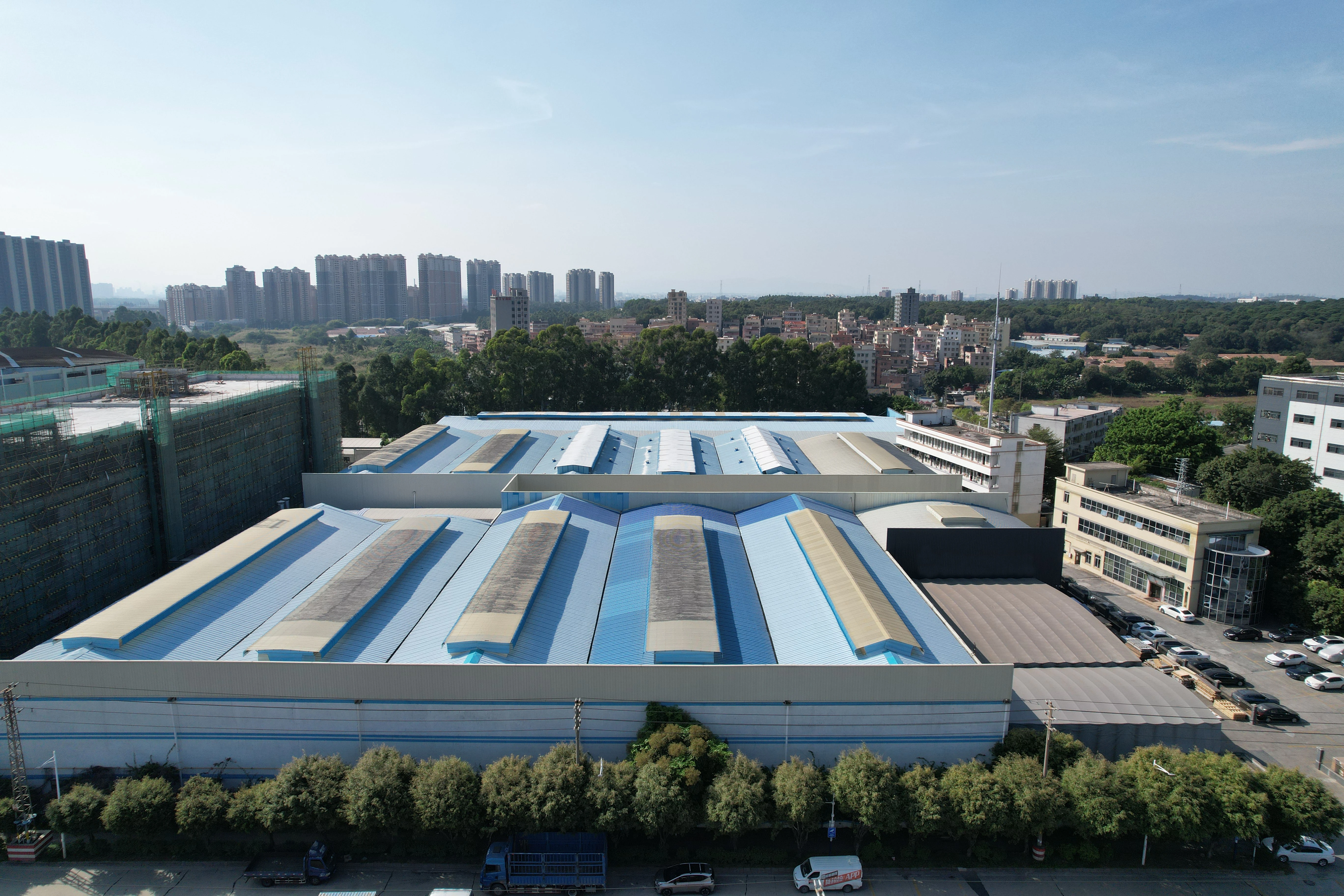
A transparent overview of our technological processing, ensuring every board complies with rigorous EN standards.
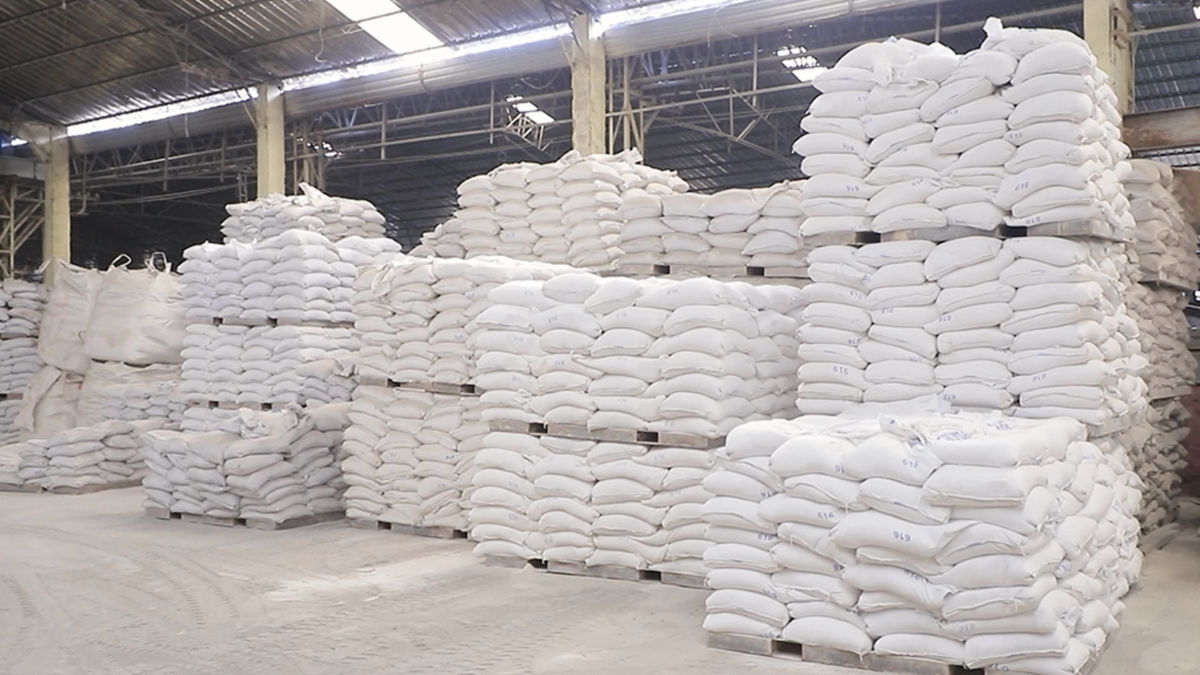
Selection of high-purity quartz silica sand, Portland cement, and refined cellulose reinforcing fibers.
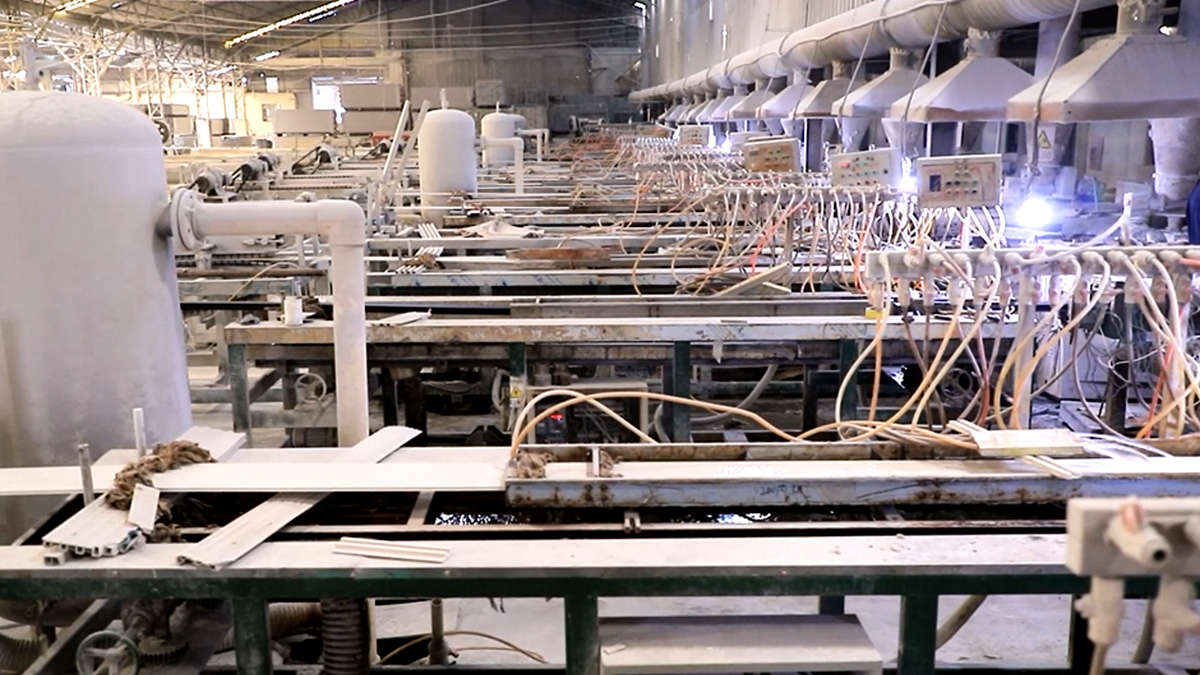
Continuous hydraulic slurry forming process creates dense multi-layered sheets under high compression.
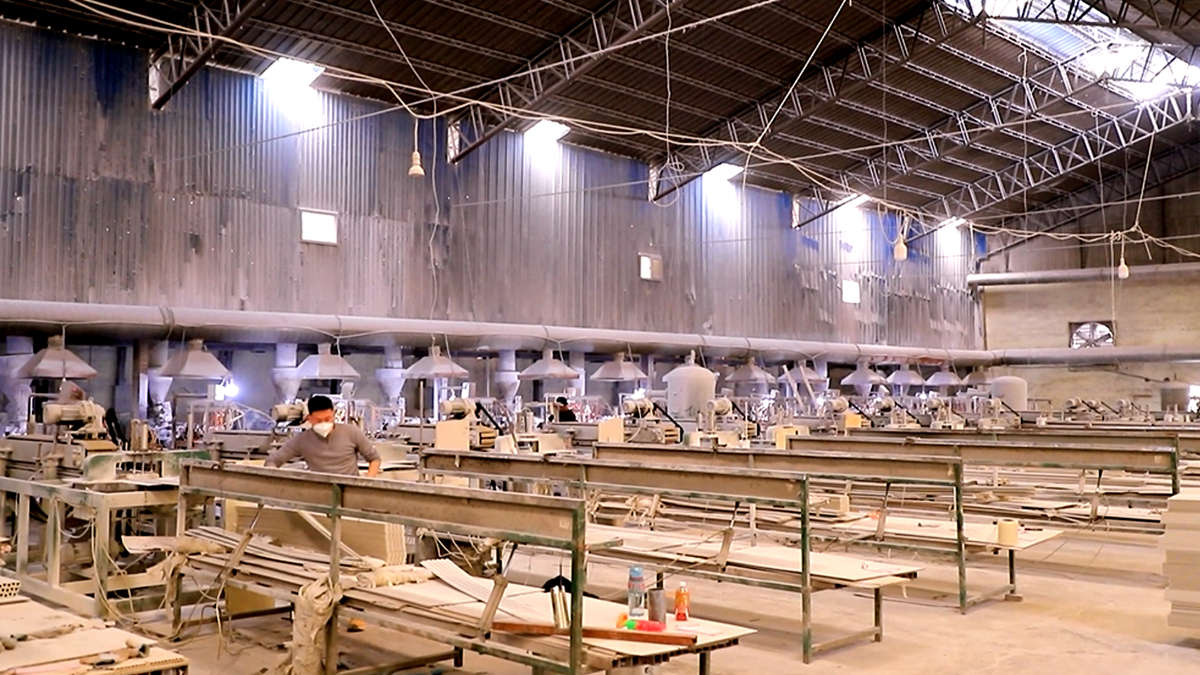
High-tonnage hydraulic pressing extracts excess water, consolidating the molecular cement-silica matrix.
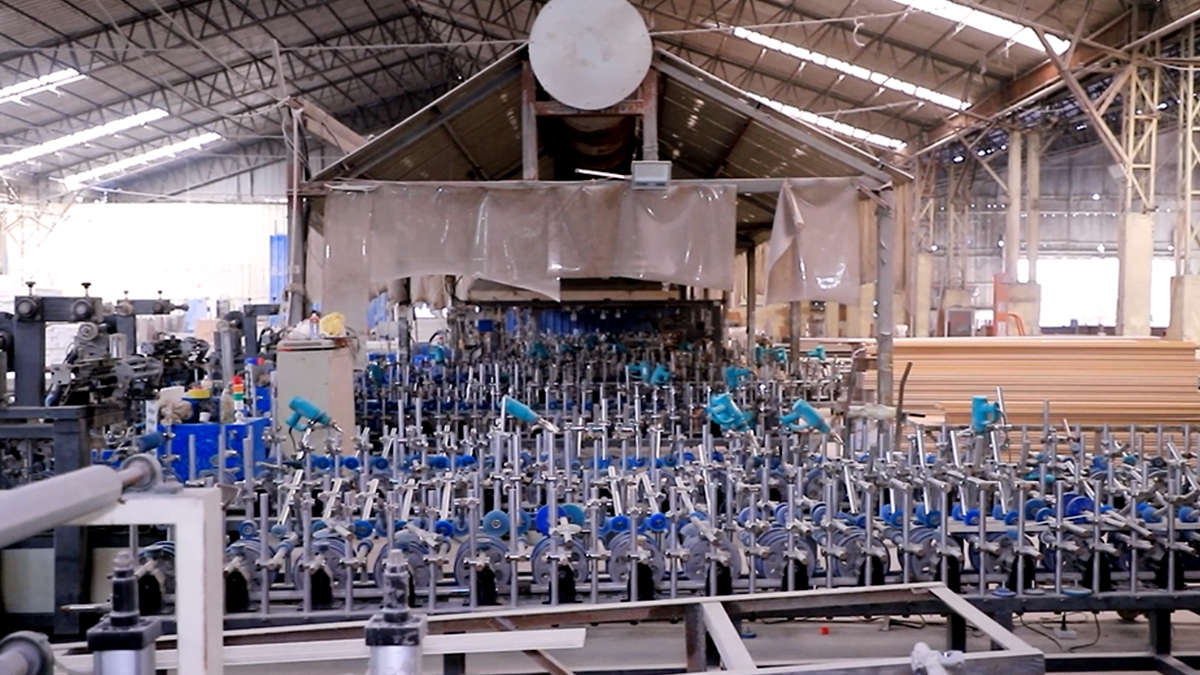
Application of advanced anti-moisture sealants, textured coatings, or decorative PVC-foil lamination.
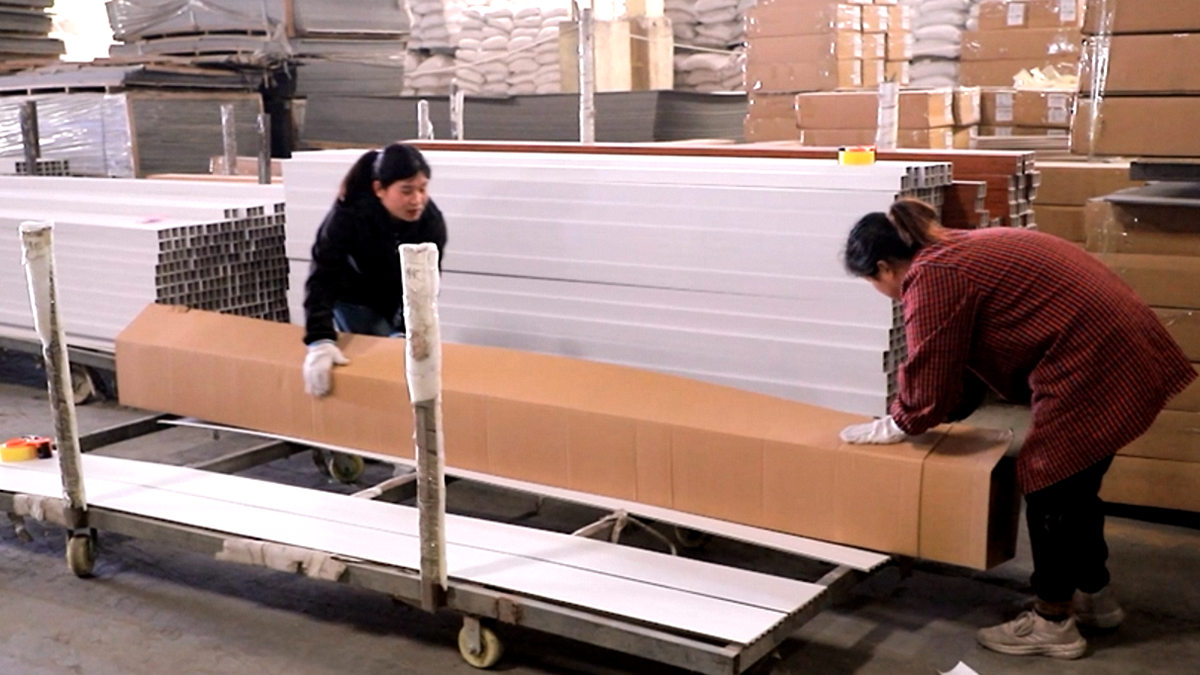
Finished panels are carefully stacked and wrapped on heavy-duty pallets to prevent transit micro-fractures.
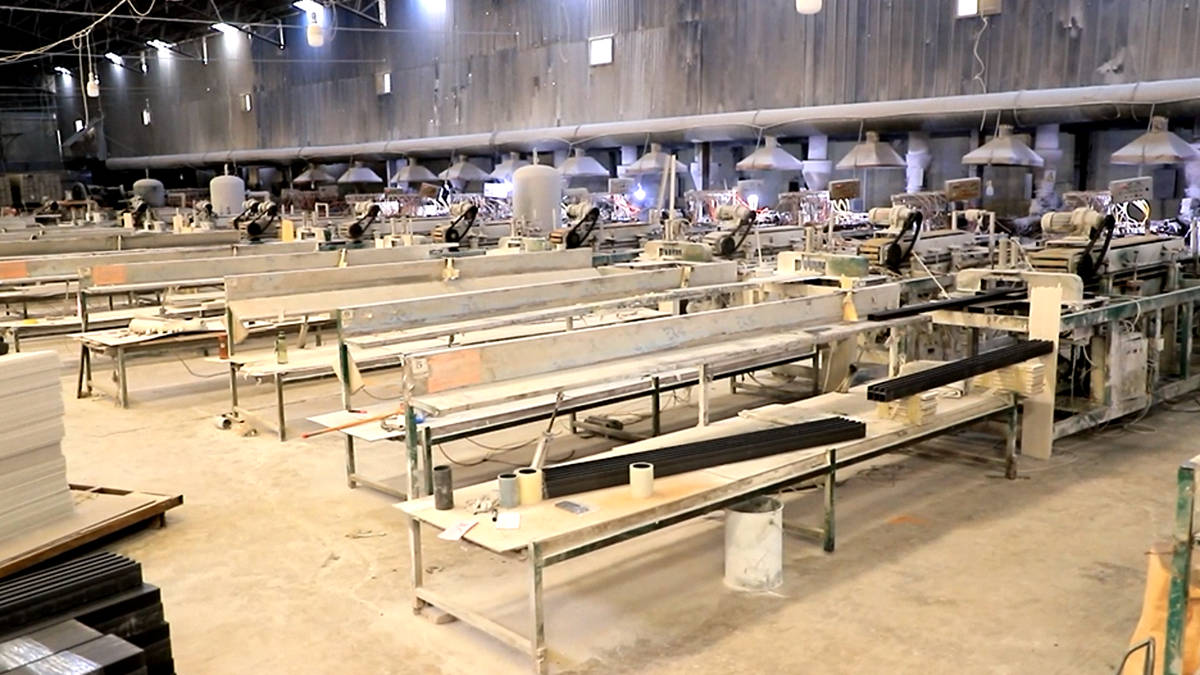
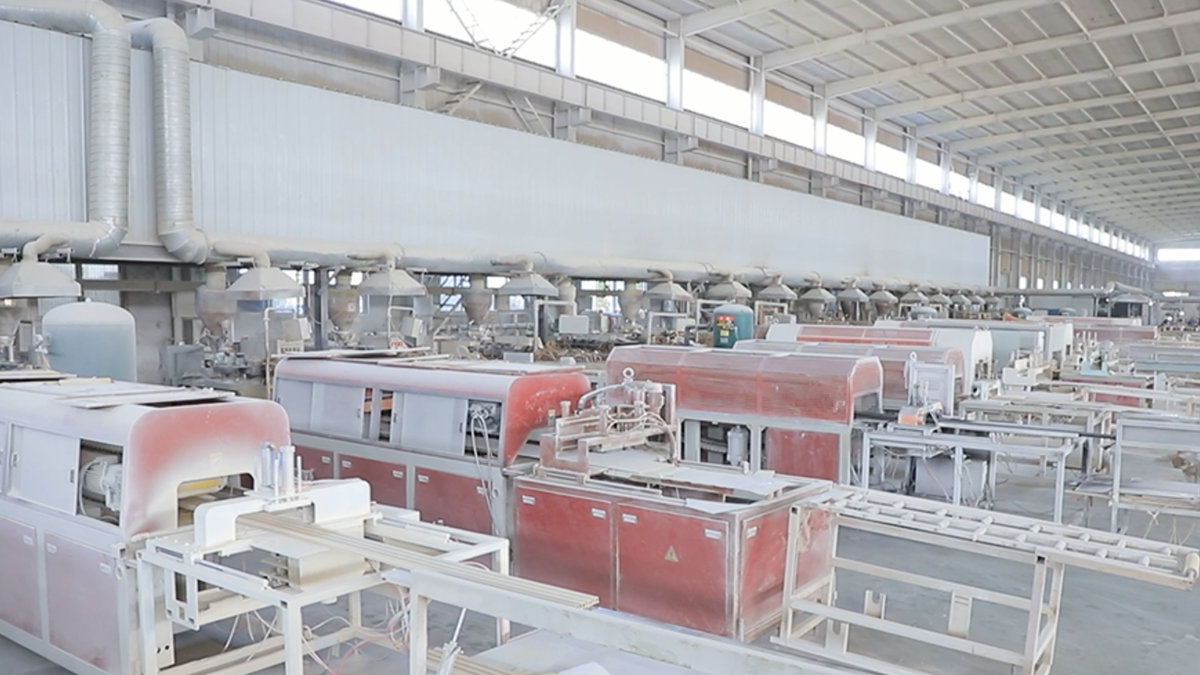
Fully automated and standardized production lines maintain consistency in material density and thickness.
Computerized cutting tools trim board edges to millimeter tolerances, ensuring quick installation on site.

Every batch is sample-tested for modulus of rupture, density, and impact resistance characteristics.
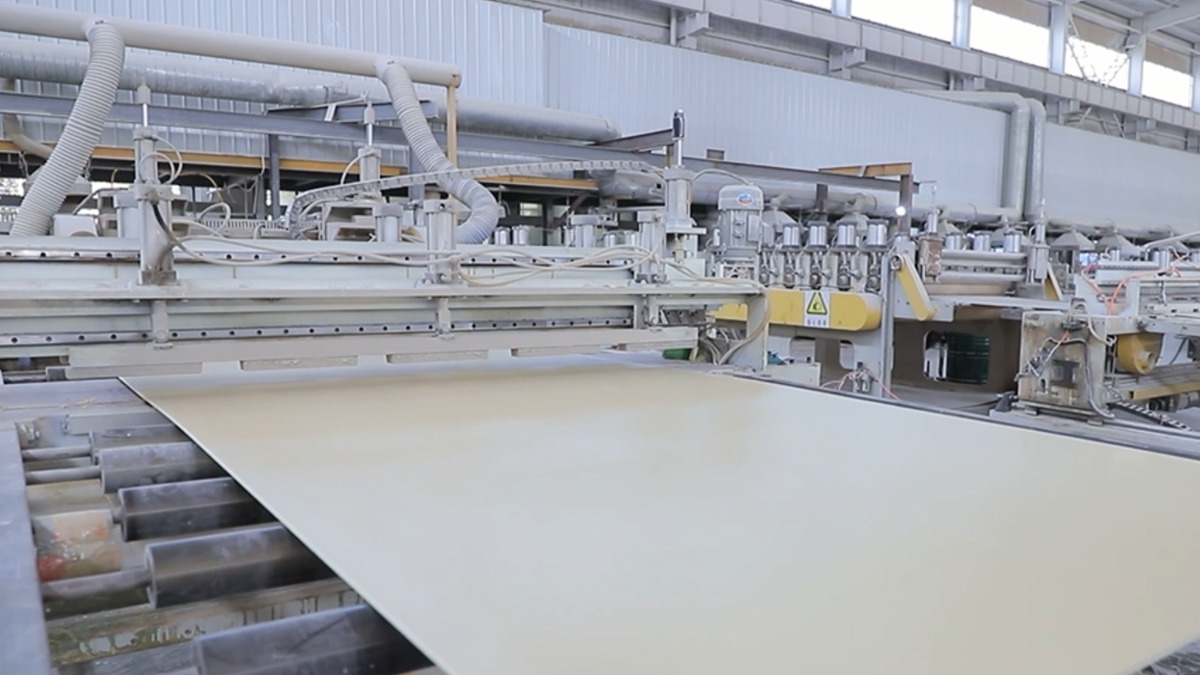
Precision calibration ensures zero warp across large-span facade formats before packaging.
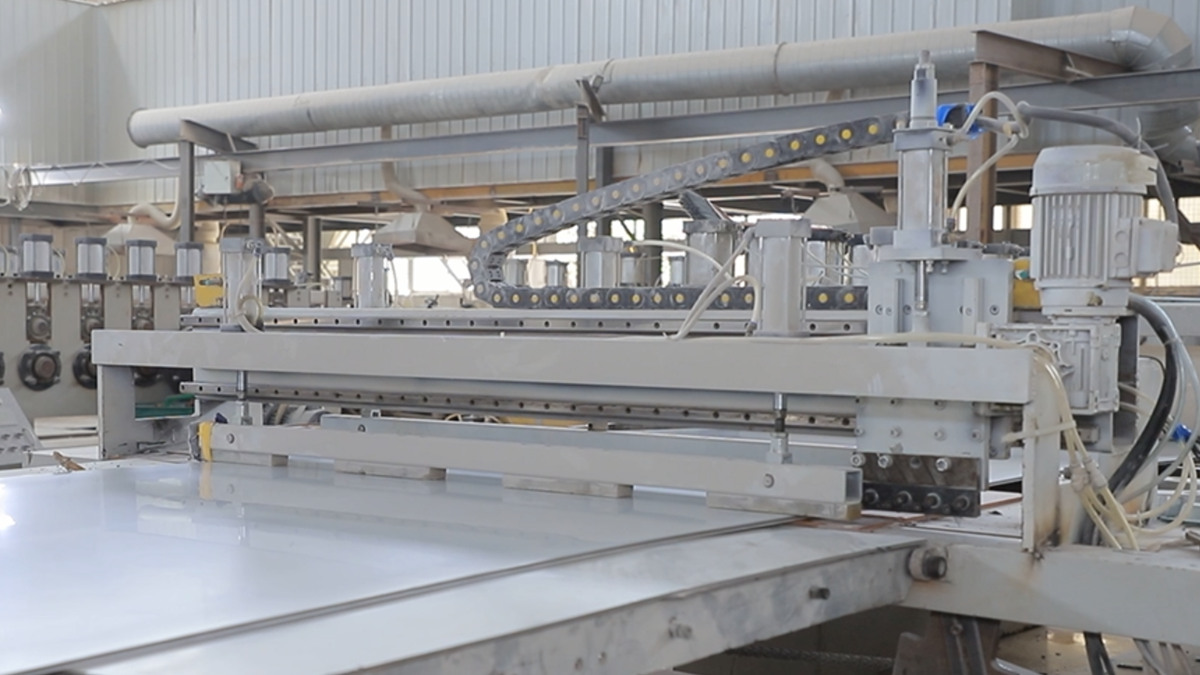
Dust extraction systems clean the board surfaces during edge routing and customized perforation steps.
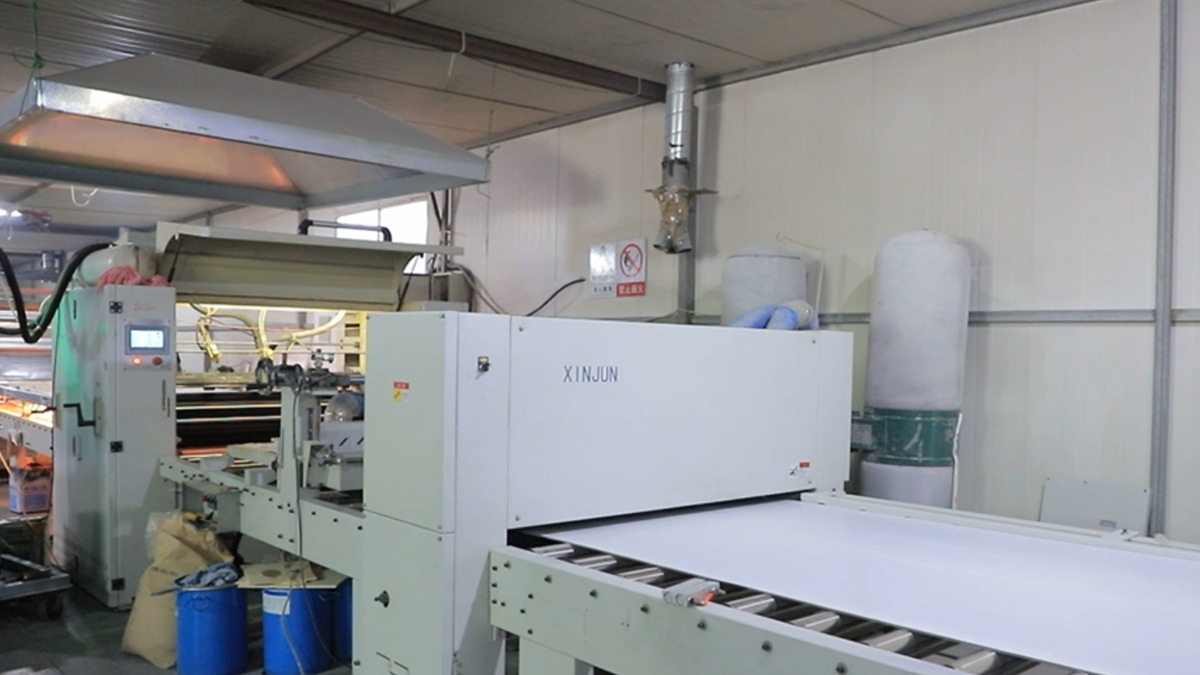
Hot melt lamination ensures bubble-free bonding of protective decorative veneers and films.
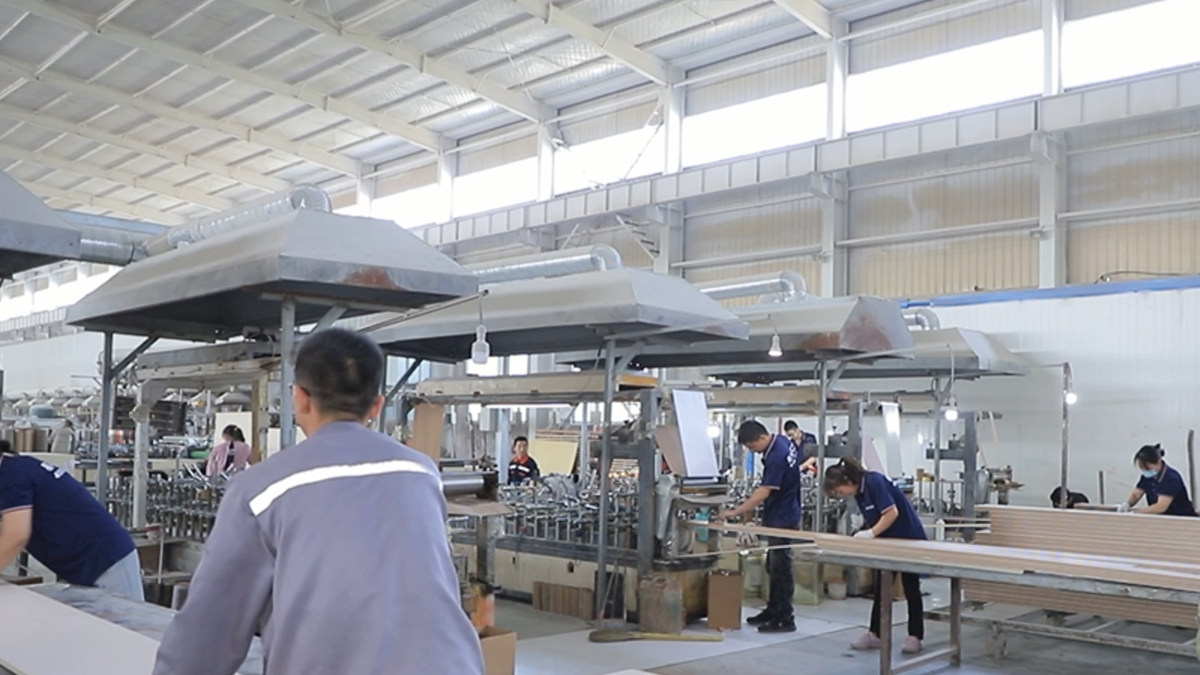
Pre-treatment of cellulose boards guarantees lasting adhesion under extreme temperature variations.
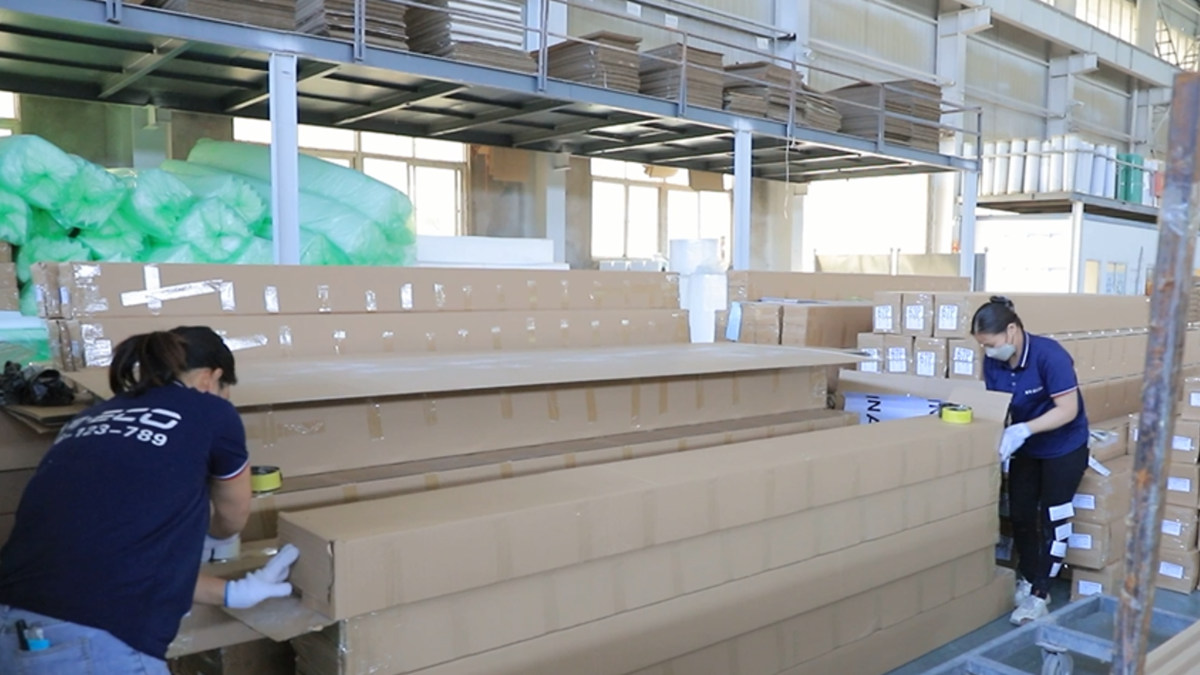
Moisture-proof shrink wrap is applied to secure shipping pallets for international sea transit.
Every shipment is audited and supplied with corresponding CE markings and technical data sheets.
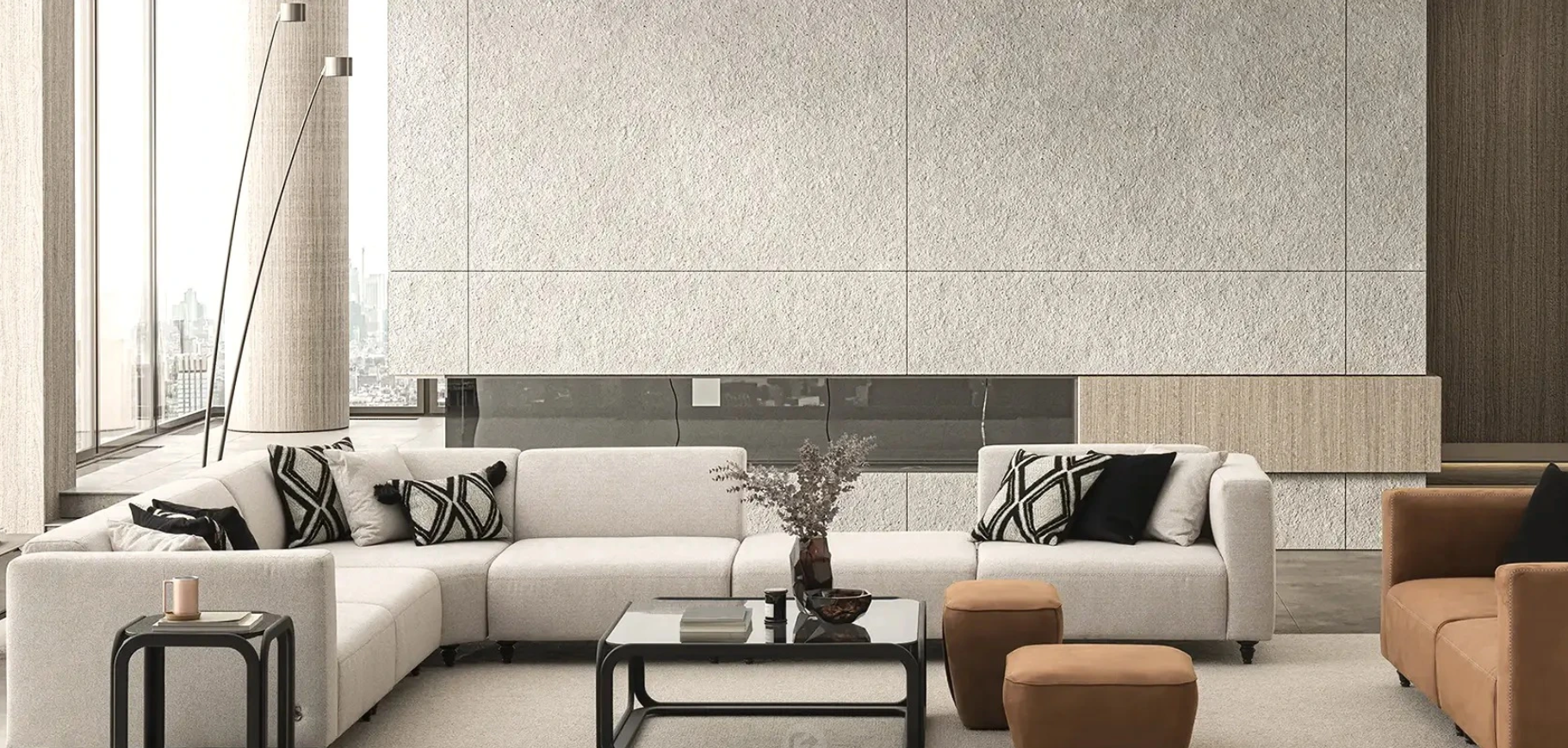
A broad array of high-density boards, siding planks, and acoustic panels designed for the local market.
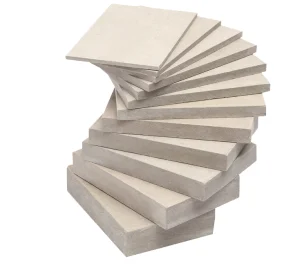
Excellent load capacity subfloor boards ideal for office conversions and commercial mezzanines in Lisbon.
Send Inquiry Now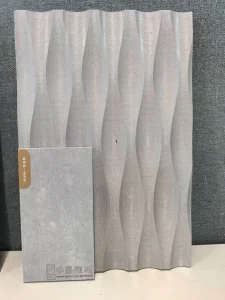
A tough substrate alternative that cuts out warping, moisture rot, and mold growth in high-humidity zones.
Send Inquiry Now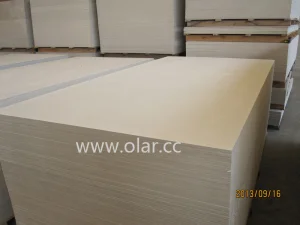
Green building-friendly interior and exterior baseboards helping projects meet BREEAM and LEED specs in Portugal.
Send Inquiry Now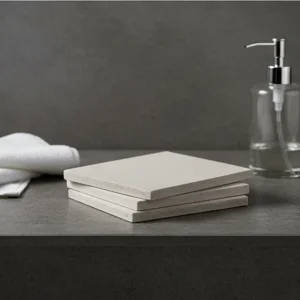
Engineered for wet areas like commercial bathrooms, laundry zones, and below-grade basements across Lisbon.
Send Inquiry Now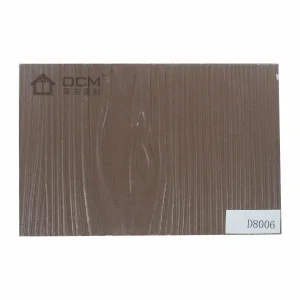
Beautiful wood aesthetics without the maintenance issues, painting requirements, and rot risks of natural timber.
Send Inquiry Now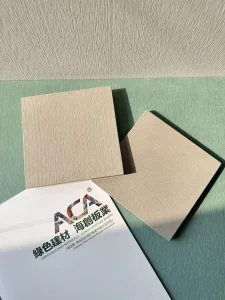
Long-format panels suitable for fast claddings on high-rise office towers and commercial structures in Parque das Nações.
Send Inquiry Now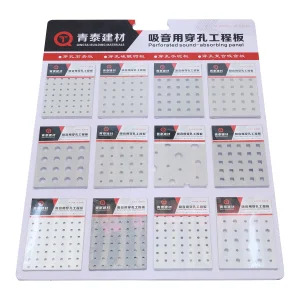
Perforated structure designed to solve noise reflection issues in modern Lisbon public lobbies and schools.
Send Inquiry Now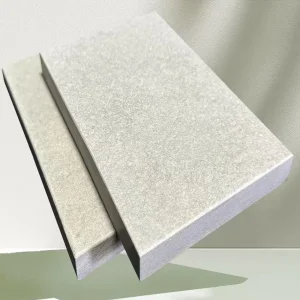
High-density panel with superior impact defense, protecting high-traffic urban areas from vandalism and damage.
Send Inquiry NowHow local engineers use our product ranges for regional build specifications.
Using products such as the EN12467 Curtain Wall Color-Through Cladding, installers mount panels on sub-frames. This system creates a continuous air cavity that utilizes convective flow to purge moisture. The design keeps inner walls dry during winter rains and lowers cooling demands during Lisbon’s summer peaks.
Rehabilitating century-old timber structures requires avoiding wet concrete pours to limit structural loading. Specifiers apply the Compressed Fiber Cement Flooring Substrate directly over existing floor beams. This provides a flat base with high load capacity and sound isolation, suitable for laying down SPC flooring.
Coastal villas in Cascais and Sintra encounter high levels of salt-laden fog. Installing the Fiber Cement Siding Wood Grain Panel offers the traditional look of coastal wood siding without the associated maintenance. The material is immune to rot, termite infestation, and coastal UV fading.
Using the Fire Rated Fiber Cement Plate as a thermal barrier helps shield structural steel elements from high heat. The calcium silicate composition features low thermal conductivity, keeping structural temperatures below critical failure limits in the event of a fire.
High-occupancy hospitality spaces in Lisbon require walls that resist moisture damage. Selecting the Waterproof and Fireproof Fiber Cement Board High Density as a tile backer prevents moisture from reaching the wall studs, stopping the growth of mold and mildew behind tiled surfaces.
Our commitment to research and development for future architectural requirements.
We are incorporating titanium dioxide (TiO₂) nanoparticles into outer face coatings. Under Atlantic solar UV radiation, the coating triggers a catalytic reaction that breaks down organic surface dust and urban soot. Rainwater then rinses the residue away, keeping Lisbon facade designs clean over long periods without intensive pressure-washing.
Our research includes using carbonated industrial byproducts directly within the silica-calcium slurry mix. Capturing CO₂ inside the concrete matrix lowers the net carbon output of our production process, assisting developers in meeting strict green building standards.
Direct engineering answers regarding installation, compliance, and material properties.
Seeking technical specifications, pricing estimates, or custom profile samples for Lisbon projects?
Send Inquiry Now Haven Decoration