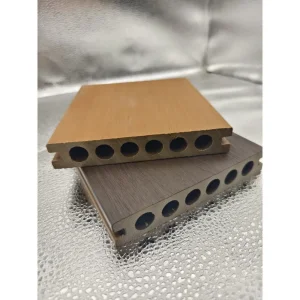
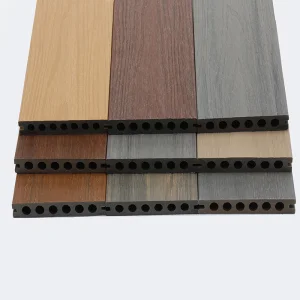
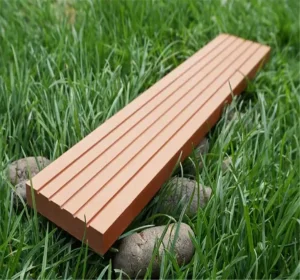
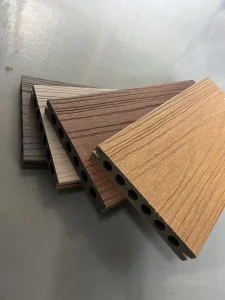
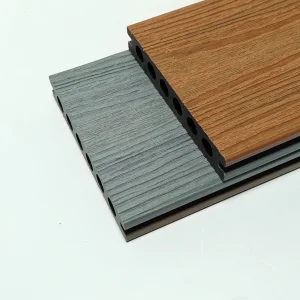
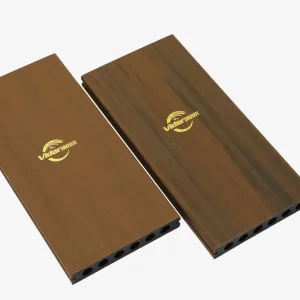
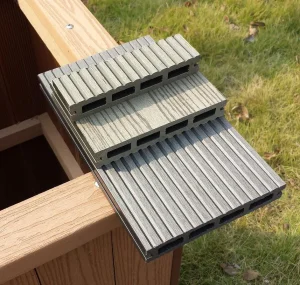
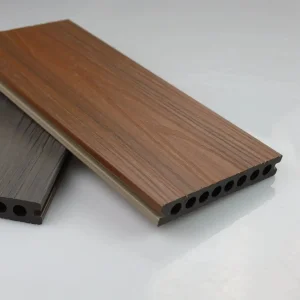
The construction landscape in North Korea is undergoing a transformative phase, particularly within special economic zones like Rason and the coastal developments in Wonsan-Kalma. As the demand for durable, low-maintenance, and weather-resistant materials surges, Hollow WPC (Wood Plastic Composite) decking has emerged as a strategic alternative to traditional timber. Unlike natural wood, which struggles with the peninsula's extreme seasonal temperature fluctuations—ranging from frigid Siberian winters to humid monsoon summers—Hollow WPC offers a stable, non-warping solution.
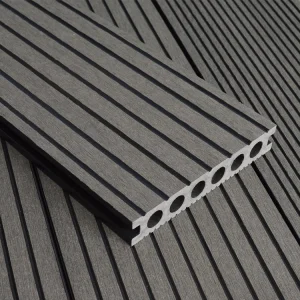
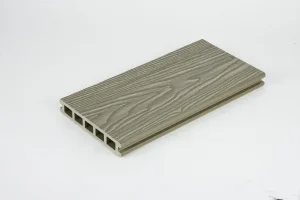
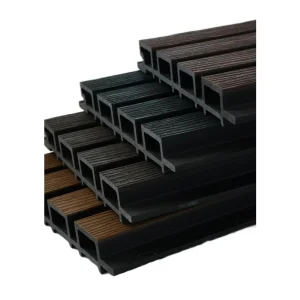
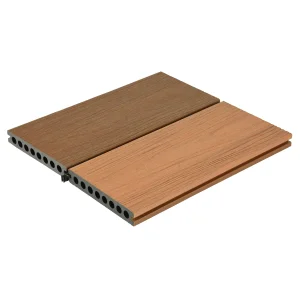
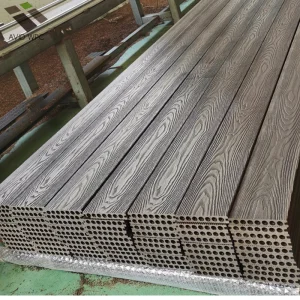
Global industry data suggests that the transition to "Circular Economy" materials is no longer a luxury but a necessity. In North Korea, where resource efficiency is paramount, the Information Gain provided by Hollow WPC lies in its weight-to-strength ratio. The hollow circular or rectangular profiles reduce material consumption by up to 40% compared to solid boards while maintaining structural integrity via internal ribbing. This efficiency reduces shipping costs from major manufacturing hubs like Foshan, China, to regional ports, making it a highly competitive choice for large-scale state infrastructure and tourism projects.
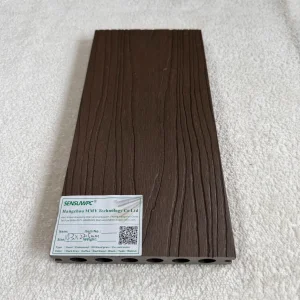
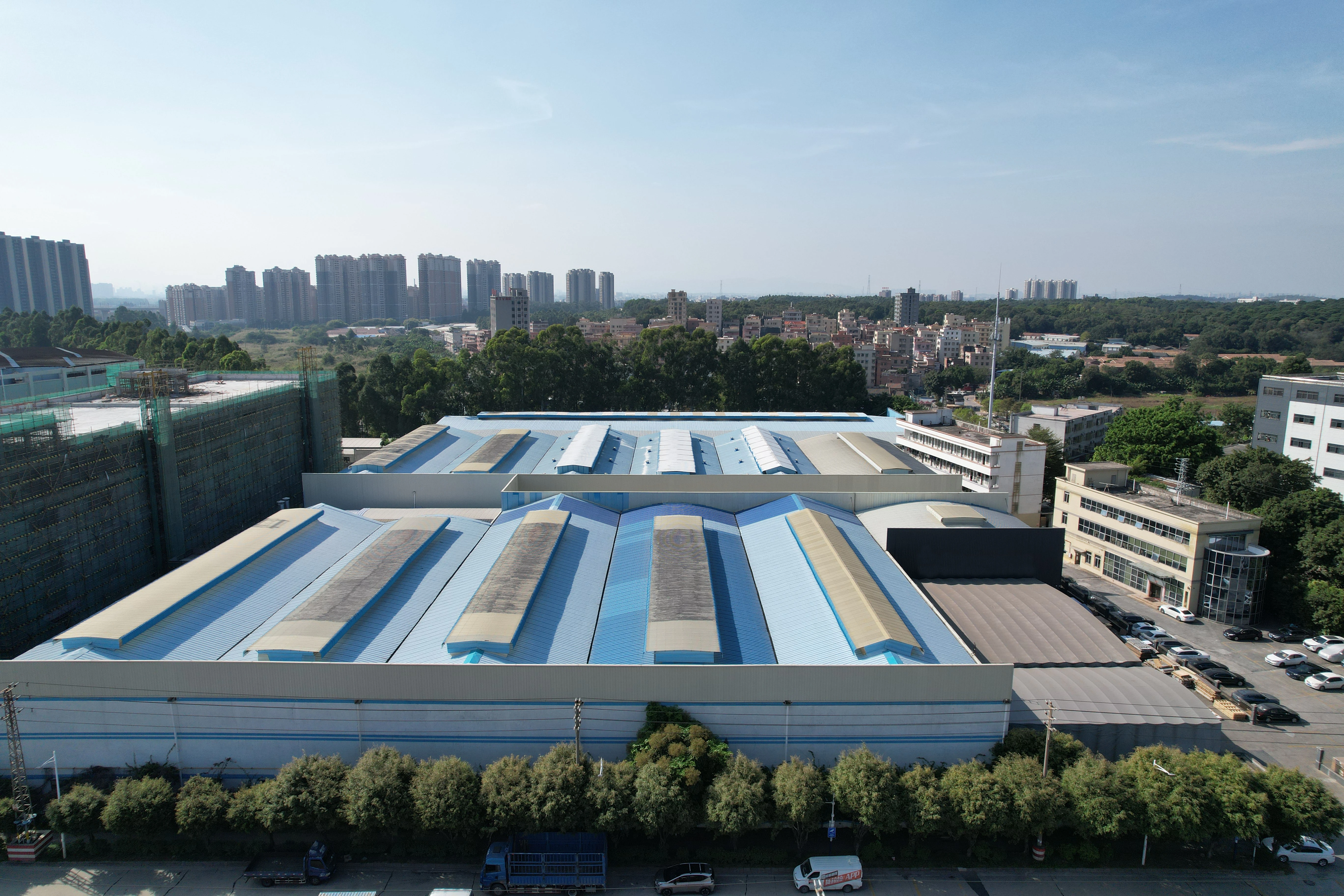
Established in 2005, Foshan Haven Decoration Co., Ltd. has scaled from a specialized PVC panel factory to a global powerhouse in synthetic building materials. Our facility in Guangdong, China, serves as the heartbeat of our operations, utilizing state-of-the-art co-extrusion technology. This "Second Generation" (Capped) WPC technology is particularly relevant for the North Korean market, as it features a 360-degree protective shield that resists UV radiation and moisture absorption—critical factors for longevity in public parks and coastal walkways.
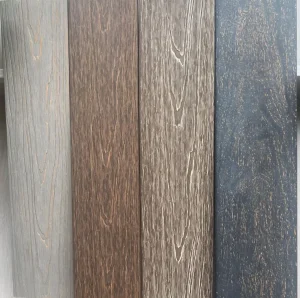
Our competitive edge is rooted in Manufacturing Efficiency. By integrating the entire supply chain—from the processing of raw recycled wood fibers and HDPE polymers to the final 3D wood grain embossing—we ensure that every meter of decking meets international E-E-A-T standards (Experience, Expertise, Authoritativeness, and Trustworthiness). For North Korean procurement officers and global contractors, this means a reliable partner capable of handling high-volume orders with rigorous quality control (QC) at every stage: raw material testing, extrusion stability, and load-bearing analysis.
High-traffic urban walkways requiring anti-slip (R11 rating) and heavy load capacity for public gatherings.
Salt-spray resistant co-extruded decking designed to withstand saline environments without corrosion.
Thermal-insulating hollow profiles that maintain comfortable walking temperatures in extreme sun or cold.
The Search Intent for WPC in this region often centers on "long-term cost-effectiveness." While the initial investment in WPC might be higher than local softwoods, the zero-maintenance requirement (no staining, no sealing, no termite treatment) provides a Return on Investment (ROI) within just 3 years. This aligns with modern sustainable development goals being prioritized in new special economic zones.
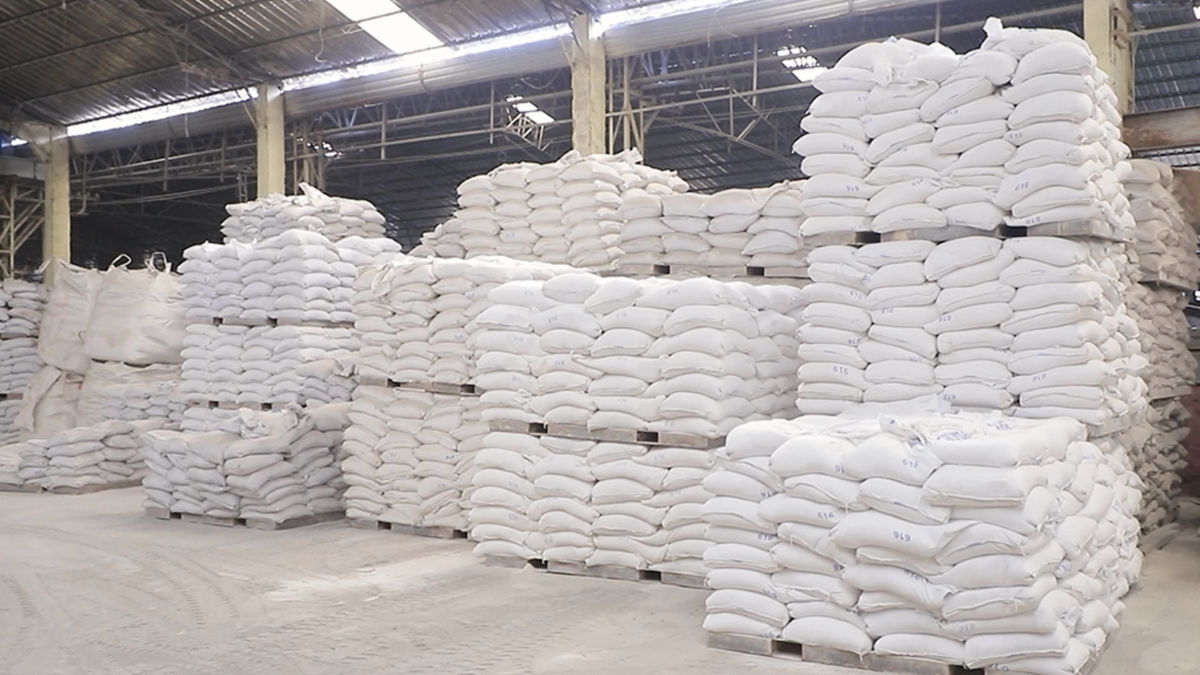 1. Raw Material Sourcing
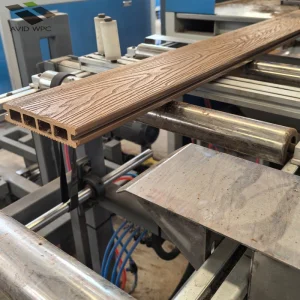
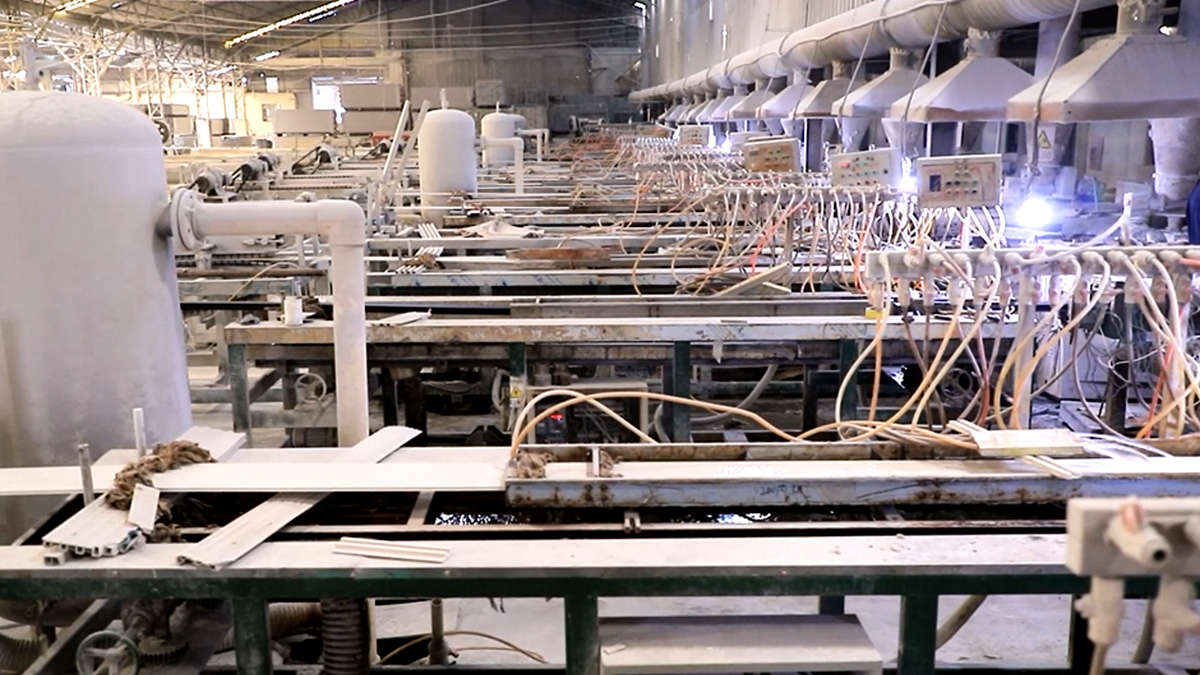 2. Precision Extrusion
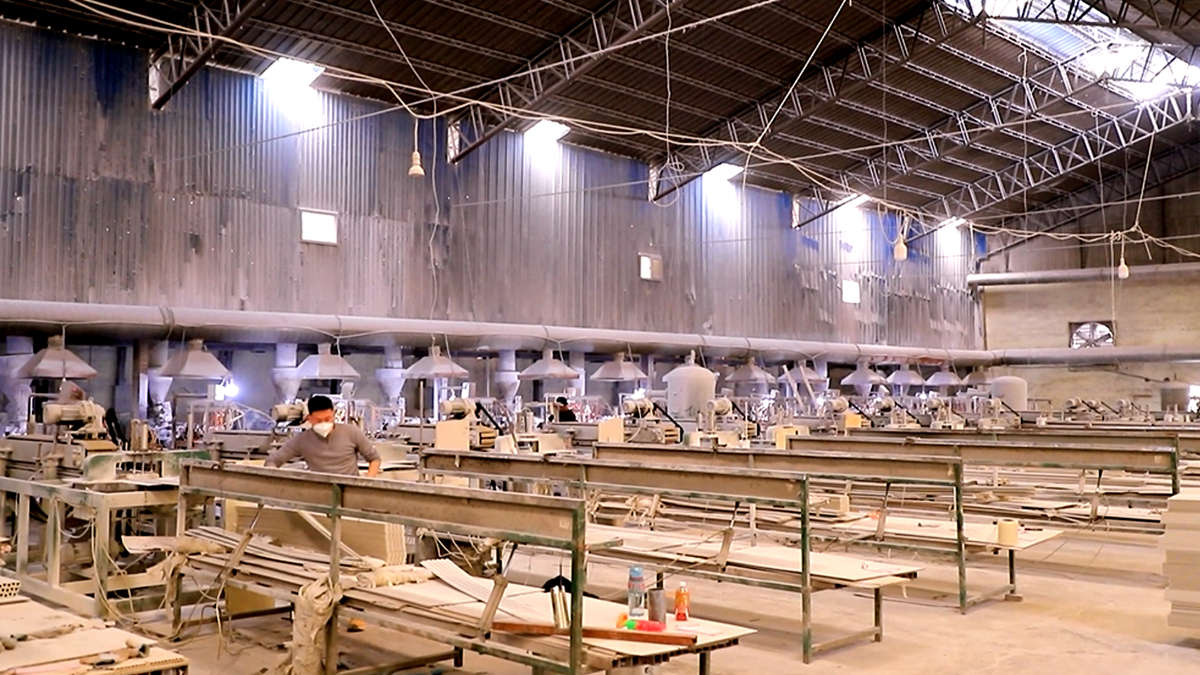 3. Surface Treatment
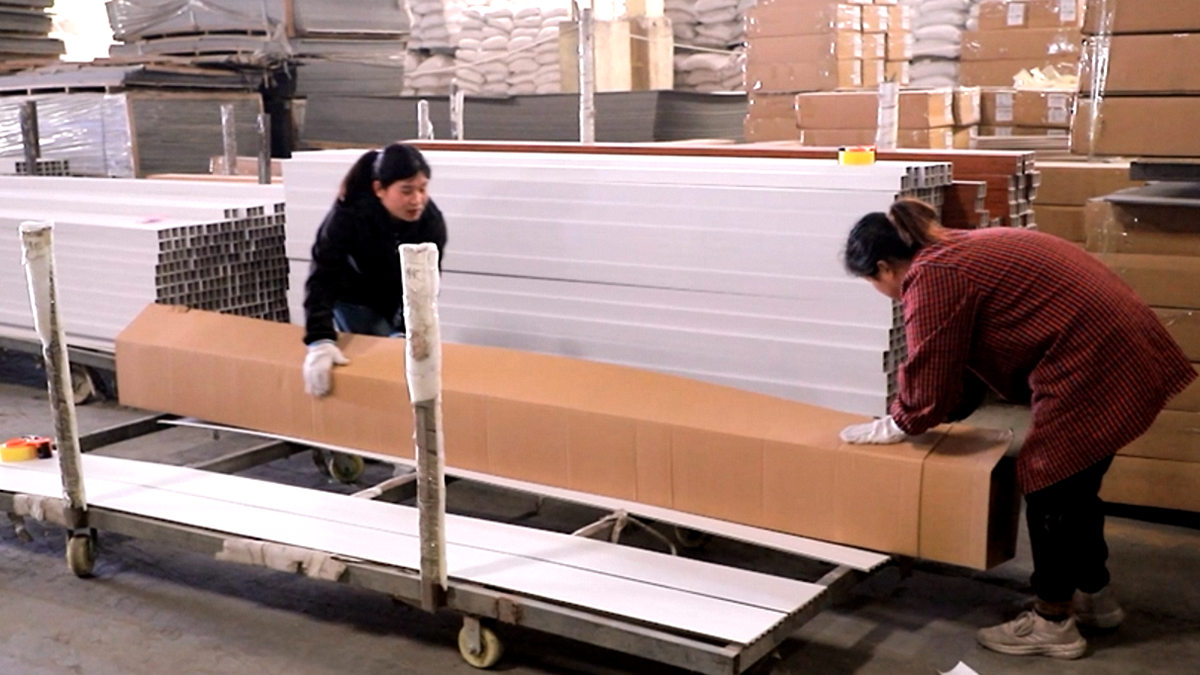 4. Quality Packing
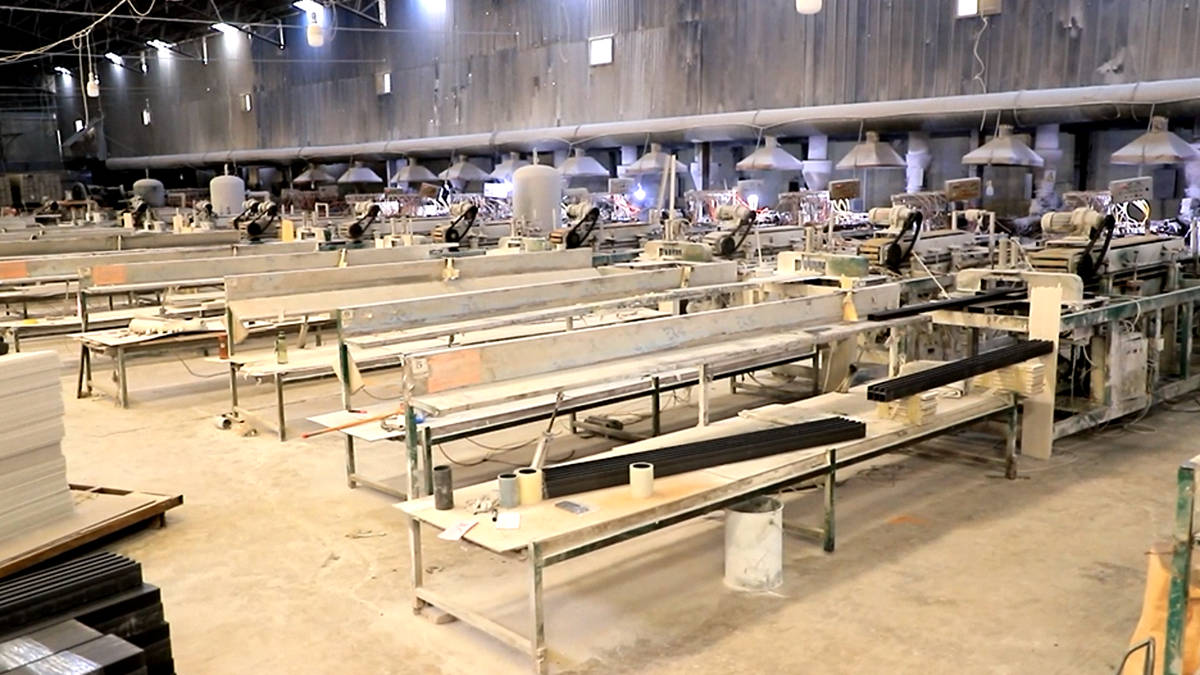 Extruding Line
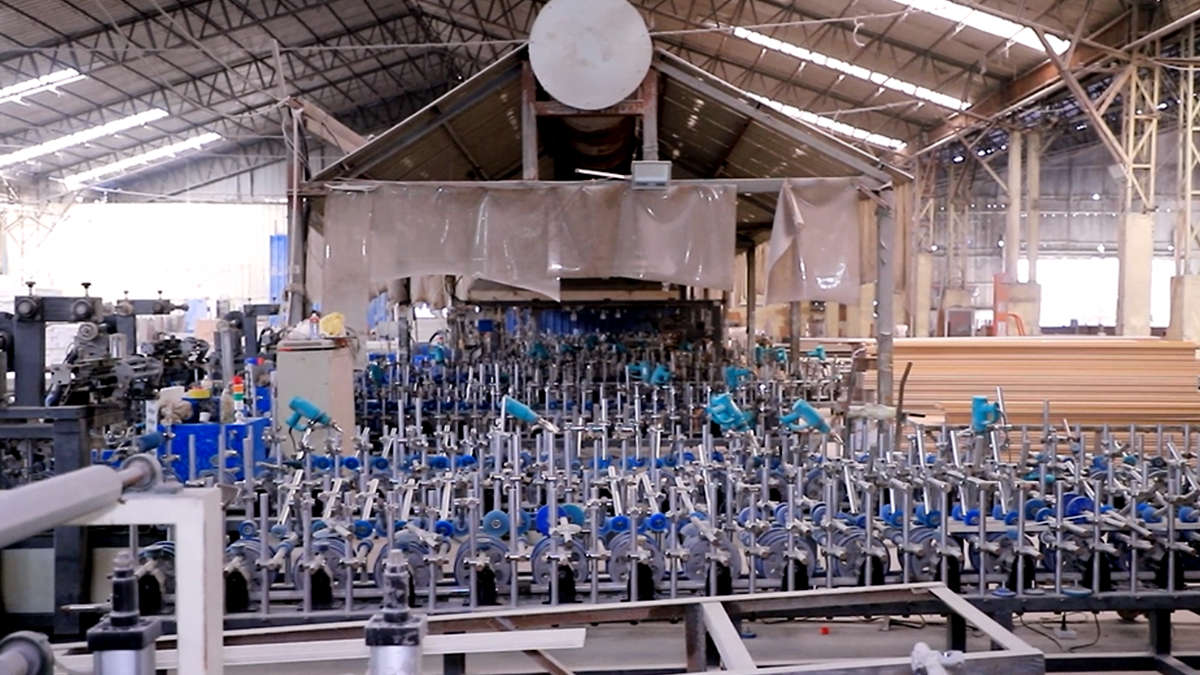 Laminating Machine
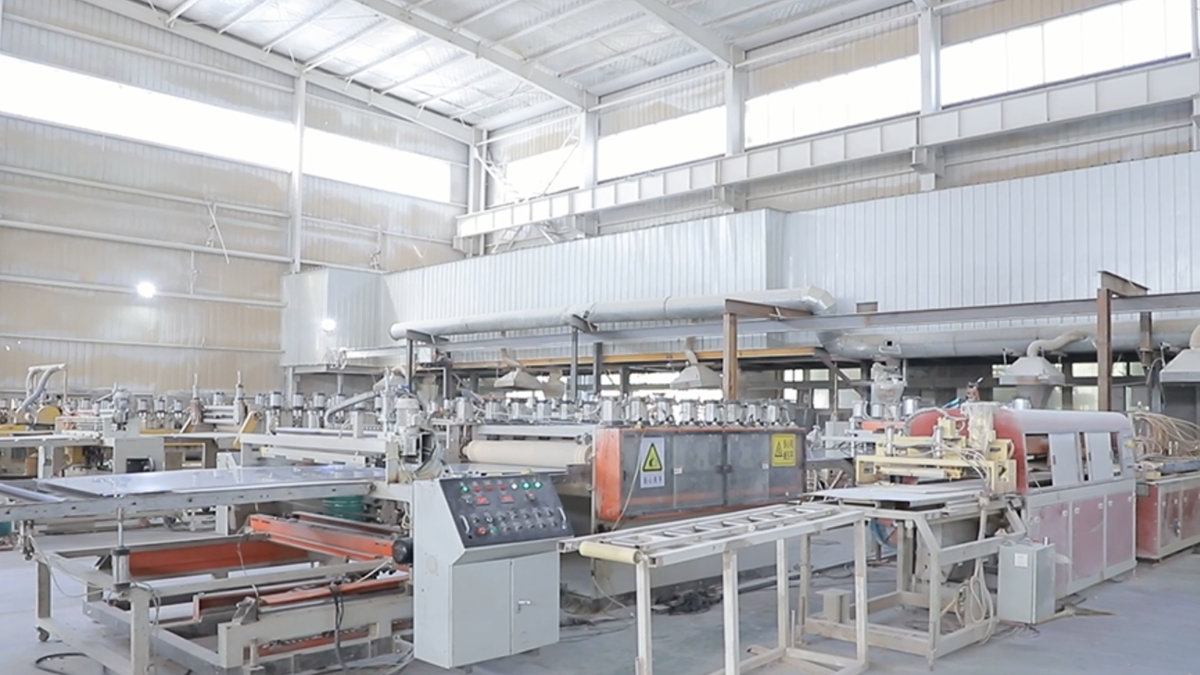 Panel Production
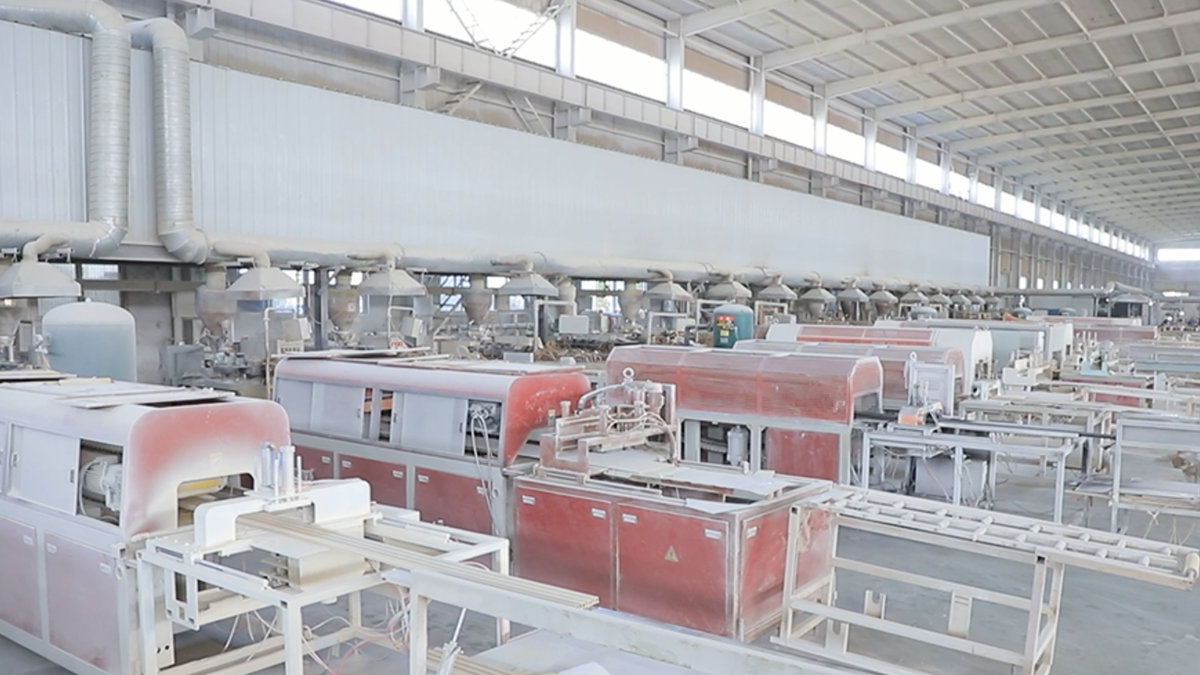 Automated QC
A: Hollow decking is lighter, making it easier to transport and install, especially in remote regions. It also offers superior heat dissipation due to the air pockets, though solid decking is typically preferred for extreme heavy-duty commercial loads.
A: Our WPC is engineered with a high-density polyethylene (HDPE) blend that handles temperatures from -40°C to +60°C. The linear expansion coefficient is controlled through precision formula blending to prevent buckling.
A: Yes, our products consist of approximately 60% recycled wood fiber and 30% recycled plastics. It is 100% recyclable at the end of its life cycle, supporting global sustainability initiatives.
A: With an annual turnover of $35M+, we maintain high-capacity production lines. Typical lead times for container-sized orders are 15-21 days from the Foshan factory.
As we look toward the 2030 sustainability goals, Foshan Haven Decoration Co., Ltd. remains dedicated to innovation. Whether you are developing a commercial property in the heart of Pyongyang or a residential project in Sinuiju, our technical team provides the expertise needed to navigate material selection, logistics, and installation. Our commitment to Information Gain ensures that our clients are always equipped with the latest advancements in WPC technology, from anti-skid surface textures to fire-retardant chemical compositions.
 Haven Decoration