📋 Basic Information
| Model NO. |
ZY-ED-T-001A |
Thickness |
22 mm |
| Style |
Modern |
Environmental Standard |
E0 |
| Function |
Waterproof, Anti-Static, Slip-Resistant |
Material |
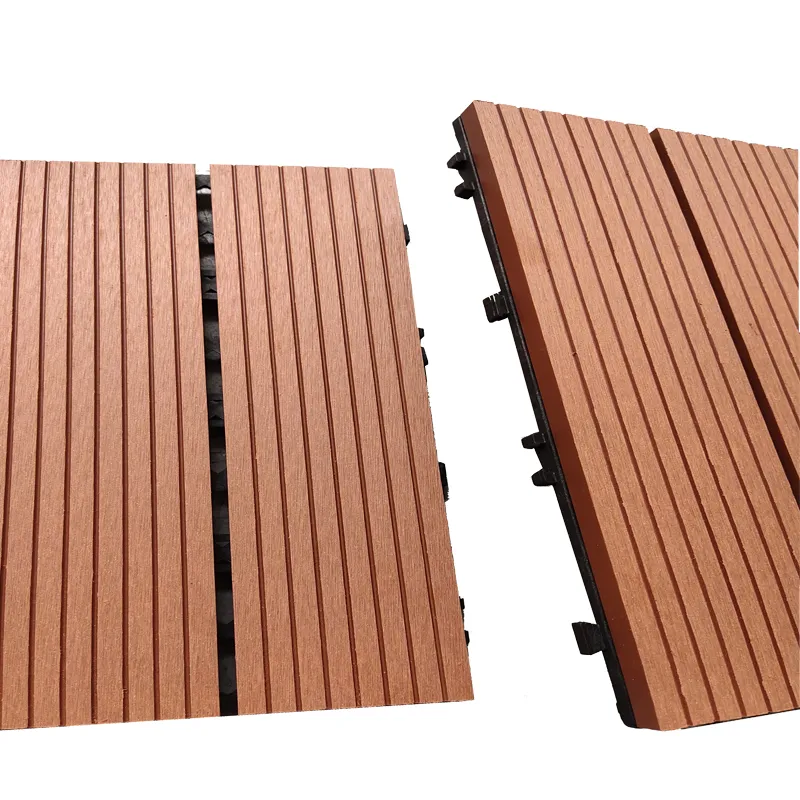
WPC (Wood Plastic Composite) |
| Profile |
Hollow |
Surface Treatment |
Smooth |
| Water Absorption |
Less Than 2% |
Density |
1.2 Kgs~ 1.35 Kgs/ Cm3 |
| Slip Resistance |
Above 36 |
Specification |
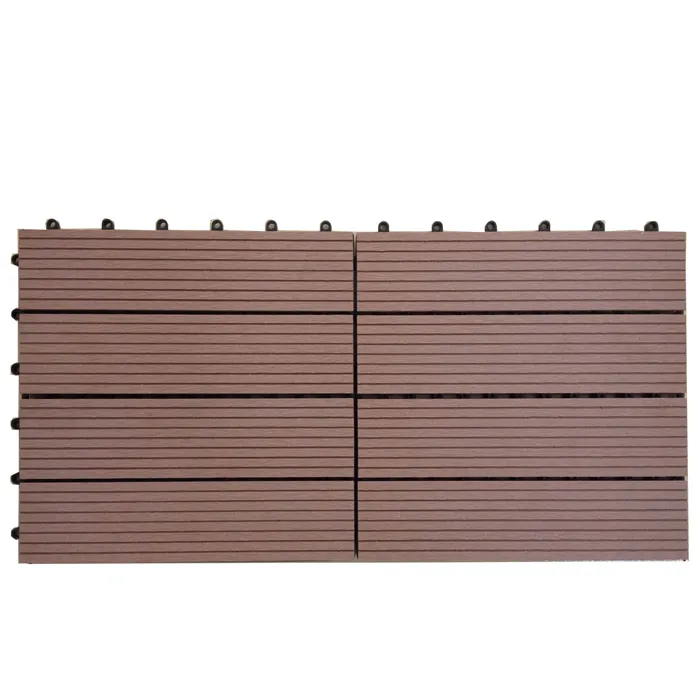
300x300 mm |
🌟 Product Overview
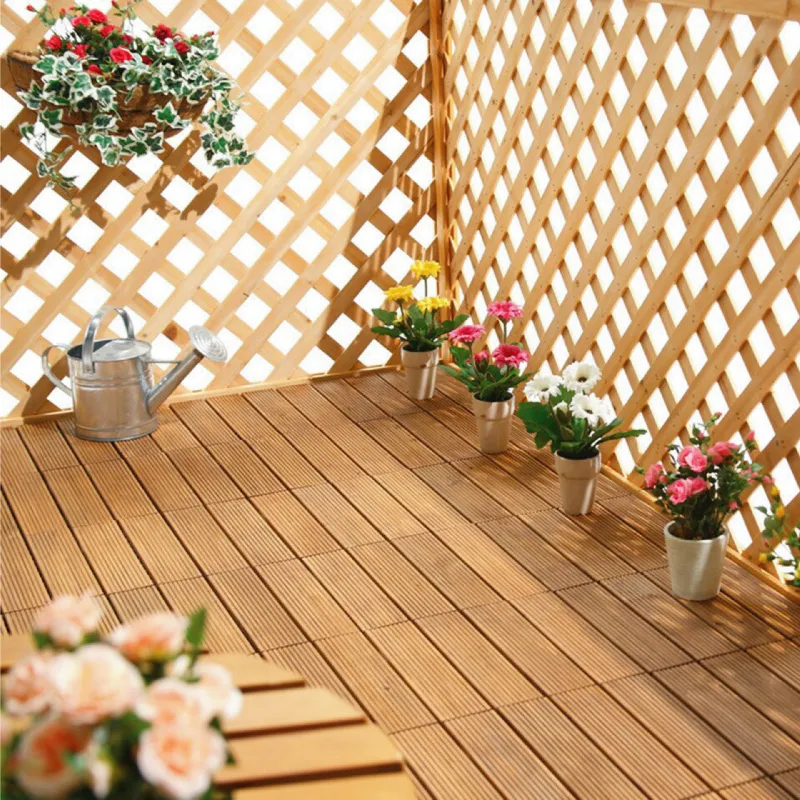
Wood plastic composite profiles are ideal for various traditional applications. Utilizing advanced composite technology, these products offer exceptional attributes for outdoor landscaping and residential use.
Dimensional StabilityNatural feel and long-lasting durability.
Weather ResistanceResistant to rot, crack, and moisture.
Eco-FriendlyRecyclable and contains no toxic chemicals.
High PerformanceLow flame spread and high impact resistance.
🛠️ DIY Interlocking Solution
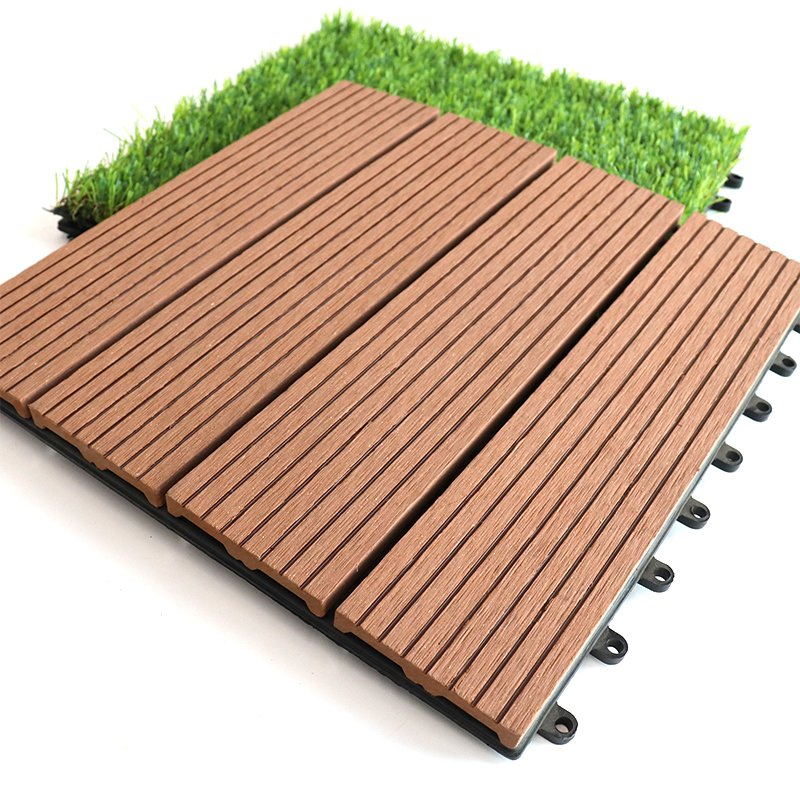
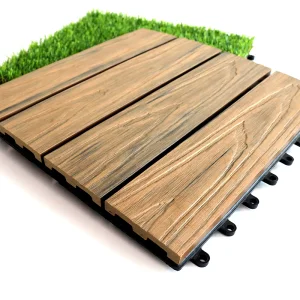
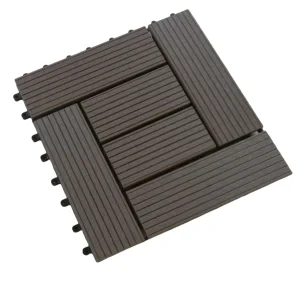
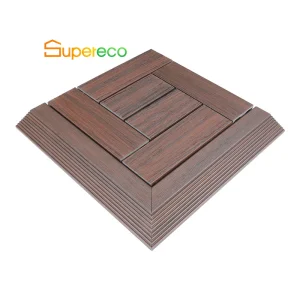
Composite Deck Tile
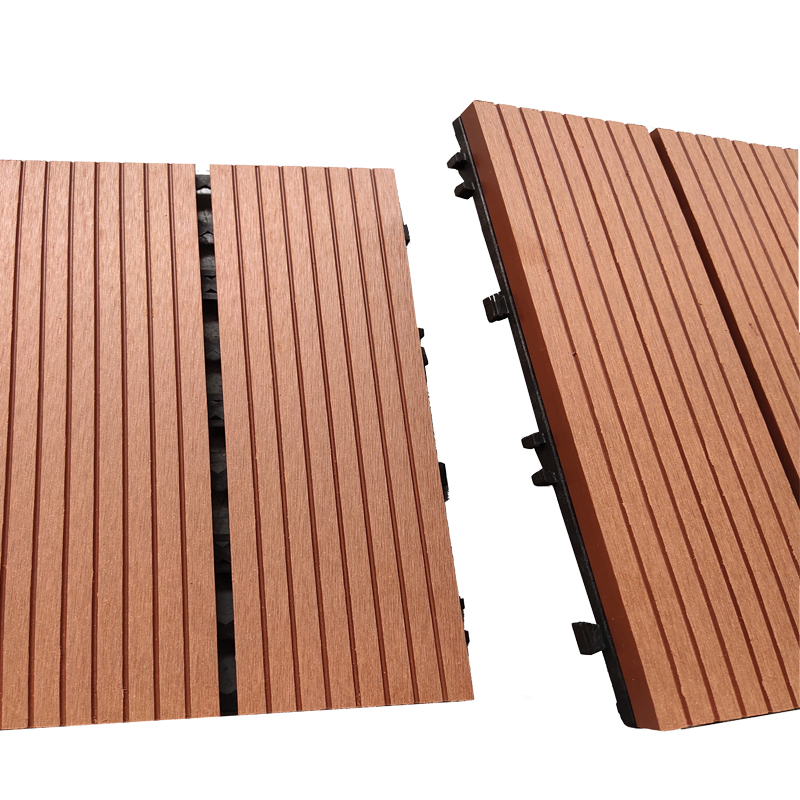
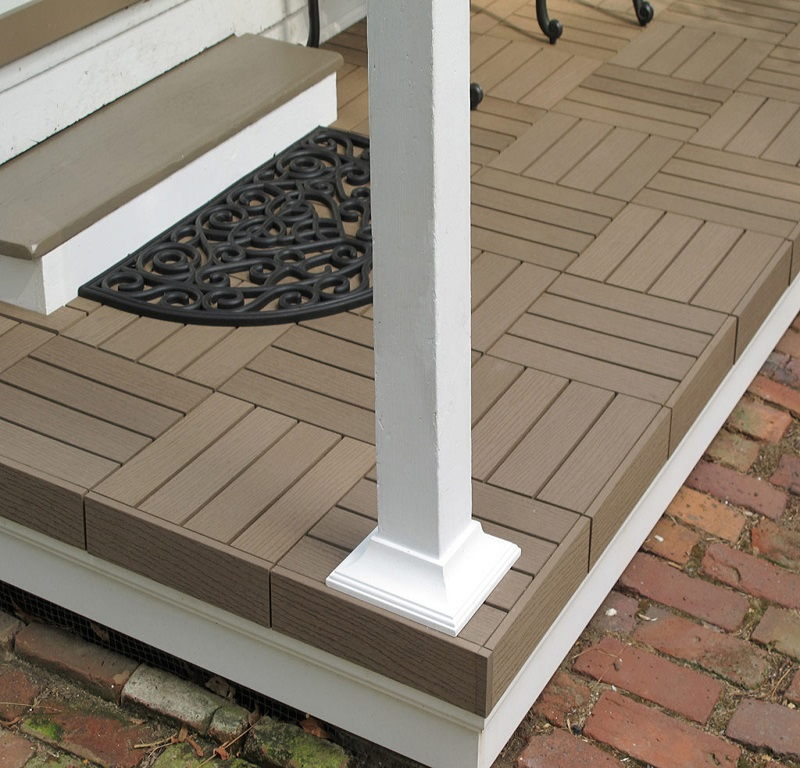
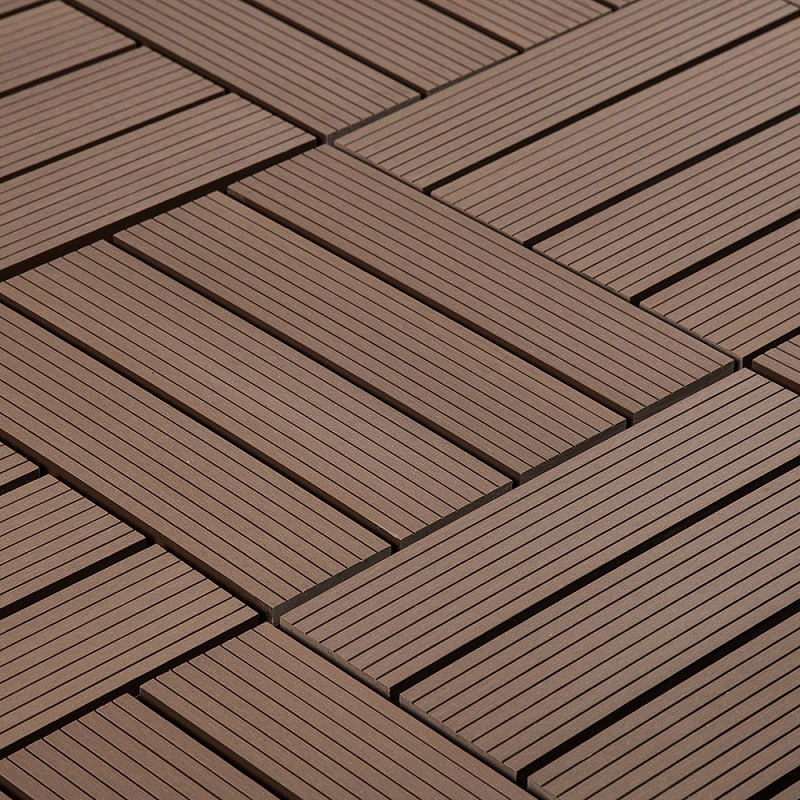
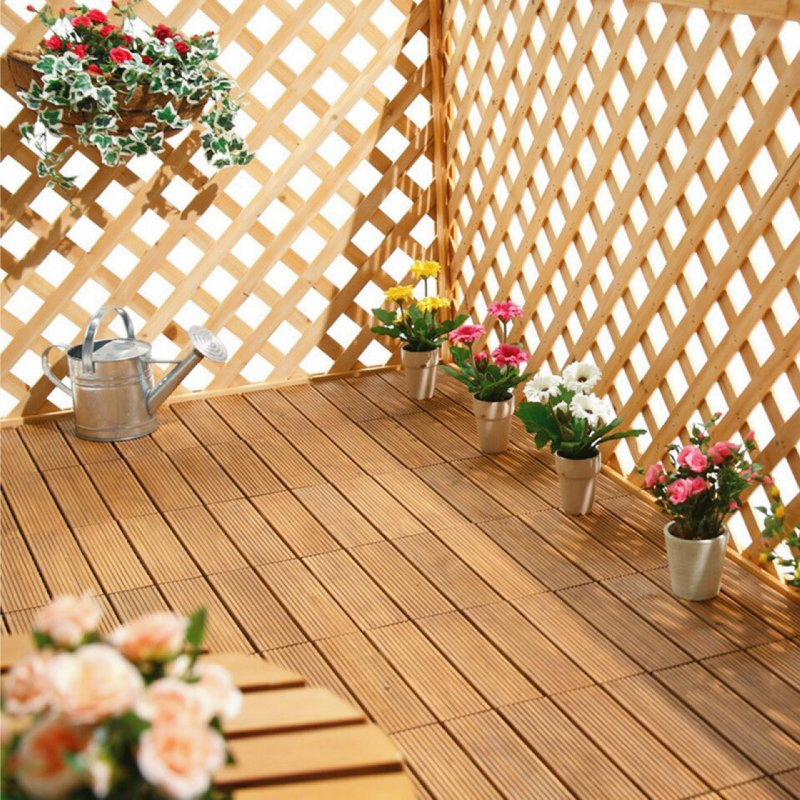
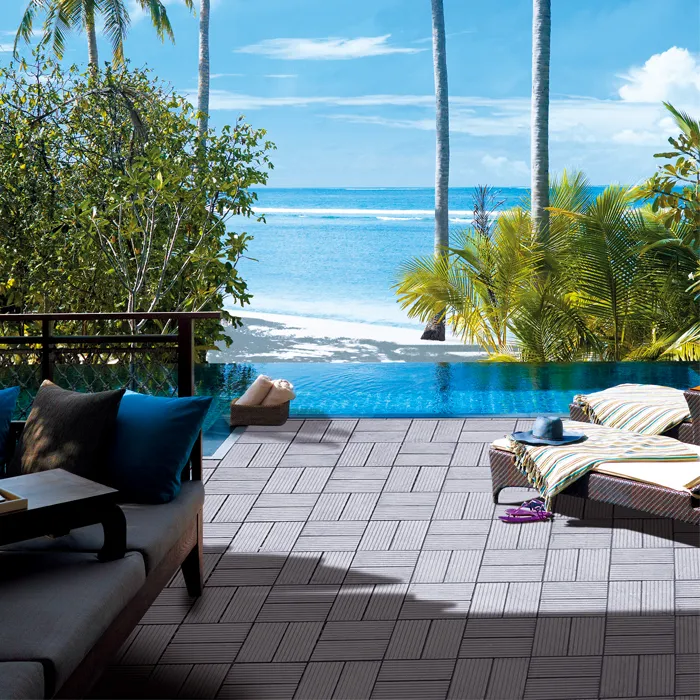
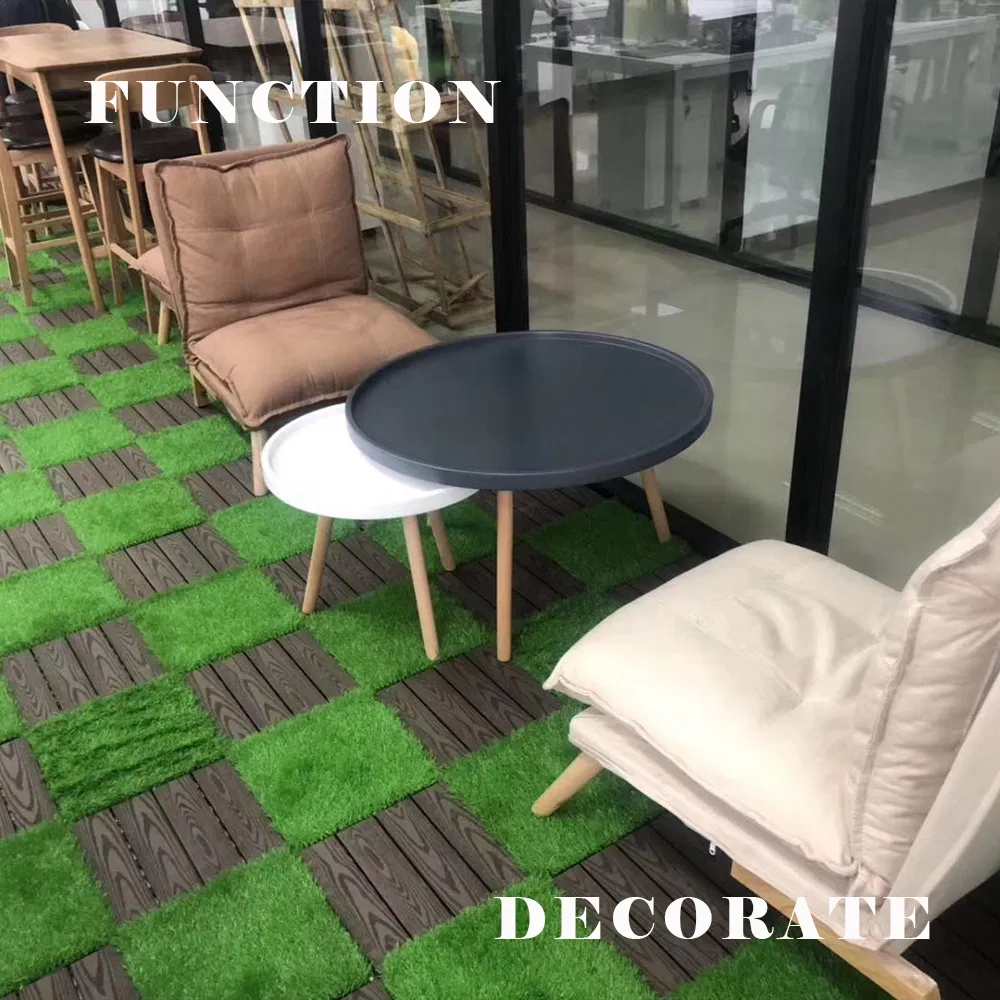
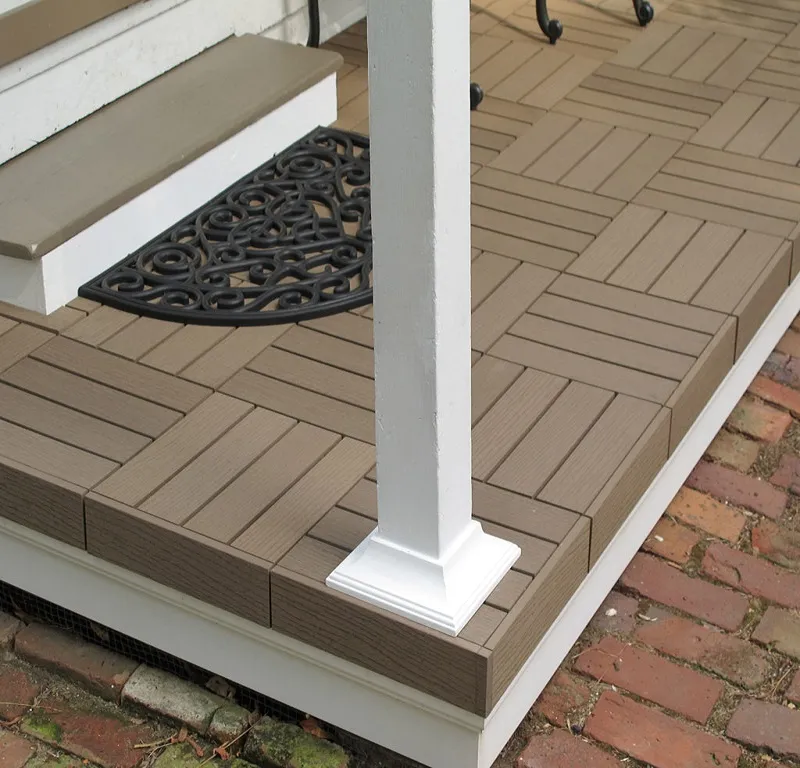
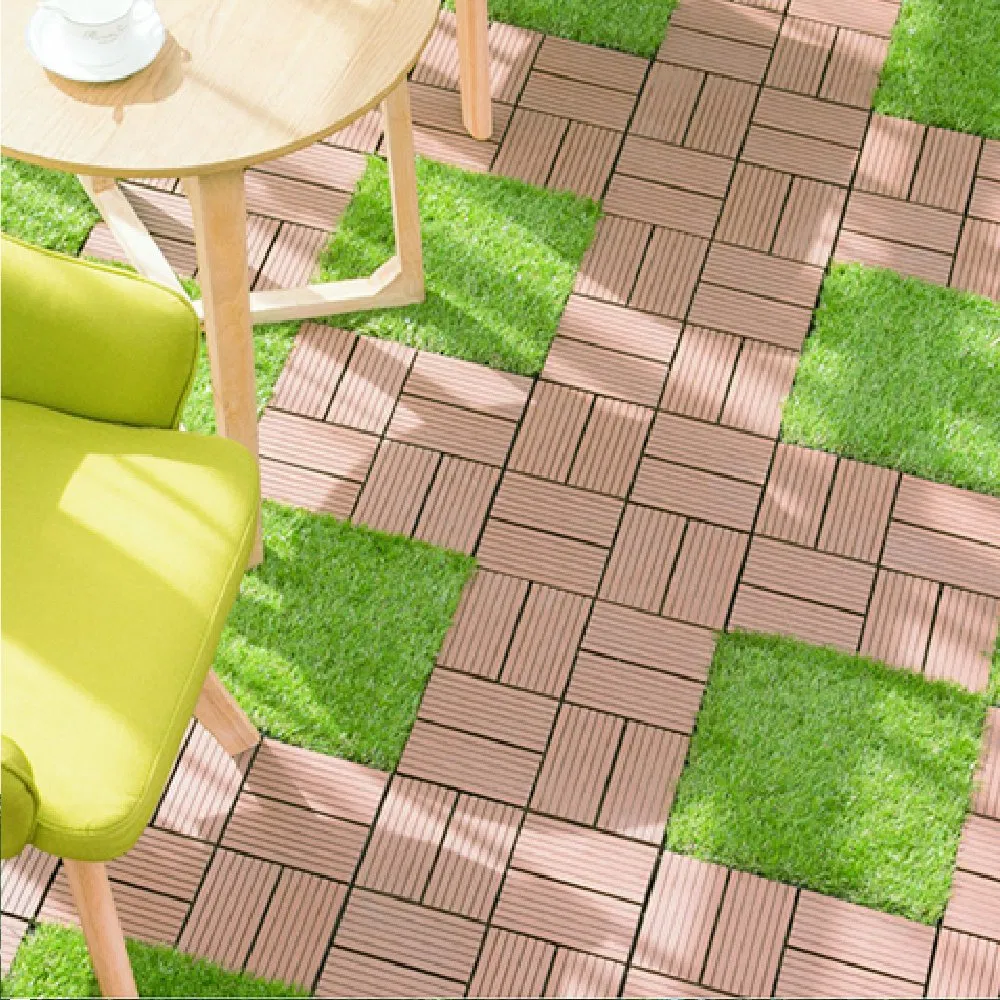
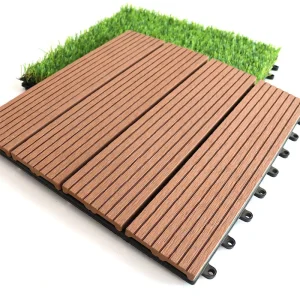
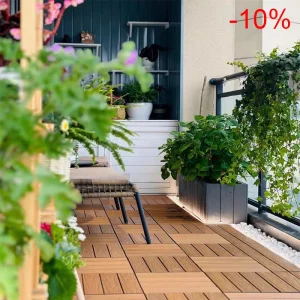
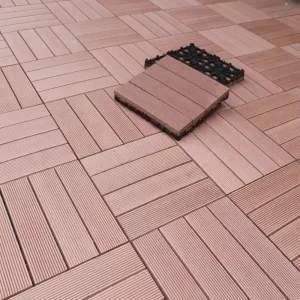
A complete DIY solution for concrete balconies, terraces, or patios. Transform any space into a rich hardwood-style area with just a few clicks.
- Highly stain resistant & low maintenance
- Size: 300 x 300 mm
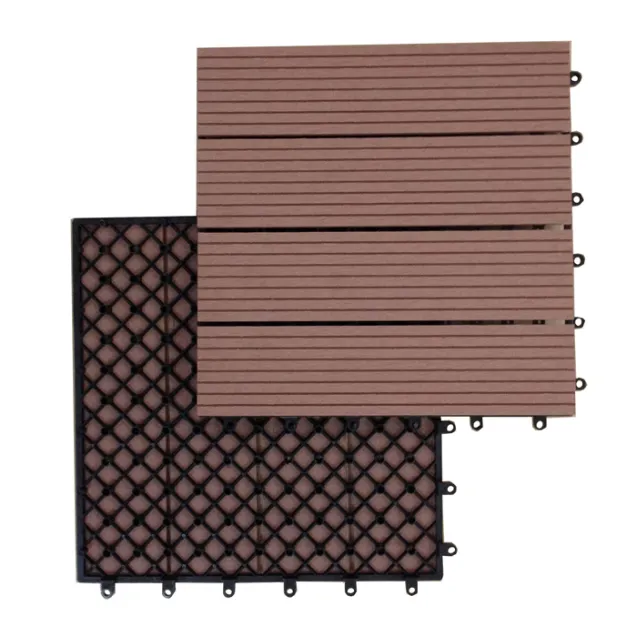
- Base: Interlocking TPO polymer matrix
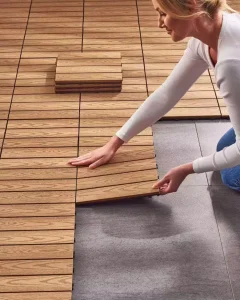
- No tools required for installation
🔬 Material Composition
Our eco-friendly outdoor tiles are composed of: 30% HDPE, 60% wood fiber, and 10% chemical additives (Anti-UV, Anti-oxidation, stabilizers, and colorants). Extruded under high pressure and temperature for maximum durability.
📐 Installation Guide
Note: Ensure the ground is level or flat before starting.
- Lay the first piece of the deck tile down on the ground.
- Interlock the second piece into the first piece.
- Follow step 2 for the remaining pieces to complete the project.
❓ Frequently Asked Questions
1. What is WPC?
WPC stands for Wood Plastic Composite. It is a combination of raw materials consisting mostly of 30% recycled plastic (HDPE), 60% wood powder, and 10% additives such as anti-UV agents, lubricants, and light stabilizers.
2. What is the process for making composite tiles?
The process involves mixing raw materials into pellets, extruding them through molds into customized profiles, applying surface treatments like sanding or embossing, and finally fixing the panels to interlocking grids with screws.
3. What are the benefits of using composite decking tiles?
Composite tiles are waterproof, fire-retardant, UV-resistant, anti-slip, and maintenance-free. They are also eco-friendly as they use recycled materials and are very easy and cost-efficient to install.
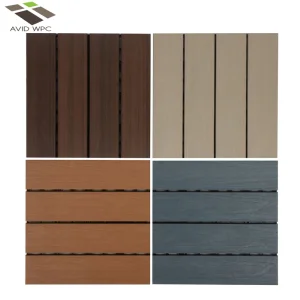
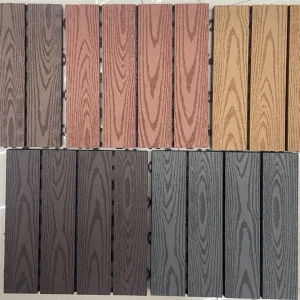
4. What colors are available for the tiles?
A wide variety of colors are available including natural wood tones, greys, and blacks. Custom colors can also be produced based on specific client requirements.
5. Can the tiles be used in extreme weather conditions?
Yes, the tiles are designed to withstand a working environment of -40 to 60 degrees Celsius, making them suitable for both extremely cold and hot climates.
6. Is maintenance required for these tiles?
Unlike traditional wood, composite tiles do not require painting, staining, or sealing. They are designed for low maintenance and long-term durability against rot and mold.
 Haven Decoration